

Views: 0 Author: Site Editor Publish Time: 2026-03-17 Origin: Site


Choosing the right carpet backing can make or break your flooring project. Traditional underlays often complicate installation and comfort. Integrated carpet tiles offer a modern solution by combining carpet and underlay in one.In this post, you’ll learn why integrated carpet backing improves durability, comfort, and installation efficiency. We’ll explain how it differs from traditional options and why it’s popular in homes and offices.
Integrated carpet tiles combine the carpet and underlay into one product, offering several advantages over traditional carpet backing and separate underlay. Understanding these benefits can help you make an informed decision for your next flooring project.
One of the biggest advantages of integrated carpet underlay is the simplified installation process. Since the underlay is built into the carpet tile, installers only need to affix the carpet directly to the subfloor. This eliminates the need to lay and secure a separate underlay layer, reducing installation time and labor costs. For commercial projects with tight schedules, this efficiency is a major plus.
While the upfront cost of integrated carpet tiles may be higher than purchasing carpet and underlay separately, the overall project cost often decreases. Savings come from fewer materials, less labor, and minimized installation time. Additionally, integrated carpet backing reduces waste and the need for additional adhesives or fasteners, making it a more economical choice in the long run.
Integrated carpet underlay is designed to work seamlessly with the carpet’s face fiber, providing enhanced dimensional stability. This means the carpet maintains its shape and resists wrinkling or buckling over time. A well-engineered integrated backing also protects against wear and tear, extending the carpet’s lifespan, especially in high-traffic commercial areas.
Integrated underlay adds cushioning, improving underfoot comfort compared to thin or hard carpet backings. It also enhances acoustic performance by absorbing sound, reducing noise transmission between floors or rooms. This makes integrated carpet tiles ideal for office environments, hotels, and residential spaces where comfort and noise reduction are priorities.
Many integrated carpet tiles use eco-friendly backing materials made from recycled or recyclable content. By combining carpet and underlay, manufacturers reduce material usage and waste. Some integrated solutions are also PVC-free, contributing to healthier indoor air quality and easier end-of-life recycling, aligning with sustainable building goals.
Some buyers worry that integrated underlay might compromise carpet quality or cushioning. This skepticism is understandable, but high-quality integrated carpet tiles meet rigorous performance standards. The key is selecting products from reputable manufacturers who provide transparent data on durability, comfort, and acoustic properties.
To ensure you get the best carpet backing, choose integrated carpet tiles from trusted brands with proven track records. Look for certifications or test results verifying wear resistance, dimensional stability, and acoustic benefits. Consulting with manufacturers about your specific project needs helps guarantee the integrated underlay will perform as expected.
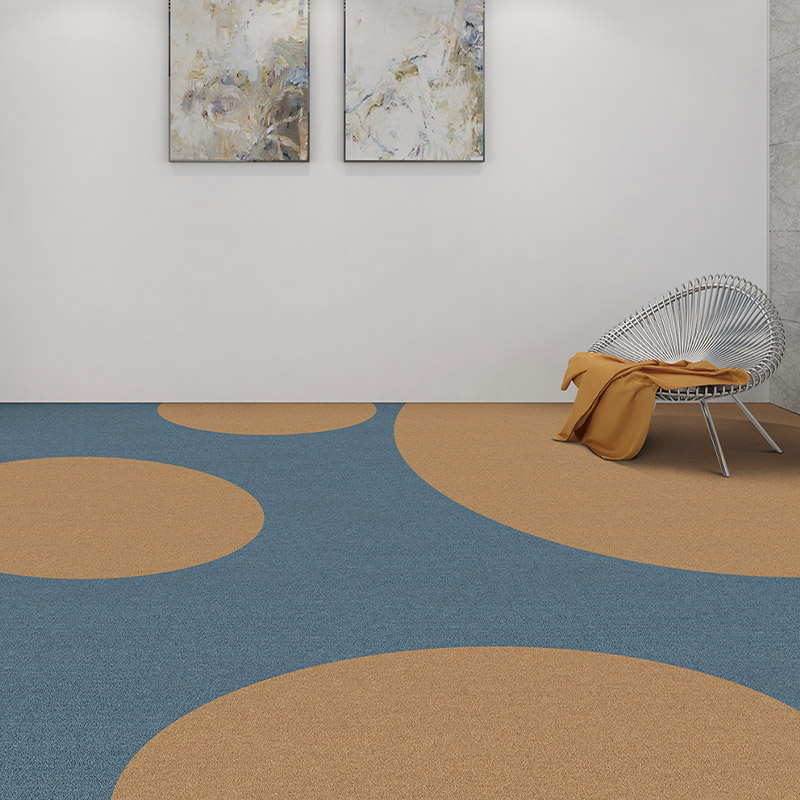
When selecting the best carpet backing, understanding the difference between traditional carpet backings and integrated carpet underlay solutions is essential. Each type offers unique features that influence installation, durability, comfort, and suitability for various environments.
Traditional carpet backing materials have been used for decades and include:
Jute: A natural fiber backing commonly found in high-quality, wool carpets. Jute is strong and durable but can be heavy and less moisture resistant. It offers good dimensional stability but requires careful maintenance to prevent mold in damp environments.
Felt: Made from compressed fibers, felt backings provide excellent cushioning and sound insulation. They are lightweight and often used in residential carpets to enhance comfort and warmth.
Rubber: Synthetic rubber backings offer moisture resistance and durability. They are commonly found in budget-friendly carpets and provide a firm base but less cushioning than felt.
Each of these traditional backing types serves a purpose depending on carpet quality and intended use. However, they usually require a separate carpet underlay or padding to improve comfort and insulation.
Integrated carpet backing combines the carpet and underlay into a single product. Unlike traditional carpets that need a separate underlay installation, integrated carpet tiles come pre-backed with cushioning and sound-absorbing layers built in.
| Feature | Traditional Backing | Integrated Carpet Backing |
| Installation | Carpet + separate underlay | Single-step installation |
| Comfort & Cushioning | Depends on separate underlay | Built-in cushioning for consistent feel |
| Acoustic Performance | Varies with underlay choice | Designed for noise reduction |
| Moisture Resistance | Rubber offers resistance; jute less so | Often uses moisture-resistant materials |
| Environmental Impact | Varies; natural or synthetic | Increasingly eco-friendly and recyclable |
| Modularity | Limited | Modular, easy replacement with tiles |
Integrated carpet tiles are designed with a backing that includes cushioning and stabilizing layers. This backing ensures the tile remains flat, resists curling, and provides comfort underfoot. The modular nature allows for:
Easy installation: Tiles can be laid directly on the subfloor without separate underlay.
Simple replacement: Damaged tiles can be swapped out without disturbing the entire floor.
Flexible design: Patterns and colors can be mixed for creative layouts.
This modularity is a key advantage in commercial settings where downtime must be minimized.
Residential: Traditional backings with separate underlay often provide the plush comfort and insulation homeowners desire. Felt backings with a quality underlay offer warmth and sound absorption suitable for bedrooms and living rooms.
Commercial: Integrated carpet tiles excel due to their durability, ease of maintenance, and quick installation. Backings are engineered to handle heavy foot traffic and maintain dimensional stability. Acoustic cushioning helps reduce noise in busy offices and public spaces.
In summary, while traditional carpet backing materials remain relevant, integrated carpet tiles offer a modern, efficient solution combining backing and underlay benefits. Choosing between them depends on project requirements, budget, and performance priorities.
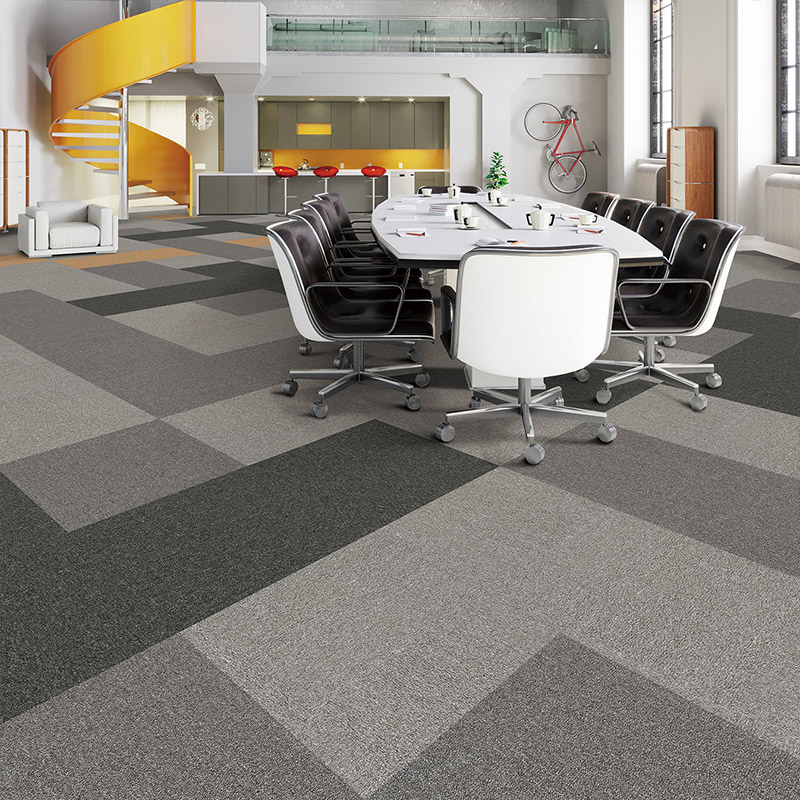
Integrated carpet tiles bring significant advantages in installation and upkeep, making them a smart choice for both commercial and residential projects. By combining the carpet face and underlay into one product, they simplify the entire flooring process.
One of the main benefits of integrated carpet underlay is the streamlined installation. Since the cushioning and backing are built into the tile, installers can lay the carpet directly onto the subfloor without the extra step of placing a separate carpet underlay. This reduces the complexity of carpet underlay installation, minimizes errors, and ensures a uniform feel across the floor. The single-layer approach also means fewer materials to handle, which speeds up the process and reduces disruption on-site.
Because integrated carpet tiles eliminate the need for a separate underlay, labor time is significantly reduced. In commercial environments, where downtime can be costly, this leads to faster project completion and less impact on daily operations. Residential installations also benefit from quicker turnaround times and fewer installation steps, making it easier for homeowners to schedule and manage flooring projects. The reduced labor requirements can translate into cost savings without compromising quality.
Integrated carpet tiles are modular, allowing for easy replacement of individual tiles if damaged or stained. This modularity is a key advantage over broadloom carpets that require full replacement or patching. With integrated backing, replacement tiles fit seamlessly without needing to adjust or reinstall underlay layers. This feature is especially valuable in high-traffic commercial spaces or areas prone to spills, as it extends the overall lifespan of the floor and lowers maintenance costs.
Maintaining integrated carpet tiles is straightforward. Regular vacuuming keeps dirt and debris from embedding in the fibers and backing. For spots or stains, prompt cleaning prevents damage to the integrated underlay layer. Avoid excessive moisture during cleaning to protect the backing’s integrity. Periodic inspections help identify any loose or damaged tiles early, allowing for quick replacement. Using manufacturer-recommended cleaning agents ensures the backing and carpet fibers remain in good condition.
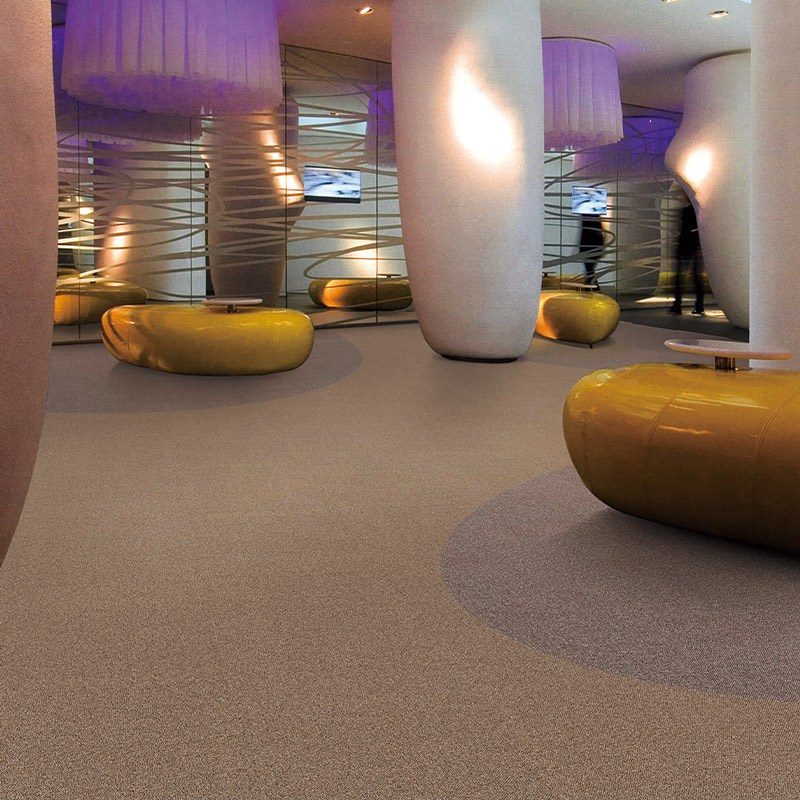
When evaluating integrated carpet tiles, understanding their performance characteristics is crucial. The integrated carpet underlay plays a vital role in ensuring the carpet’s durability, comfort, and suitability for various environments.
Integrated carpet backing is engineered to provide excellent dimensional stability. This means the carpet tiles maintain their shape and size over time, resisting curling, shrinking, or buckling. Such stability is essential, especially in commercial spaces where high foot traffic can quickly degrade flooring. The integrated underlay supports the carpet fibers and backing material, distributing pressure evenly and reducing wear. This durability extends the carpet’s lifespan, making integrated carpet tiles a reliable choice for busy offices, retail stores, and public areas.
One of the significant advantages of integrated carpet underlay is its ability to enhance acoustic performance. The built-in cushioning absorbs sound, reducing noise transmission between floors and rooms. This feature is particularly valuable in multi-story buildings and open-plan offices, where noise control improves occupant comfort and productivity. Additionally, the integrated underlay offers thermal insulation, helping maintain consistent indoor temperatures. This insulation can contribute to energy savings by reducing heat loss through floors, making integrated carpet tiles an eco-friendly option.
Integrated carpet tiles are designed to withstand the demands of heavy commercial use. The backing materials and underlay types used are selected for their resilience and ability to handle constant foot traffic. Whether in airports, hotels, or corporate offices, these tiles maintain their appearance and performance over time. The combination of robust backing and cushioning reduces the risk of premature wear, protecting your investment. Moreover, the modular nature of carpet tiles allows for quick replacement of worn sections, minimizing downtime in busy environments.
Modern buildings often incorporate underfloor heating, which requires compatible flooring solutions. Integrated carpet underlay must have appropriate thermal resistance to ensure efficient heat transfer. Many integrated carpet tiles are designed with low thermal resistance backings, allowing heat to pass through effectively without compromising comfort. When selecting carpet tiles for spaces with underfloor heating, it’s important to verify the combined R-value (thermal resistance) of the carpet and underlay. Ideally, this should remain below recommended thresholds (such as 0.25 or 2.5 TOG) to avoid heat retention issues. Choosing integrated carpet tiles compatible with underfloor heating ensures warmth and comfort without sacrificing energy efficiency.
Selecting the perfect integrated carpet tiles involves more than just picking a color or pattern. The quality of the integrated carpet underlay and backing materials plays a crucial role in the carpet’s performance, comfort, and longevity. Here’s how to make the best choice for your project.
Not all integrated carpet tiles are created equal. The backing materials can range from felt-based to polymer composites, each offering different benefits. Felt backings typically provide superior cushioning and sound absorption, making them ideal for spaces where comfort and acoustics matter. Polymer or bitumen backings offer excellent dimensional stability and moisture resistance, perfect for heavy commercial use.When evaluating options, consider:
Durability: Look for backing materials that resist wear and maintain shape.
Cushioning: Ensure the integrated underlay provides adequate comfort.
Moisture Resistance: Important for areas prone to spills or humidity.
Environmental Credentials: Some backings use recycled or recyclable materials.
Choosing a reputable manufacturer who discloses technical specifications helps ensure you select high-quality integrated carpet tiles.
Carpet classification indicates the intended use and durability level. Matching the carpet’s class with the backing type is essential:
| Carpet Class | Typical Use | Recommended Backing Type |
| 21–23 | Light to heavy residential | Felt or cushioned backing |
| 31–33 | Light to heavy commercial | Bitumen or polymer backing |
| 34 | Very heavy commercial | Reinforced, rigid backing |
For example, a Class 33 carpet tile designed for busy offices should have a backing that offers dimensional stability and wear resistance. Using a soft felt backing here might reduce durability. Conversely, residential carpet tiles benefit from cushioned underlay for comfort.
Sustainability is becoming a priority in flooring choices. Many integrated carpet tiles now feature eco-friendly backings made from recycled content or designed for recyclability. PVC-free and bitumen-free options reduce environmental impact and improve indoor air quality.When sustainability matters, look for:
Certifications like Cradle to Cradle or LEED compliance.
Backings made from recycled polyester or natural fibers.
Manufacturer take-back or recycling programs.
Choosing eco-conscious integrated carpet tiles supports green building goals without sacrificing performance.
Before finalizing your purchase, clarify these points with your supplier:
What backing materials are used in the integrated carpet tiles?
Can you provide technical data on durability, thermal resistance, and acoustic properties?
Is the product compatible with underfloor heating systems?
What warranty covers the integrated underlay and backing?
Are there eco-friendly or recycled content options available?
How easy is the installation and replacement of individual tiles?
These questions ensure you understand the product’s capabilities and fit for your project.
While integrated carpet tiles with built-in underlay offer many advantages, it’s important to be aware of some potential drawbacks and how to address them. Understanding these factors helps you make a confident, well-informed choice for your flooring project.
Not all integrated carpet underlay solutions deliver the same performance. Some low-quality products may use thinner or less resilient backing materials that compromise durability and comfort. These can lead to premature wear, reduced cushioning, or tiles that curl or buckle over time. To avoid this, always:
Request detailed technical specifications from the manufacturer.
Check for certifications or test results related to wear resistance and dimensional stability.
Read reviews or case studies from similar projects.
Choosing products from reputable manufacturers known for quality control reduces the risk of poor performance.
Integrated carpet underlay isn’t always the best choice for every situation. For example:
Hardwood floors: The best carpet underlay for hardwood floors often includes a separate, thicker padding to protect the wood from impact and moisture.
Custom cushioning needs: If your project requires specific cushioning levels or acoustic insulation, a separate underlay may provide more flexibility.
Complex subfloor conditions: Uneven or damaged subfloors might benefit from a dedicated underlay that can help level the surface.
In these cases, using separate carpet padding and underlay allows for tailored solutions that integrated backing may not offer.
Some integrated carpet tiles may have thinner backing layers, which can reduce underfoot comfort compared to traditional carpet underlay. To mitigate this:
Select integrated tiles designed with thicker or multi-layered backing.
Consider combining integrated carpet tiles with a thin, compatible underlay if extra cushioning is necessary.
Verify the product’s acoustic and comfort performance data before purchase.
This ensures the integrated carpet underlay advantages don’t come at the expense of comfort.
Warranty coverage and manufacturer support are critical when choosing integrated carpet tiles. Some products may offer limited warranties on the backing or underlay component, which can be a concern if issues arise. To protect your investment:
Confirm the warranty terms explicitly cover the integrated underlay.
Understand the conditions for warranty claims.
Choose suppliers who provide clear installation guidelines and after-sales support.
Good manufacturer backing ensures peace of mind and long-term satisfaction.
Integrated carpet backing offers simplified installation, enhanced durability, and improved comfort. It reduces labor and material costs while supporting sustainable building goals. Consulting experts and manufacturers ensures the right product choice for your needs. This solution balances performance, cost-effectiveness, and environmental benefits, making it ideal for many projects. Hubei Linkun Hongyuan Carpet Corp. provides high-quality integrated carpet tiles that deliver lasting value with reliable backing technology and eco-friendly features. Their products help create comfortable, durable, and sustainable flooring solutions.
A: Integrated carpet tiles combine the carpet and underlay into one product, simplifying installation by eliminating separate underlay layers. Unlike traditional carpet backing materials like jute or felt, integrated carpet underlay offers built-in cushioning and acoustic benefits, making them ideal for efficient, modular flooring solutions.
A: Integrated carpet underlay enhances installation efficiency, reduces labor and material costs, improves comfort and acoustic performance, and extends carpet durability. It also offers environmental benefits by reducing waste and often uses eco-friendly backing materials.
A: Yes, integrated carpet tiles are designed for durability and dimensional stability, making them ideal for heavy commercial use. Their backing materials resist wear and maintain shape under constant foot traffic, while their modular design allows easy tile replacement.
A: While integrated carpet underlay provides cushioning, the best carpet underlay for hardwood floors sometimes requires separate padding to protect the wood from impact and moisture. However, some integrated carpet tiles with appropriate backing can be compatible, so verify product specifications.
A: The built-in cushioning in integrated carpet underlay absorbs sound, reducing noise transmission, and provides thermal insulation that helps maintain indoor temperatures. This enhances comfort and energy efficiency in both residential and commercial spaces.


