

Views: 0 Author: Site Editor Publish Time: 2026-02-12 Origin: Site


Installing carpet is one of the most impactful ways to improve the aesthetics and comfort of your space. However, even the most experienced installers can fall victim to mistakes during the process. Whether you're a first-time DIYer or working with a professional team, understanding the common carpet installation mistakes is essential for ensuring a long-lasting, flawless finish. Carpet installation mistakes can lead to wrinkles, gaps, or premature wear, causing your investment to deteriorate much faster than expected. In this article, we will dive into the five most common carpet installation mistakes and provide expert advice on how to avoid them. By avoiding these pitfalls, you’ll be able to enjoy your LKHY Carpet products, including carpet tiles and wall-to-wall carpets, for years to come, ensuring a beautiful and durable flooring solution.
Accurate measurements and careful planning are the foundation of a successful carpet installation project. Inaccurate measurements or poor planning can result in wasted carpet, poorly fitted seams, and an overall unattractive installation. Measuring correctly and planning ahead saves both time and money, making sure you get the most out of your carpet.
Incorrect Room Measurements Lead to Waste or Shortages
One of the most common mistakes is inaccurate room measurements. Without properly measuring the room, you could either overestimate the amount of carpet needed, leading to waste, or underestimate it, leaving gaps or the need to buy extra material. Taking measurements correctly at multiple points in the room ensures a more accurate calculation of how much carpet you will need, which helps reduce unnecessary costs. This will prevent you from wasting time and money buying more carpet to make up for the shortage.
Failing to Account for Furniture/Obstacles
Another crucial error is failing to account for furniture or other obstacles when measuring and planning the carpet installation. If furniture isn’t removed from the room or taken into account while planning, it can lead to cuts that are either too large or too small for the space. Installers may find themselves making last-minute adjustments, which can lead to visible gaps, uneven seams, or carpet that doesn’t fit properly around edges. It’s important to either move all furniture out of the room or plan carefully for the size and shape of any obstacles before beginning the installation.
Table 1: Measurement Checklist Before Carpet Installation
Task | Reason | Outcome |
Measure room length & width | Ensure perfect fit | Avoid gaps & overlaps |
Identify furniture/obstacles | Avoid cutting errors | Less rework |
Note wall irregularities | Adjust fitting plans | Cleaner finish |
One of the most important steps in carpet installation is stretching. If the carpet isn’t stretched properly, it can result in wrinkles or ripples, which look unsightly and can cause damage over time. Stretching the carpet tightly across the room helps it settle evenly and eliminates any movement that could lead to buckling or premature wear.
Power Stretcher vs Knee Kicker in Carpet Installation
A power stretcher is typically the best tool for stretching carpet across large rooms. It uses a mechanical arm to stretch the carpet and secure it tightly against the walls. A knee kicker, which is a manual tool, is often used in smaller areas or along the edges of a room. While knee kickers may work in tight spots, they don’t provide the same level of control or precision as a power stretcher. When using a knee kicker, it is easy to under-stretch the carpet, which leads to wrinkles and an uneven surface. The power stretcher ensures that the carpet is stretched tightly, creating a smooth and long-lasting finish.
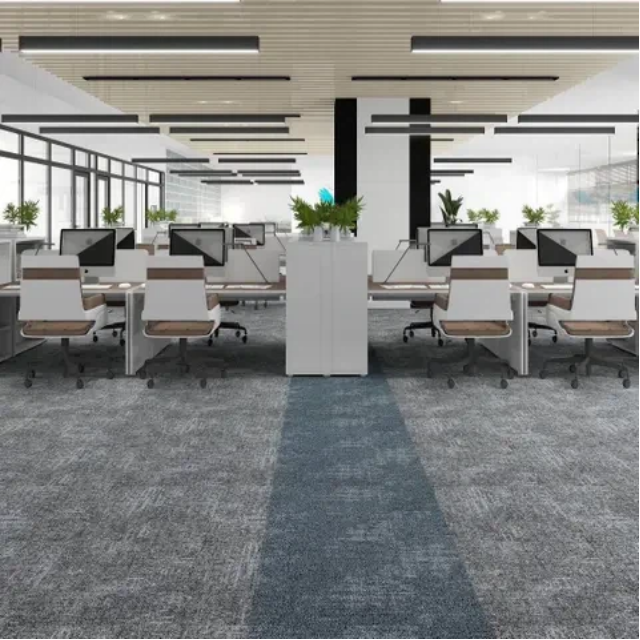
Padding is often overlooked during the carpet installation process, but it plays a vital role in providing comfort and ensuring the carpet’s longevity. Choosing the wrong type of padding or underlay can lead to uneven surfaces, premature wear, and a general lack of comfort. Proper padding creates a smooth, cushioned foundation for your carpet, improving its overall performance.
Too Thin Padding → Uneven Surface/Bumps
Using too thin of a padding material can result in an uneven surface under your carpet. Thin padding doesn’t provide the necessary cushioning and support, leading to areas where the carpet will feel bumpy or uneven. For the best results, choose a medium to high-density padding that is thick enough to create a stable foundation, especially for high-traffic areas. This type of padding helps absorb pressure from foot traffic and furniture, ensuring your carpet remains in good condition for a longer period.
Padding Not Perpendicular to Carpet → Wrinkles Later
The direction in which you lay the padding is crucial. If the padding is not laid perpendicular to the direction of the carpet fibers, it can cause the carpet to wrinkle and shift over time. The padding should be aligned with the direction of the carpet for the best fit and smoothness. A misalignment can lead to uneven wear and damage, which can detract from the carpet’s appearance and reduce its lifespan.
Seams and tack strips are key elements in carpet installation. If the seams are not installed correctly, they can become visible, disrupting the carpet’s smooth appearance. Similarly, the tack strips used to secure the edges of the carpet must be positioned correctly to keep the carpet firmly in place.
Visible Seams & How to Avoid Them
Visible seams can ruin the aesthetic of your carpet installation. These seams are often caused by improper alignment or a lack of attention to detail during the installation process. To avoid visible seams, it’s essential to ensure the edges of the carpet are perfectly aligned before cutting or gluing. A seaming iron and adhesive tape can help secure the edges tightly together, making the seams nearly invisible. Additionally, it’s essential to use high-quality adhesive and tools during the seaming process to ensure that the edges remain secure and seamless.
Many carpets, especially those made from natural fibers, can expand or shrink based on temperature and humidity. Acclimating the carpet before installation allows it to adjust to the conditions in the room. If you skip this step, the carpet could shrink, buckle, or become misshapen after installation, leading to a poor outcome.
How Long Acclimation Should Take
Carpet should be allowed to acclimate for at least 24 hours before installation. During this time, the carpet will adjust to the room’s temperature and humidity, ensuring it lays flat and stable. If the room is particularly humid or the carpet is made from natural fibers, the acclimation period may need to be extended. This simple step can prevent a lot of headaches later on, such as warping or shrinking, and is an essential part of the installation process.
Avoiding carpet installation mistakes is crucial for ensuring a smooth, durable, and attractive finish. By following the right steps, such as accurate measurements, proper carpet stretching, selecting the right padding, and ensuring that seams and tack strips are installed correctly, you can ensure a long-lasting carpet that enhances your space. Additionally, remembering to acclimate your carpet before installation can help prevent potential issues down the line. At LKHY Carpet, we offer high-quality carpet tiles and wall-to-wall carpets that are designed to provide comfort, durability, and style. If you need expert advice or help with your carpet installation, contact us today for personalized guidance and a wide range of carpet solutions that meet your needs.
Q1: What type of padding is best for carpet installation?
A1: Medium to high-density foam padding works best for most home installations, providing a stable base while adding comfort and cushioning. For high-traffic areas, rubber or felt padding offers extra durability.
Q2: How can I avoid wrinkles in my carpet after installation?
A2: To prevent wrinkles, use a power stretcher to stretch the carpet tightly across the room. Ensure that the carpet is properly acclimated before installation and that the padding is aligned with the carpet fibers.
Q3: Why is carpet acclimation necessary before installation?
A3: Carpet acclimation helps the material adjust to the room’s temperature and humidity, preventing shrinkage, buckling, or warping after installation.
Q4: What’s the best way to handle visible seams in carpet installation?
A4: To avoid visible seams, ensure that carpet edges are carefully aligned and secured with a seaming iron. Using high-quality adhesive and professional tools will also help prevent noticeable seams.


