

| Color: | |
|---|---|
| Size: | |
| Construction: | |
| Fiber: | |
| Backing: | |
| Gauge: | |
| Total Thickness: | |
| Quantity: | |
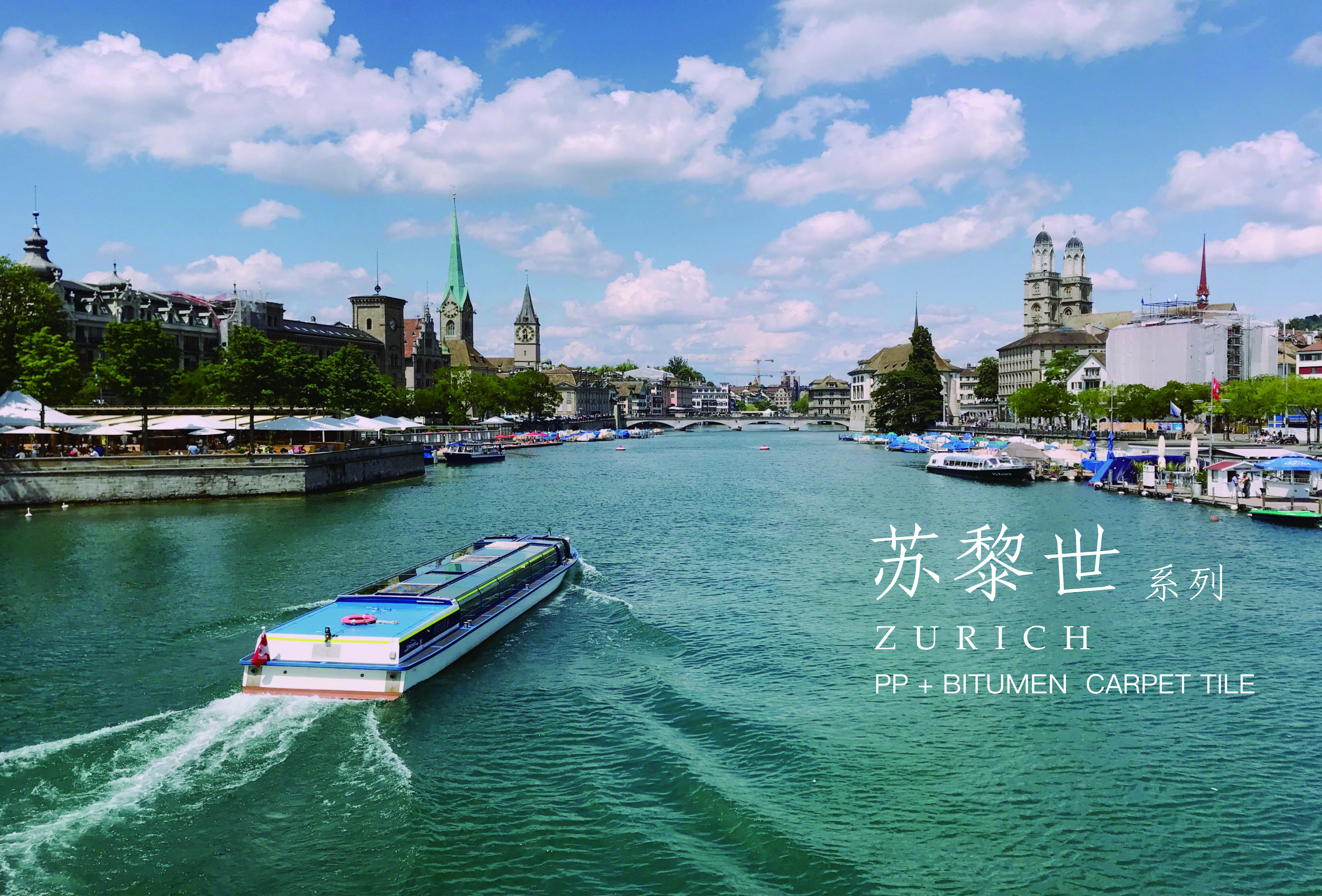
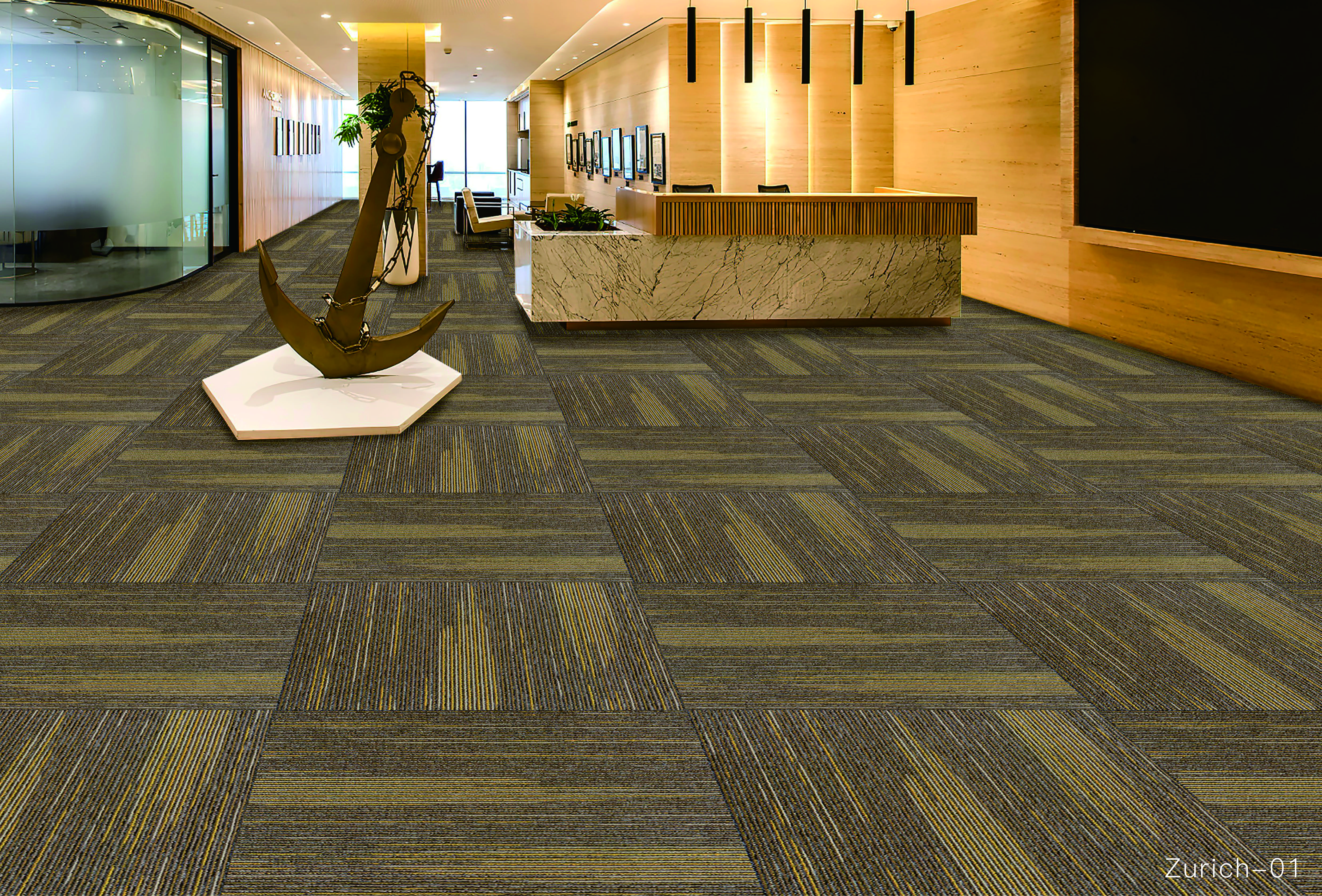
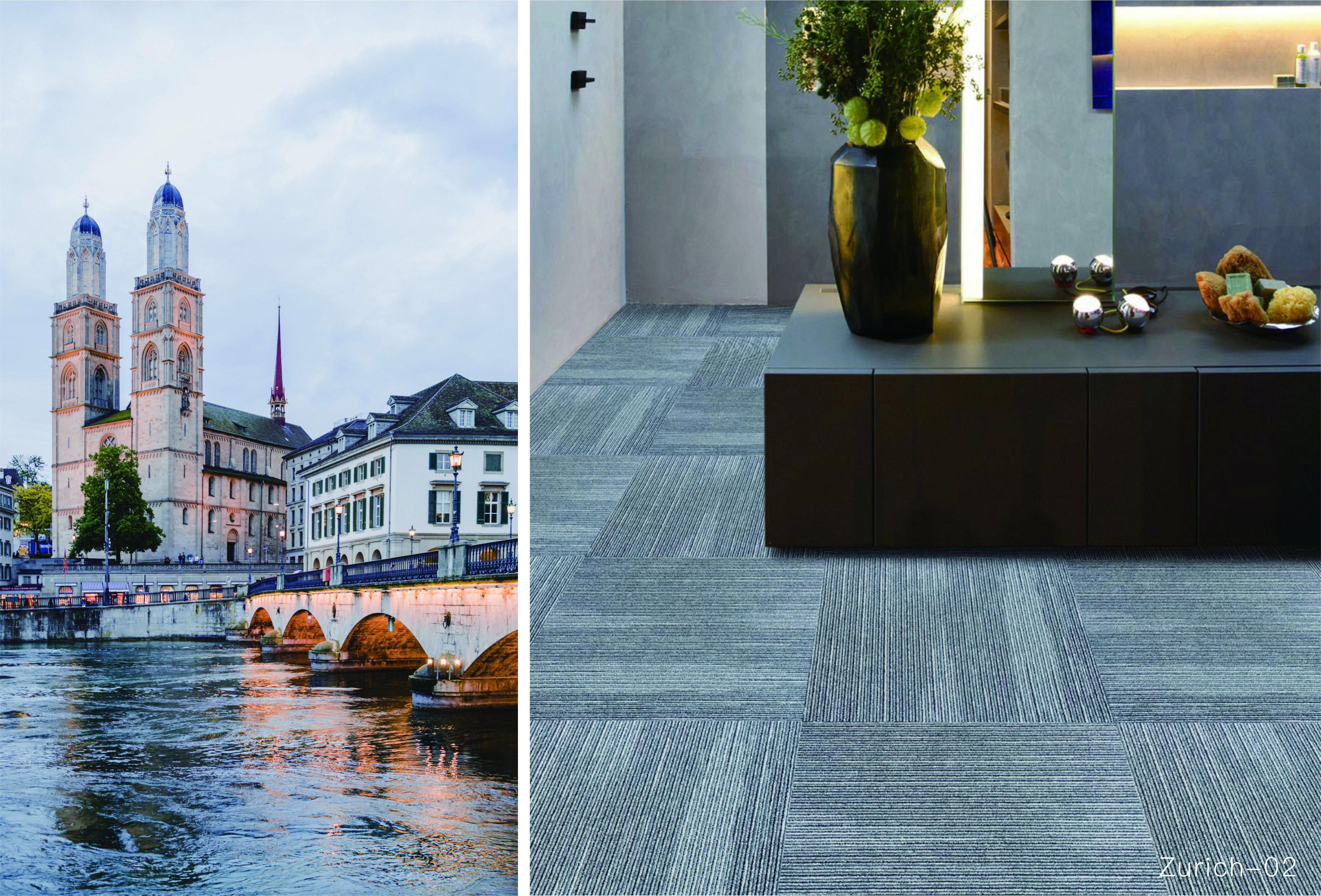
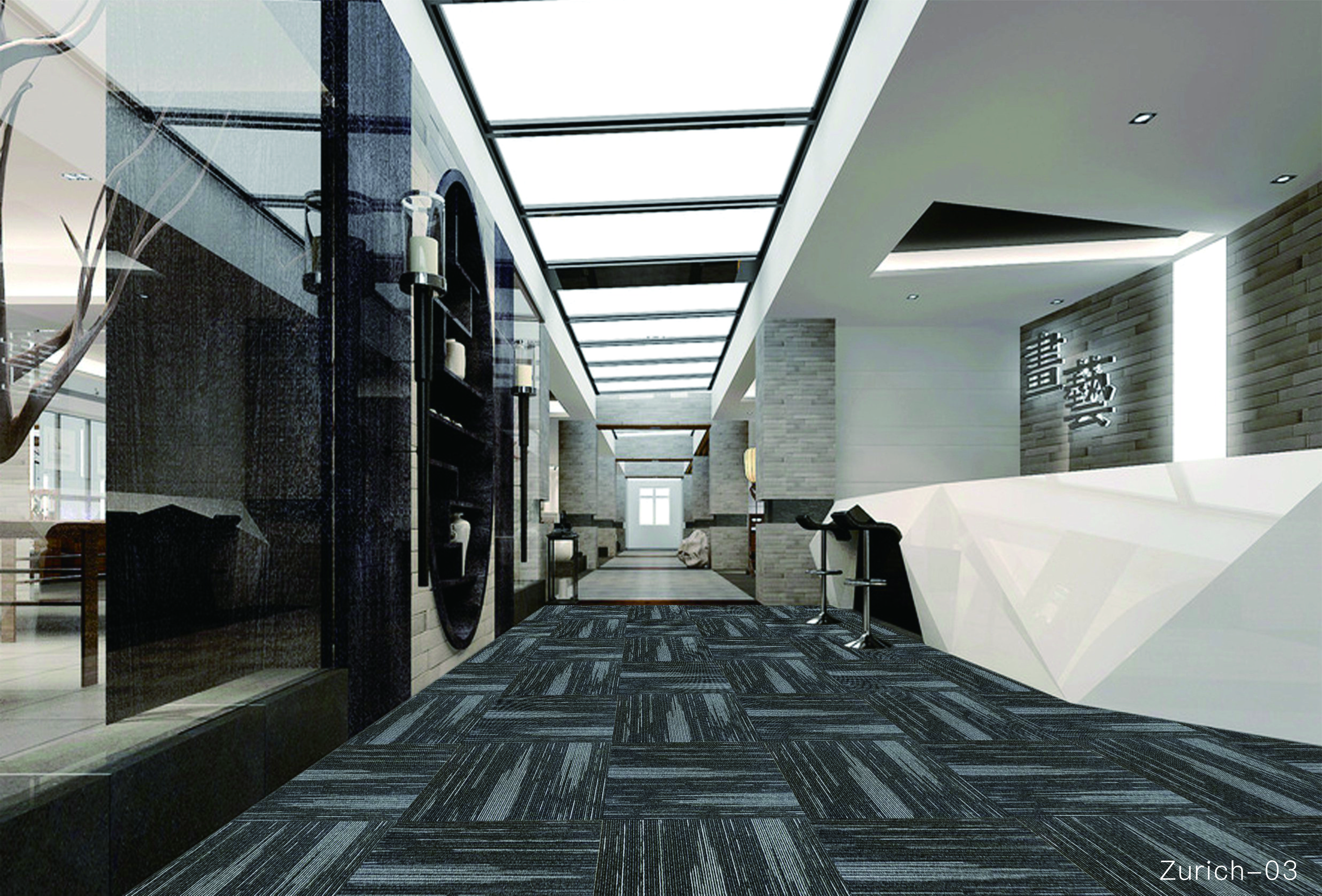
Zurich
LKHY
As commercial buildings become increasingly focused on occupant safety, operational efficiency, and long-term asset management, flooring materials are expected to deliver more than visual appeal.
For architects, project consultants, facility managers, and corporate procurement teams, carpet tiles are now evaluated based on how they contribute to workplace safety, building compliance, maintenance planning, and user experience.
Carpet Tiles are designed to meet these evolving expectations through a combination of anti-slip performance, fire-resistant properties, acoustic comfort, and modular flexibility.
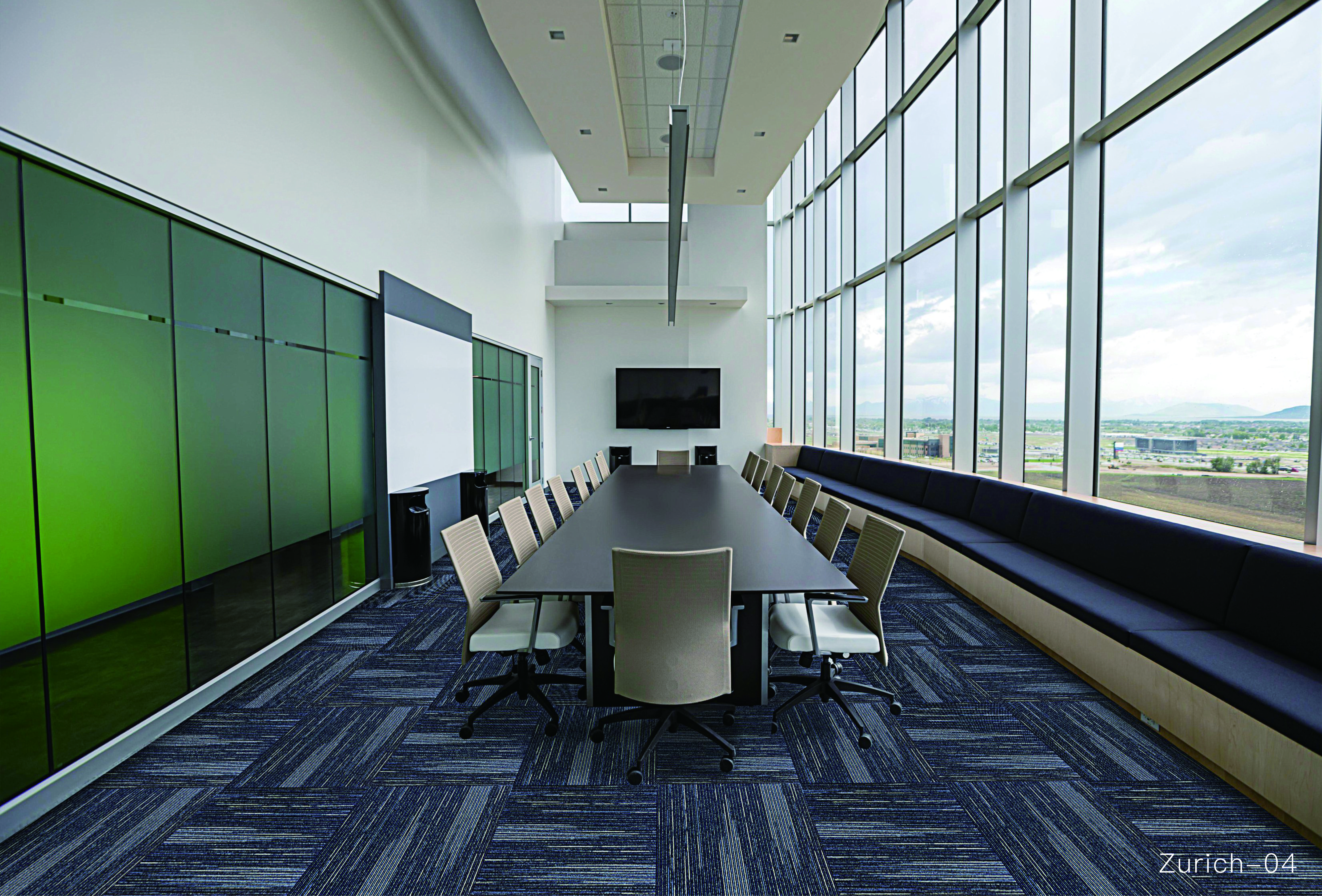
Whether used in office towers, educational facilities, public buildings, or commercial developments, carpet tiles provides a flooring solution that supports both everyday operations and long-term building objectives.
Building owners today face increasing pressure to provide safe and comfortable environments for employees, visitors, and occupants.
Flooring plays a direct role in reducing operational risks.
In busy commercial environments, slips, trips, and falls remain among the most common causes of workplace accidents.
Carpet tile systems help create a more secure walking surface by providing improved traction compared with many hard-surface flooring materials.
For facilities with continuous daily traffic, this added level of safety can contribute to a better user experience and reduced operational concerns.
Fire safety remains one of the most important considerations during the specification stage of commercial construction projects.
Carpet Tiles are designed with fire-resistant characteristics that make them suitable for a wide range of public and commercial interiors.
Applications often include:
• Corporate office buildings
• Educational campuses
• Government facilities
• Conference centers
• Hospitality projects
• Public service buildings
By incorporating fire-retardant flooring materials into interior spaces, project teams can better align flooring selections with overall building safety objectives.
The relationship between workplace design and employee performance has become a major topic in commercial real estate.
Modern offices increasingly focus on creating environments that encourage concentration while reducing distractions.
Textured carpet tile surfaces help contribute to a quieter interior environment by reducing footfall noise and minimizing sound reflection.
For organizations operating:
• Open-plan offices
• Shared workspaces
• Call centers
• Administrative departments
• Training facilities
acoustic comfort can significantly improve the daily working experience.
Forward-thinking procurement teams increasingly evaluate flooring through a lifecycle cost perspective rather than focusing solely on upfront pricing.
This approach considers factors such as:
• Maintenance frequency
• Cleaning requirements
• Repair efficiency
• Service life
• Future renovation flexibility
Because carpet tiles can be maintained and updated in specific areas when required, building operators often gain greater control over long-term flooring budgets.
This makes modular flooring systems particularly attractive for multi-site organizations and large commercial portfolios.
Commercial interiors rarely remain static.
As businesses grow and operational requirements change, floor plans often need to be reconfigured.
Examples include:
• Expansion of workstations
• Department relocation
• Meeting room redesign
• Retail layout adjustments
• Temporary project spaces
The modular format of carpet tiles allows flooring layouts to adapt more easily to these changes without requiring complete floor replacement.
This flexibility supports future workplace transformation initiatives and reduces disruption during renovations.
Environmental responsibility is becoming a key factor in commercial procurement decisions.
Many organizations now incorporate sustainability objectives into their building material selection process.
Modular carpet tile systems support these goals through:
• Reduced installation waste
• Selective replacement capability
• Extended floor lifecycle
• Lower renovation-related material consumption
Rather than replacing an entire floor when localized wear occurs, building managers can address only the affected area.
This practical approach aligns with modern resource-efficiency strategies increasingly adopted across commercial projects.
Suitable for corporate offices, business centers, and co-working environments where appearance, comfort, and operational efficiency are equally important.
Ideal for schools, universities, libraries, and training centers that require flooring capable of supporting intensive daily use.
A practical solution for government facilities, civic centers, transportation terminals, and community service buildings.
Suitable for mixed-use projects, retail complexes, and business parks seeking long-term flooring performance.
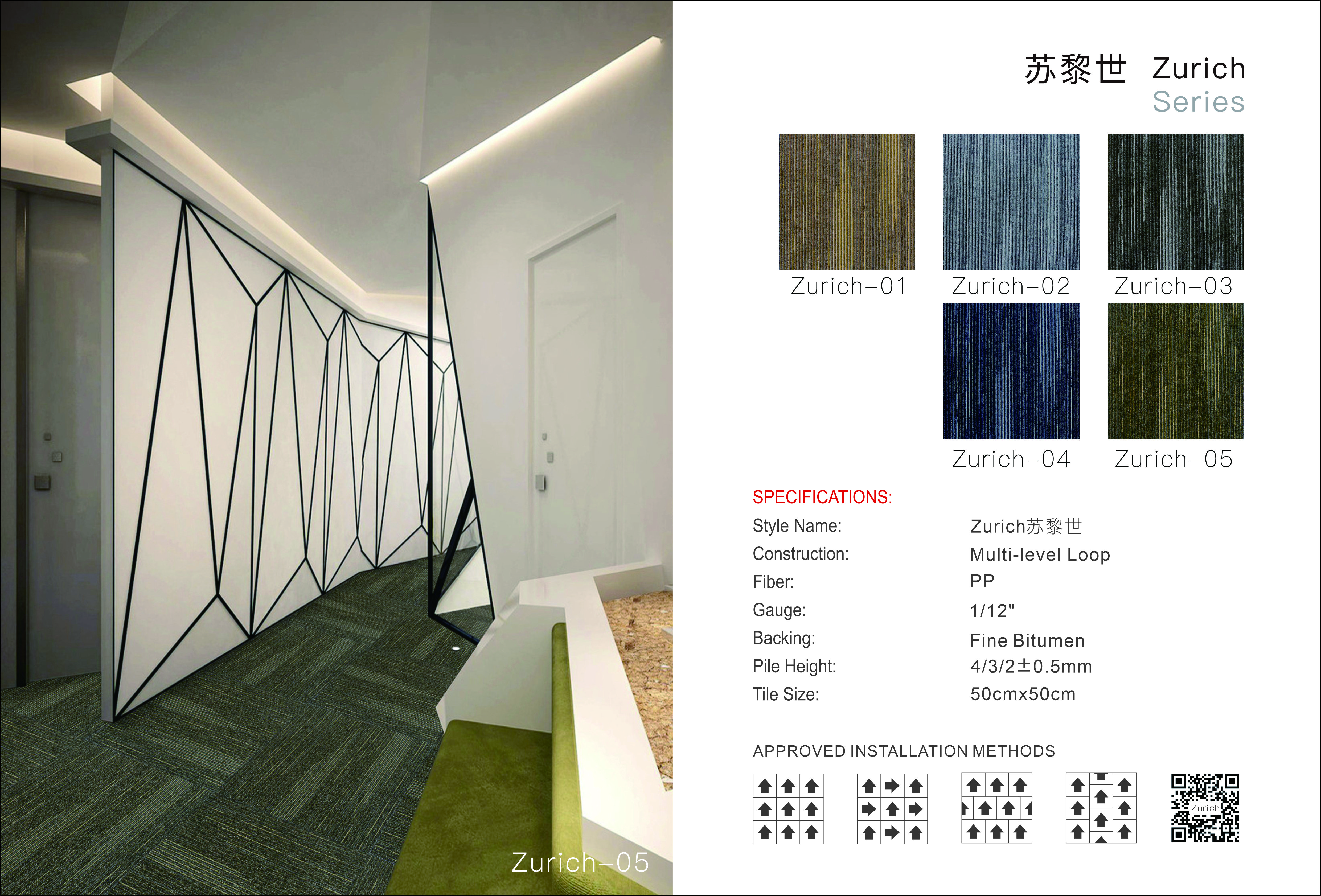
Style Name: Zurich
Construction: Multi-level Loop
Fiber: Polypropylene (PP)
Gauge: 1/12"
Backing: Fine Bitumen
Pile Height: 4/3/2 ±0.5mm
Tile Size: 50cm × 50cm
Key Features:
• Anti-Slip Surface
• Fire-Resistant Performance
• Anti-Static Characteristics
• Acoustic Comfort
• Commercial Durability
• Modular Flexibility
• Easy Maintenance
• Long-Term Cost Efficiency
The 50cm × 50cm format offers an effective balance between installation efficiency, design flexibility, transportation convenience, and future maintenance accessibility.
This size remains one of the most widely specified formats in commercial flooring projects worldwide.
Yes.
Carpet tiles are frequently selected for commercial environments where reliable performance, easy maintenance, and long-term operational value are required.
Carpet tiles can help improve walking comfort and traction, making them a practical flooring choice for many office and public environments.
Fire-resistant flooring materials support broader building safety strategies and are commonly specified in projects where compliance and occupant protection are priorities.
Today's commercial flooring decisions are increasingly influenced by factors beyond appearance alone.
Building owners seek solutions that contribute to safety, efficiency, sustainability, and long-term value.
Carpet Tiles are designed with these priorities in mind, helping organizations create interior environments that are functional, adaptable, and prepared for the evolving demands of modern commercial spaces.


