

Views: 0 Author: Site Editor Publish Time: 2026-04-14 Origin: Site


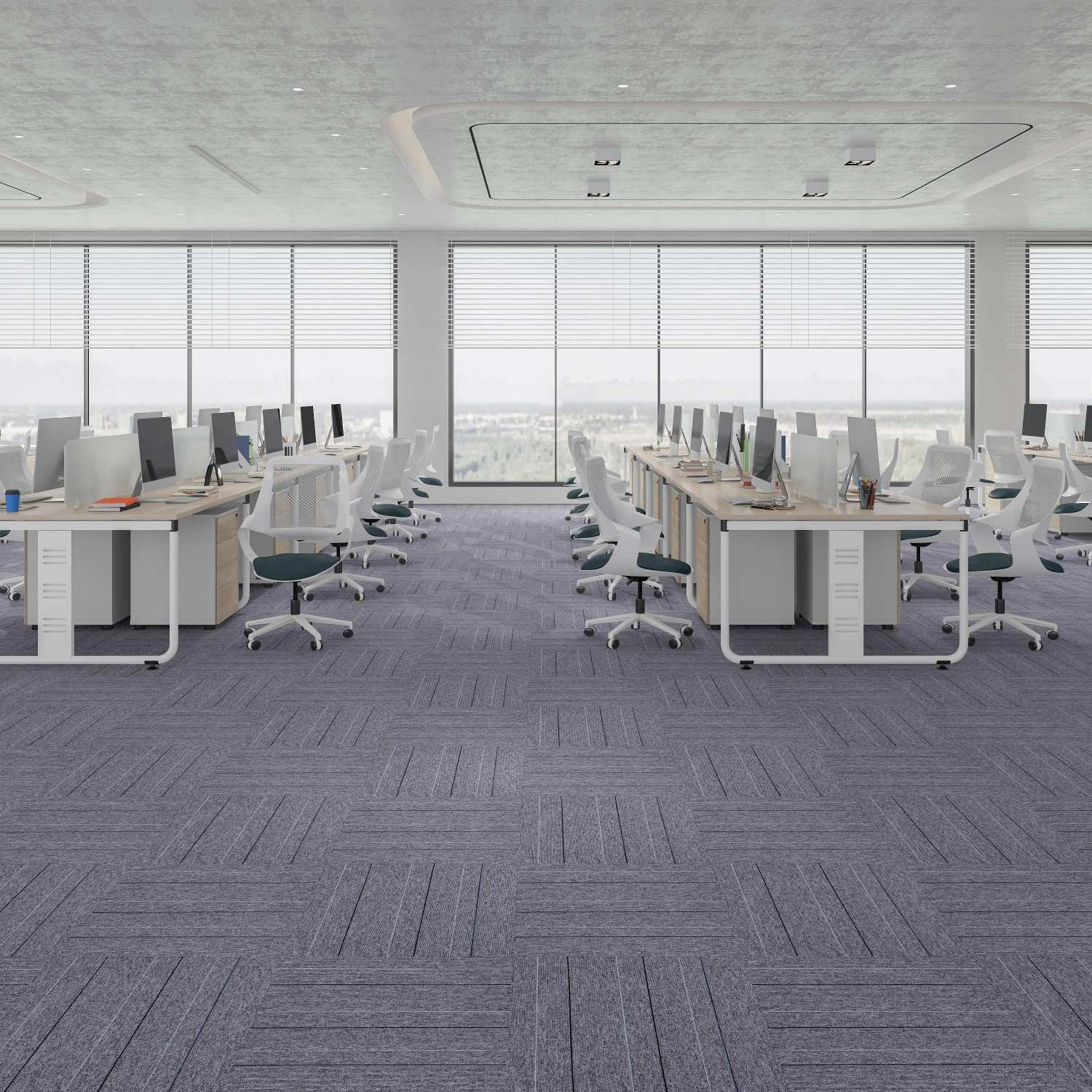
Fast-track commercial build-outs operate on relentless, zero-margin timelines. Construction schedules demand rapid execution. They leave absolutely no room for logistical errors or unexpected delays. Choosing the wrong flooring format impacts much more than just your interior aesthetics. It directly risks serious project delays. You also face severe budget overruns from unseen material waste. Facility managers cannot accept operational downtime simply to lay down floor coverings.
We objectively compare Modular Carpet Tiles and broadloom carpet across critical decision-stage criteria. You will discover how installation speed shapes the best choice. We also explore maintenance realities and specific facility constraints. Project managers and facility teams can use this guide. They will learn to make a truly evidence-based specification.
Speed & Downtime: Modular carpet tiles drastically reduce installation time and allow for phased rollouts without completely clearing office furniture.
Maintenance Realities: Carpet tiles offer immediate localized replacement, whereas damaged broadloom requires expensive, highly visible patching or full-room replacement.
Acoustics & Luxury: Broadloom remains the superior choice for high-end acoustic dampening and seamless, large-scale pattern repeats (e.g., executive boardrooms, hospitality).
Occupied renovations present severe logistical nightmares. You must keep the business running smoothly. Moving entire departments destroys company productivity. Facilities bypass this using specialized furniture-lifting systems. These mechanical jacks lift heavy cubicles slightly off the ground. Installers slide out the old flooring easily. They drop Modular Carpet Tiles directly underneath. Teams work efficiently in small, isolated quadrants. You avoid packing up individual desks. You skip disconnecting complex computer networks. This process virtually eliminates operational downtime. Employees leave work on Friday. They return on Monday to a brand new floor. They experience absolutely zero disruption.
Broadloom installations require completely vacant spaces. You must clear every single piece of furniture. Logistics become incredibly complicated very quickly. The carpet rolls span 12 to 15 feet wide. They weigh hundreds of pounds. Moving them requires reserving industrial freight elevators. Sometimes crews must hoist them through exterior windows. Installers unroll the bulky material carefully. They trim it to fit the room perfectly. They stretch it tightly over wooden tack strips. Finally, they seal the edges using chemical seam welders. This entire sequence takes days to finish. It demands highly skilled, expensive labor.
Material waste drastically affects your final project budget. Estimators must account for significant off-cut waste. Broadloom requires precise alignment for complex pattern repeats. Installers cut away huge sections to match the design. Irregular rooms increase this waste factor significantly. You might lose 15 percent of your total material. Curved walls complicate the cutting process even further. Carpet tile waste remains incredibly minimal. Installers simply trim the small edge pieces. They use the remaining scraps in hidden corners. You maximize every dollar spent on raw materials.
Hidden moisture creates dangerous indoor environments. Traditional broadloom padding acts as a giant sponge. It absorbs vapor emitting from concrete subfloors constantly. This trapped dampness breeds mildew very rapidly. It degrades the adhesive layer underneath. It eventually causes unpleasant odors across the entire office. High-quality Modular Carpet Tiles solve this problem entirely. Manufacturers build them using robust integrated backings. These structures utilize breathable or non-porous materials. They resist moisture degradation exceptionally well. They actively protect your indoor air quality.
Fast-track projects rarely allow adequate concrete curing time. Subfloor preparation becomes a major construction bottleneck. Thick broadloom padding forgives minor surface imperfections nicely. It hides small dips in the concrete slab. Modular tiles demand a flawlessly clean, level surface. Uneven joints force the tile edges upward. We call this specific issue edge curling. Curled edges create dangerous tripping hazards immediately. They represent the primary failure mode for modular formats. Installers must prep the concrete meticulously before starting.
Installation adhesives differ fundamentally between the two formats. Traditional broadloom requires heavy full-spread glues. You trowel the adhesive across the entire floor surface. These glues demand strict moisture emission limits. High humidity prevents proper adhesive curing. Carpet tiles offer much better flexibility. They utilize pressure-sensitive adhesives. Some employ clever floating tab systems instead. These adhesive tabs connect tiles to one another. They never bond directly to the concrete floor. This floating method bypasses strict moisture limitations entirely. You can install the floor weeks earlier.
Conduct Relative Humidity (RH) Testing: Ensure the concrete slab meets manufacturer emission limits.
Evaluate Surface Flatness: Grind down high spots and fill low depressions accurately.
Remove Contaminants: Scrape away old glues, oils, and chemical sealers completely.
Apply Appropriate Primers: Seal the porous concrete to ensure optimal adhesive tack.
Broadloom dominates specific luxury commercial environments. It achieves a truly seamless, wall-to-wall aesthetic. Designers rely on it for massive, continuous pattern repeats. High-end hospitality venues utilize these dramatic visuals heavily. Executive suites prefer the unbroken elegance. The plush texture feels incredible underfoot. You simply cannot replicate this scale using modular formats.
Modular design flexibility offers profound architectural advantages elsewhere. Architects specify modular carpet tiles for dynamic, modern layouts. They manipulate the visual space effortlessly. You can naturally support functional zoning. Designers use different colors to denote safe walkways. They highlight collaboration areas using contrasting textures. You define unique spaces clearly. You skip building expensive physical walls entirely.
Monolithic: Installers align every tile facing the exact same direction for a unified look.
Quarter-turn: Installers rotate each tile ninety degrees to create a distinct checkerboard effect.
Ashlar: Installers offset the tiles in a staggered, brick-like running pattern.
Acoustic differences require careful project consideration. Open offices suffer from severe noise pollution daily. Broadloom paired alongside a heavy independent pad absorbs sound beautifully. It dampens heavy footfall impacts significantly. It prevents annoying echoes in large conference rooms. Tile manufacturers recognize this acoustic compromise well. They engineer tiles incorporating thick integrated cushion backings. Buyers must verify the technical specifications carefully. Check the Noise Reduction Coefficient (NRC) closely. Review the Impact Insulation Class (IIC) ratings. Ensure the acoustic ratings meet your exact project demands.
Seam integrity dictates long-term flooring performance. Broadloom utilizes invisible chemical welds. Installers melt the carpet seams together physically. They create one continuous, unified surface layer. Modular tiles possess visible, geometric seams. Poor broadloom seams fail catastrophically under heavy stress. Heavy rolling traffic pulls the fibers apart quickly. Desks and chairs rip the welded joints open. Fixing a ripped seam requires expensive specialized labor.
Cleaning protocols impact the flooring lifespan heavily. Facility teams clean commercial carpets very aggressively. Modular tiles feature incredibly stiff integrated backings. They endure heavy hot water extraction cleaning easily. The stiff backing prevents warping and material distortion. Stretched broadloom faces severe delamination risks continuously. Powerful industrial vacuums pull the fibers upward. They separate the yarn from the secondary backing. The carpet bubbles and ripples across the entire room.
High-traffic areas show wear patterns very quickly. Walkways and doorways always degrade first. High-performance nylon fibers resist crushing in both formats. However, Modular Carpet Tiles provide a unique maintenance strategy. Facility managers can rotate high-wear zones easily. They swap damaged tiles out quickly. They place fresh tiles from under desks into the main corridors. This simple rotation extends the overall lifespan by several years.
Flooring Type | Common Failure Mode | Root Cause | Repair Strategy |
|---|---|---|---|
Broadloom | Seam Zippering | Heavy rolling traffic on poorly welded joints. | Requires professional re-welding or complex patching. |
Broadloom | Bubbling or Rippling | Backing delamination from aggressive extraction cleaning. | Demands full-room furniture removal and re-stretching. |
Modular Tiles | Edge Curling | Installed over an uneven or dirty subfloor. | Remove affected tiles, prep subfloor, and replace. |
Modular Tiles | Visible Wear Paths | Concentrated footfall in narrow corridors. | Rotate undamaged tiles from low-traffic zones. |
Different areas demand highly specific flooring solutions. We built a clear recommendation framework below. You can specify materials based directly on functional needs.
Project Area | Recommended Format | Primary Justification |
|---|---|---|
Open-Plan Offices & Corridors | Modular Carpet Tiles | Enables fast maintenance, handles heavy rolling traffic, supports visual zoning. |
Raised Access Floors (Tech Hubs) | Modular Carpet Tiles | Mandatory specification to allow constant access to under-floor cabling. |
Executive Boardrooms | Broadloom Carpet | Delivers premium underfoot feel, maximum acoustic isolation, and seamless aesthetics. |
High-Humidity Facilities | Modular Carpet Tiles | Moisture-resistant backings promote airflow and prevent severe mildew growth. |
Open-plan offices endure constant daily abuse. Hundreds of office chairs roll around continuously. Coffee spills happen frequently. You need lightning-fast maintenance protocols. Modular Carpet Tiles handle this environment effortlessly. Janitorial staff can replace a stained tile in mere minutes.
Server rooms and tech hubs utilize raised access floors. These raised grids hide massive bundles of networking cables. IT teams require constant under-floor access. You absolutely cannot stretch broadloom over individual access panels. Modular tiles remain strictly mandatory for these raised floors.
Executive boardrooms serve as client-facing showpieces. Boutique hospitality venues sell a luxurious customer experience. Broadloom delivers a rich, premium underfoot feel. It provides superior acoustic isolation for private conversations. The completely seamless aesthetic looks incredibly sophisticated.
Coastal facilities battle high humidity constantly. Moisture destroys traditional flooring materials rapidly. Broadloom padding traps this dampness aggressively. Modular tiles utilize specialized moisture-resistant backings. They promote better airflow directly against the concrete slab. This simple design prevents mildew growth almost entirely.
Fast-track projects demand minimal operational downtime. They require strict limitations on raw material waste. Long-term maintenance agility dictates final project success. Modular carpet tiles represent the structurally superior choice for these demanding environments. Broadloom still holds significant value for high-end hospitality. However, modular formats win the installation efficiency battle clearly.
Facility managers should audit subfloor moisture levels early. Request large-scale mockups before purchasing your materials. Evaluate the visual impact of modular seams thoroughly. Confirm your maintenance team understands simple rotation strategies. You guarantee a much longer lifespan for your commercial flooring.
A: Raw materials for tiles often carry a slightly higher upfront price per square yard. However, installation labor costs significantly less. You also waste far less material during the cutting process. This installation efficiency makes the final installed price highly competitive.
A: Professionals can patch damaged broadloom carpet. They cut out the stain and glue a fresh piece down. Matching dye lots perfectly remains extremely difficult. Wear patterns also look completely different over time. The patched area usually remains clearly visible. Dropping in a fresh modular tile looks much cleaner.
A: Commercial carpet tiles include a built-in backing. Manufacturers build cushion layers directly into the tile structure. They use vinyl, fiberglass, or specialized polyurethane. You do not need a separate pad. This integration eliminates extra material costs. It also speeds up the entire installation process.


