

Views: 0 Author: Site Editor Publish Time: 2026-01-30 Origin: Site


Open-plan offices are becoming the go-to choice for modern workspaces. But how do you create distinct areas in such open environments? Zoning helps define spaces for specific activities, boosting productivity and comfort.
Carpet tiles are a flexible, cost-effective solution for creating these zones. In this article, we’ll explore how carpet tiles can help you optimize office layouts, enhance functionality, and improve employee experience.
Carpet tiles are highly adaptable, making them an ideal choice for dynamic office spaces. Unlike traditional broadloom carpets, which are installed as a continuous roll, carpet tiles can be easily reconfigured and replaced. As your office layout changes, you can adjust the tiles to suit the new design without needing to redo the entire floor. This flexibility saves both time and costs, offering a significant advantage in open-plan office environments where layouts are often subject to change.
Carpet tiles are more affordable compared to traditional carpet rolls, especially when considering installation and maintenance costs. In the event of damage, only the affected tile needs to be replaced, rather than the entire floor. This makes carpet tiles a more cost-effective option in the long run, particularly for high-traffic areas prone to wear and tear.
Carpet tiles come in a variety of colors, patterns, and textures, providing endless design possibilities. Whether you’re looking for a vibrant and dynamic look or a more muted and professional aesthetic, carpet tiles offer the versatility to meet your needs. This diversity not only enhances the visual appeal of your office but also allows you to distinguish between different functional zones, such as quiet areas, meeting rooms, and collaborative spaces. Choosing the right colors and patterns helps guide the flow of movement, enhances office functionality, and creates an inviting atmosphere.
● In collaborative zones: Use bold colors or striking patterns to energize the space.
● In quiet areas: Opt for neutral tones to promote focus and relaxation.
● In high-traffic areas: Use directional patterns to guide foot traffic, ensuring easy navigation.
Advantage | Benefit | Application | Example |
Flexibility | Easily reconfigurable and replaceable tiles. | Adapts to changing office layouts, saving time and cost. | Can adjust the layout as needed without redoing the entire floor. |
Cost-Effectiveness | More affordable than broadloom carpets. Individual tiles can be replaced if damaged. | Ideal for high-traffic areas, reducing long-term maintenance costs. | Only the damaged tile needs replacement, not the whole floor. |
Aesthetic Design | Wide variety of colors, patterns, and textures. | Enhances office appearance and helps define functional zones. | Use bold colors for collaboration zones, neutral tones for quiet areas. |
Improved Functionality | Can define work areas and guide movement effectively. | Helps improve office flow and zoning. | Directional patterns can guide foot traffic. |
The first step in using carpet tiles for zoning is to clearly define the different functional areas within your office. Open-plan offices often require specific zones, such as:
● Collaborative Zones: Areas for team meetings and brainstorming sessions.
● Quiet Workspaces: Places where employees can work in peace without distractions.
● Break Areas: Relaxation zones for employees to unwind.
By determining the functions of each area, you can choose the appropriate style of carpet tiles for each zone. For instance, collaborative spaces might benefit from vibrant colors or bold patterns, while quiet areas may require neutral tones that foster focus.
Once you’ve defined your zones, it’s time to select carpet tiles that reflect the unique needs of each area. Consider using different colors, patterns, and textures to visually separate the zones. For example:
● Bold colors: Use bright hues like red or blue to energize collaborative zones.
● Neutral tones: Select soft, muted shades for quiet areas to promote relaxation and focus.
● Textured tiles: Opt for textured carpet tiles in high-traffic areas to improve durability while adding visual interest.
Colors influence mood, so it’s important to consider color psychology when choosing carpet tiles. For example, cooler tones such as blues and greens create a calm atmosphere in quiet work areas, while warmer tones like yellows and oranges can energize and stimulate creativity in collaborative zones.
Carpet tiles can create clear boundaries without the need for physical barriers such as walls or partitions. This is especially valuable in open-plan offices where flexibility is key. By strategically placing tiles with different patterns or colors, you can signal the transition from one zone to another. For example, a simple color change or a patterned carpet tile can mark the boundary between a meeting space and a break area. This approach maintains an open feel while still providing a clear demarcation of each functional zone.
One of the most effective ways to use carpet tiles for zoning is through color blocking. This technique involves using solid blocks of contrasting colors to define different areas. For instance, you can place a bold blue tile in a collaborative zone and a softer beige tile in a quiet zone. This method not only makes the zones easily identifiable but also adds visual depth to the office.
In addition to color, patterns play an important role in guiding the flow of movement through the office. You can use patterns such as linear designs to direct foot traffic or organic, free-form patterns to highlight informal areas. For example, a directional linear pattern in hallways can subtly lead employees to specific destinations, such as meeting rooms or break areas.
To avoid harsh lines between zones, consider using transitional colors or gradient patterns. This design technique gradually shifts from one color to another, creating a smooth transition between adjacent areas. Transitional tiles not only soften the separation between spaces but also add an artistic touch to the floor design.
Technique | Detail | Example |
Color Blocking | Using contrasting colors to define zones. | Blue for collaboration, beige for quiet areas. |
Pattern Variation | Patterns guide movement and highlight areas. | Linear for hallways, organic for informal spaces. |
Transitional Gradients | Smooth color transitions between zones. | Gradients for seamless transitions. |
One of the major advantages of carpet tiles in open-plan offices is their ability to absorb sound. Acoustic management is essential in large spaces where noise can easily travel and disrupt work. Carpet tiles with a high pile are especially effective in quiet zones, where noise reduction is crucial for focus and concentration. Conversely, low-pile tiles work well in high-traffic areas, offering durability without compromising acoustic performance.
When selecting carpet tiles for different zones, it’s important to balance functionality with acoustic needs. For example, in collaborative areas where discussions and brainstorming occur, soundproofing may not be as critical. However, in quiet zones or private offices, using carpet tiles designed to absorb sound will create a more conducive environment for concentration.
Benefit | Description | Example |
Sound Absorption | Carpet tiles reduce noise in open spaces. | High-pile for quiet zones, low-pile for high-traffic. |
Functionality Balance | Balance soundproofing with office needs. | Acoustic tiles for quiet areas, standard for collaborative spaces. |
Carpet tiles can also be used to improve the flow of movement within the office by serving as natural pathways. Changes in color, pattern, or texture can subtly guide employees through the space, helping them navigate without feeling restricted. For example, you might use a bold, linear pattern in hallways to lead employees toward meeting rooms or workstations.
A key consideration in office design is inclusivity. High-contrast colors or textured carpet tiles can help employees with visual impairments navigate the space with ease. By incorporating these elements into your carpet tile design, you can create an office that is both functional and accessible to everyone.
Carpet tiles offer the opportunity to strengthen your company’s brand identity through custom designs. By choosing carpet tiles in your company’s colors, you can create a unique and professional environment that reflects your brand’s ethos. This not only enhances the aesthetic appeal of your office but also reinforces your company’s image when clients and visitors walk through the door.
You can also use carpet tiles to combine zoning and branding in creative ways. For example, different carpet tile designs in specific zones can reflect various aspects of your company’s culture or values. Whether you choose to represent different departments or create branded meeting areas, carpet tiles provide the perfect medium for incorporating both functional and branding elements.
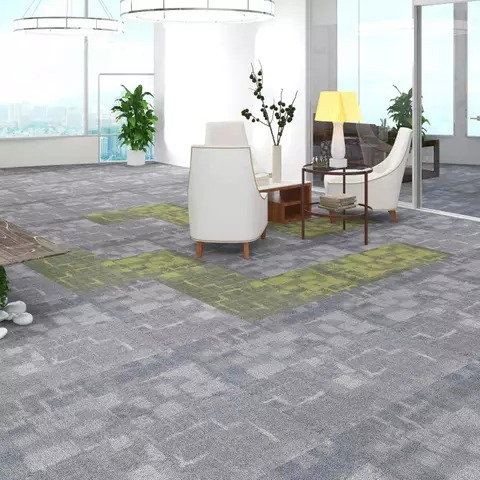
Carpet tiles are an ideal solution for zoning in open-plan offices. They offer flexibility, cost-effectiveness, and a range of design options to suit various office needs. By strategically using carpet tiles, you can define spaces, improve acoustics, and enhance workspace flow. Incorporating branding elements further strengthens your company's identity. Hubei Linkun Hongyuan Carpet Corp. offers high-quality carpet tiles that improve office functionality and employee satisfaction, providing long-term value to businesses.
A: Carpet tiles are modular flooring pieces that can be arranged to create defined zones in open-plan offices. They are flexible, easy to install, and offer various design options for zoning different workspaces.
A: Carpet tiles offer flexibility, cost-effectiveness, and a wide variety of design options. They can define workspaces, improve acoustics, and enhance office flow without the need for physical barriers.
A: Carpet tiles, especially those with a higher pile, absorb sound, making them ideal for quiet zones. This improves concentration and reduces noise in busy open-plan offices.
A: Yes, carpet tiles are affordable and easy to replace individually if damaged. This makes them a more cost-effective solution than traditional carpeting for office zoning.
A: Yes, by using custom carpet tiles in your office design, you can incorporate your brand colors and logo, reinforcing your company’s identity in the workspace.


