

Views: 0 Author: Site Editor Publish Time: 2026-01-27 Origin: Site


Choosing between hardwood flooring and modular carpet tiles is no easy task. Should you prioritize elegance or comfort? Hardwood floors exude timeless beauty, while carpet tiles offer unmatched comfort and versatility. In this article, we will explore the key factors that should guide your decision. You’ll learn how to balance aesthetics with comfort, and when to choose each option for your space.
Hardwood flooring is known for its classic beauty. Whether you choose oak, maple, or cherry, each wood type brings a unique grain pattern and color that can instantly elevate a room's look. The natural variation in the wood adds character, making hardwood floors a popular choice for homes aiming for a sophisticated and elegant atmosphere.
Hardwood can work with almost any design style, from modern minimalism to rustic farmhouse, giving it versatility that many flooring options lack. It provides a warm, inviting feel that’s perfect for living rooms, kitchens, and entryways. Its durability ensures it remains an elegant option for years to come, offering long-term value.
Unlike hardwood, modular carpet tiles allow for easy customization. Available in a variety of colors, patterns, and textures, these tiles can be arranged in countless ways to suit any aesthetic. Whether you're aiming for a bold, contemporary look or a more subdued, classic design, carpet tiles provide the flexibility to meet your style needs.
What makes carpet tiles especially attractive is their ability to be replaced individually. This means you can quickly address stains or damage without having to replace the entire floor, giving you a level of convenience hardwood can't match.
When choosing between hardwood and modular carpet tiles, it's important to consider the specific needs of each room. Different spaces require different priorities—whether it's durability, comfort, or aesthetics. Below is a helpful guide to determine which material works best for each area in your home or office.
Space | Ideal Flooring Choice | Reason |
High-Traffic Areas | Hardwood | Durable and long-lasting, perfect for areas like hallways and entryways. |
Comfort Zones | Modular Carpet Tiles | Soft, warm, and sound-absorbing, ideal for bedrooms and living rooms. |
Offices | Modular Carpet Tiles | Comfortable underfoot and can be easily customized for office designs. |
Elegance & Visual Appeal | Hardwood | Provides a sophisticated look for spaces like dining rooms or living areas. |
Multi-Functional Spaces | Combination of Hardwood and Carpet Tiles | Use hardwood for high-traffic and carpet tiles for quieter, cozy zones. |
While hardwood flooring offers numerous benefits, its surface can feel cold, especially during winter. For homes in cooler climates, this could make it uncomfortable to walk on barefoot. Adding area rugs can help warm up the space, but the hard surface of the wood can also make it less comfortable for long periods of standing.
However, the durability and ease of cleaning hardwood make it a top choice for many. With proper care, hardwood floors can last for decades without losing their charm.
One of the standout features of carpet tiles is the comfort they offer. Soft underfoot and insulated, carpet tiles create a warm, cushioned environment that’s perfect for bedrooms, living rooms, and other spaces where comfort is important. This makes them ideal for homes with children or elderly family members, as the soft surface can help prevent falls.
In addition to comfort, carpet tiles provide an extra layer of warmth during cold months, making them a great option for colder regions. Their ability to reduce noise also makes them suitable for multi-level homes and offices.
When choosing flooring for spaces where noise control is a priority, the material's ability to absorb sound becomes a key consideration. Hardwood floors, while visually appealing, can amplify sound, creating echoes, especially in large, open areas. In contrast, modular carpet tiles excel at absorbing sound, making them an ideal option for spaces where minimizing noise is essential.
Flooring Type | Sound Absorption | Ideal For |
Hardwood | Amplifies sound, creating echoes. | Best for spaces where sound isn’t a concern. |
Modular Carpet Tiles | Absorbs sound, reducing noise levels. | Perfect for multi-level homes, offices, and commercial spaces. |
● Hardwood: Can cause noise in large or open areas due to sound amplification.
● Modular Carpet Tiles: Help create quieter environments by absorbing sound.
When it comes to durability, hardwood flooring is hard to beat. With proper maintenance, hardwood floors can last a lifetime. The key to maintaining hardwood is simple: regular sweeping, occasional mopping, and refinishing every few years. Because of its resilience, hardwood can often withstand heavy foot traffic and is less likely to show wear and tear over time compared to carpet tiles.
While carpet tiles are easy to replace if damaged or stained, they do require more regular maintenance than hardwood floors. Vacuuming is essential to remove dirt and dust, and deep cleaning should be done periodically to keep them looking their best. Unlike hardwood, carpet tiles can trap allergens like dust, pollen, and pet dander, which can be a concern for those with allergies.
However, the ability to replace individual tiles is a major benefit. When a section of the floor becomes stained or damaged, you only need to swap out the affected tiles rather than replacing the entire floor.
Choosing the right flooring for your space depends on the level of maintenance you're willing to commit to and the traffic in that area. In high-traffic areas like hallways and kitchens, hardwood may be the better choice due to its resilience. Carpet tiles, on the other hand, are ideal for spaces where comfort is more important, such as bedrooms or offices.
Flooring Type | Durability | Maintenance |
Hardwood | Long-lasting, withstands heavy traffic | Regular sweeping, occasional mopping |
Carpet Tiles | Easy to replace individual tiles | Frequent vacuuming, periodic deep cleaning |
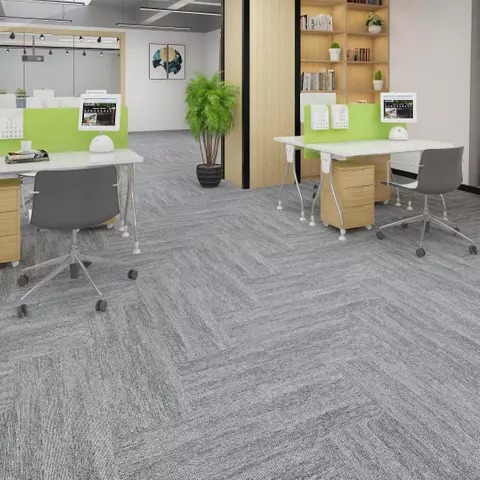
Carpet tiles have become increasingly popular in commercial spaces like offices, hotels, and retail locations. Their ease of maintenance, durability, and soundproofing qualities make them a smart choice for busy environments. In offices, for example, carpet tiles can help create a more comfortable and productive atmosphere by reducing noise and providing a softer walking surface for employees.
Additionally, carpet tiles can withstand heavy foot traffic and are easy to replace if they become damaged, making them a cost-effective option for businesses looking for long-lasting, low-maintenance flooring.
Another key advantage of carpet tiles in commercial spaces is their customizability. With endless options for color, pattern, and texture, businesses can use carpet tiles to reflect their brand identity. Whether you're outfitting a hotel lobby or an office building, carpet tiles offer a versatile solution for creating a cohesive and stylish design that aligns with your business's aesthetic.
Commercial Use | Key Benefits |
Offices, Hotels, Retail | Easy maintenance, durability, soundproofing |
Customization | Endless colors, patterns, and textures for branding |
Hardwood floors, especially those sourced from sustainably managed forests, can be a long-term eco-friendly option. The durability of hardwood means that it doesn't need to be replaced frequently, reducing waste over time. However, it's important to ensure that the hardwood comes from certified sustainable sources, as deforestation can have a negative environmental impact.
Sustainable carpet tiles are increasingly available, made from recycled materials or designed to be recyclable at the end of their life cycle. Many manufacturers are now creating carpet tiles with low-VOC (volatile organic compounds) emissions, contributing to better indoor air quality. Choosing eco-friendly carpet tiles can help reduce environmental impact while maintaining durability and comfort.
Flooring Type | Environmental Benefits |
Hardwood | Sustainable if sourced from certified forests, long-lasting, reduces waste |
Carpet Tiles | Made from recycled materials, low-VOC emissions, recyclable at end of life |
In general, hardwood floors come with a higher upfront cost, both in terms of materials and installation. However, they are often seen as an investment due to their long lifespan and timeless appeal. Carpet tiles, while more affordable upfront, may require more frequent replacement depending on the amount of traffic in the area.
While the initial cost of carpet tiles may be lower, the long-term maintenance costs can add up, especially if the tiles need to be replaced more frequently. Hardwood, though more expensive upfront, tends to have lower maintenance costs over time because it doesn’t need to be replaced as often.
Flooring Type | Upfront Cost | Long-Term Value |
Hardwood | Higher | Lower |
Carpet Tiles | Lower | Higher |
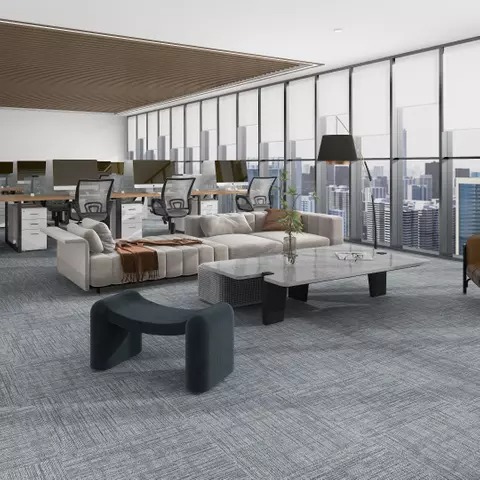
The decision between hardwood flooring and modular carpet tiles depends on your needs and preferences. Hardwood offers elegance, durability, and long-term value, ideal for high-traffic areas. In contrast, carpet tiles provide comfort, versatility, and easy maintenance, perfect for spaces needing warmth and soundproofing. For many, a combination of both works best. Hubei Linkun Hongyuan Carpet Corp. offers high-quality modular carpet tiles that deliver comfort and customization, helping you create functional, aesthetically pleasing spaces.
A: Hardwood offers timeless elegance and durability, while modular carpet tiles provide comfort, ease of maintenance, and versatility. Carpet tiles are easier to replace individually, making them a practical option for busy spaces.
A: Yes, carpet tiles generally have a lower upfront cost than hardwood. However, the long-term maintenance costs may be higher for carpet tiles depending on how often they need replacing.
A: Carpet tiles provide a soft, cushioned surface, making them perfect for comfort-focused spaces like bedrooms and living rooms. They also help with noise reduction, making rooms quieter.
A: Yes, modular carpet tiles come in various colors, patterns, and textures, allowing you to easily customize your flooring to match your design vision and brand identity.
A: Hardwood is durable and can withstand heavy foot traffic, making it ideal for areas like hallways and entryways where long-lasting flooring is important.
A: Carpet tiles excel at sound absorption, reducing noise levels, whereas hardwood floors tend to amplify sound, which can create echoes in large spaces.


