

Views: 0 Author: Site Editor Publish Time: 2026-03-31 Origin: Site


How much does commercial carpet really cost? Many businesses underestimate the budget needed. Commercial carpet tiles are growing in popularity for their durability and design flexibility. In this post, you'll learn about key factors influencing pricing and how to budget effectively for your project.
When considering commercial carpet tiles, understanding the cost components is crucial for budgeting accurately. The price varies widely based on material, installation, and design factors.
The installation cost for commercial carpet tiles typically covers both the carpet materials themselves and the labor fees for installation. The specific price will vary depending on the quality of the carpet, the type of fiber, and the backing material used.
Nylon: The most popular fiber for commercial carpet tiles, nylon offers durability and stain resistance. It usually falls in the mid to upper price range.
Olefin (Polypropylene): A budget-friendly option, olefin is less durable but suitable for low-traffic areas.
Wool: Premium natural fiber with a luxurious feel, wool tiles cost more upfront but provide long-lasting comfort and resilience.
Recycled fibers: Some commercial carpet tiles incorporate recycled materials, which may affect price depending on the percentage of recycled content.
Tufted vs. Woven: Tufted carpet tiles are generally more affordable but may not be as durable as woven tiles.
Backing Types: Backings like PVC or polyurethane cushion increase comfort and durability but add to the cost. Some tiles feature specialized backing for moisture resistance or sound insulation, which also influences price.
Installation is typically less expensive for carpet tiles compared to broadloom carpet because tiles are modular and easier to handle.
Broadloom carpet tends to have a lower material cost but higher installation costs due to labor intensity and waste.
Carpet tiles have higher upfront material costs but save money over time with easier repairs and less waste.
Removing old flooring is often an additional step that can increase the overall scope of the project.
Subfloor preparation, including patching, smoothing, or leveling, may also be necessary before new flooring can be installed properly.
Maintenance costs vary but carpet tiles often reduce long-term expenses since damaged sections can be replaced individually.
Custom patterns, logos, or branded colors increase the commercial carpet tile price. Standard designs are more budget-friendly, whereas bespoke solutions require additional setup and manufacturing time, raising costs.
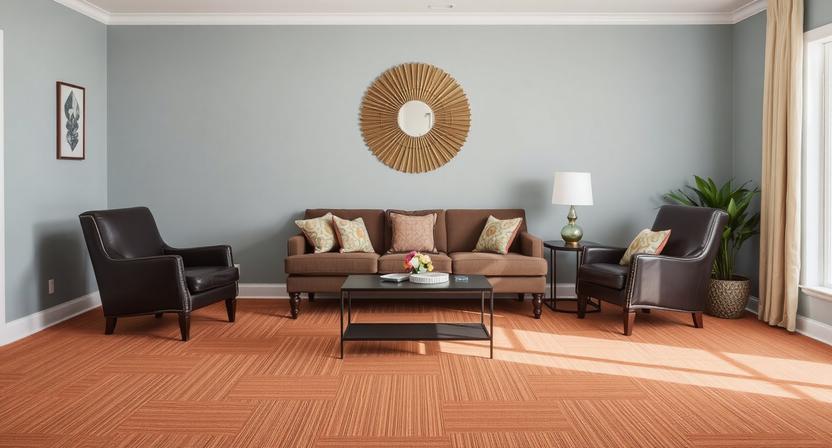
When choosing commercial carpet tiles, understanding the types and their cost impacts helps you make a smart investment. Each option offers different benefits, durability, and price points.
Tufted Carpet TilesThese are made by punching yarns through a backing material. They tend to be more affordable and widely available. Tufted tiles usually cost less per square foot but may wear out faster in high-traffic areas. They are a solid choice for budget-conscious projects that still require decent durability.
Woven Carpet TilesWoven tiles are crafted by interlacing yarns, creating a denser and more durable surface. They generally come at a premium price due to their superior construction and longevity. Woven tiles hold up better under heavy foot traffic, making them ideal for luxury offices or hospitality spaces.
Synthetic Fibers (Nylon, Olefin)Nylon is the most popular fiber for commercial carpet tiles because of its resilience and stain resistance. It falls in the mid to higher price range but offers excellent long-term value. Olefin (polypropylene) is more budget-friendly but less durable, suitable for lower-traffic zones.
Natural Fibers (Wool)Wool carpet tiles are premium products with a luxurious feel and natural flame resistance. They cost significantly more upfront but provide great comfort and age well. Wool is often chosen for executive suites or boutique hotels where appearance and feel matter.
The backing of carpet tiles affects both comfort and price. Common backing types include:
PVC Backing: Durable and moisture-resistant, often mid-priced.
Polyurethane Cushion Backing: Adds comfort and sound absorption, increasing cost.
Felt or Woven Textile Backing: Used for premium tiles, these backings improve insulation and durability but come at a higher price.
Specialized backings designed for moisture barriers or enhanced acoustic performance also raise the commercial carpet tile price but can be essential in certain environments.
Carpet tiles made from recycled fibers or designed for easy recyclability appeal to eco-conscious businesses. Incorporating recycled content can sometimes increase the price due to sourcing and manufacturing processes. However, sustainable carpet tiles often qualify for green building certifications, adding value beyond the initial cost.
When planning your commercial carpet tile installation, understanding the methods and factors influencing costs helps you budget wisely and choose the best solution for your space.
Commercial carpet tile installation typically involves one of the following methods:
Glue-down Installation: Tiles are adhered directly to the subfloor using adhesive. This method offers a firm, stable surface but may increase installation time and cost, especially if the subfloor needs preparation.
Peel-and-Stick Tiles: These carpet squares have a pre-applied adhesive backing, allowing for quick, straightforward installation. This method is usually less expensive and ideal for smaller or less trafficked areas.
Loose Lay or Interlocking Tiles: Some carpet tiles are designed to fit together without adhesive, relying on weight and friction. This option reduces installation costs and makes future replacement easy.
One key benefit of commercial carpet tiles is their modular nature. They:
Speed up installation: Smaller tiles are easier to handle and install than broadloom carpet, reducing labor time.
Minimize waste: Tiles can be cut precisely to fit, unlike broadloom carpet, which often generates significant offcuts.
Allow phased installation: You can install carpet tiles in sections, which helps manage budgets and scheduling.
These advantages often translate into lower overall commercial carpet tile installation costs compared to wall-to-wall carpet.
Subfloor quality greatly affects installation cost. Common issues include:
Uneven surfaces: These may require additional work, such as leveling or patching, to ensure a smooth foundation for new flooring.
Moisture problems: Need moisture barriers or sealants, which increase costs.
Old adhesive removal: If previous flooring was glued down, removal adds labor and disposal fees.
Addressing these factors upfront with your commercial carpet tile suppliers and installers ensures accurate quotes and avoids unexpected expenses.
Commercial carpet tiles offer significant savings over time because:
Damaged tiles can be replaced individually, avoiding full-floor replacement costs.
Maintenance is simplified, as tiles can be lifted for cleaning or subfloor access.
Design updates are easier, allowing partial reconfiguration without major disruption.
This flexibility often justifies a slightly higher initial commercial carpet tile price, especially in high-traffic commercial settings.
When selecting flooring for commercial spaces, understanding how commercial carpet tiles stack up against alternatives like broadloom carpet, timber, stone, or tile is essential. This helps you make informed decisions balancing cost, durability, and design.
Broadloom carpet tends to be more affordable in terms of material costs, though the installation process can be more labor-intensive and time-consuming, leading to higher overall costs. This is due to:
Extensive cutting and fitting
Higher waste from offcuts
Longer installation times requiring more labor
On the other hand, commercial carpet tiles are often priced higher per square foot in terms of material costs. However, their modular design streamlines installation, reduces waste, and allows for phased or partial installations. This flexibility can result in lower initial costs and less disruption during the installation process.
Compared to harder surfaces like timber, stone, or ceramic tile, commercial carpet tiles offer several advantages:
Comfort: Carpet tiles provide cushioning underfoot, reducing fatigue in workspaces.
Acoustics: They absorb sound better, creating quieter environments.
Installation Speed: Carpet tiles install faster and often with less mess.
Repairability: Damaged tiles are replaced individually, avoiding costly full-floor repairs common with timber or stone.
Cost: While timber or stone can be pricier upfront, carpet tiles deliver a balance of durability and affordability.
Commercial carpet tiles are designed for high-traffic areas and resist wear and staining, especially those made with nylon fibers and durable backing. Maintenance is straightforward:
Vacuuming and spot cleaning keep tiles looking fresh.
Individual tiles can be swapped out if stained or damaged, avoiding full replacements.
Timber, stone, and tile floors often require specialized cleaning, refinishing, or grout repairs, which add to long-term costs.
Carpet tiles excel in customization. You can:
Mix colors and patterns to create branded environments.
Incorporate logos or custom designs for a unique look.
Easily update sections without replacing the entire floor.
This flexibility supports corporate identity and interior design goals better than most other flooring options.
When investing in commercial carpet tiles, making smart choices can save you money and improve your flooring's performance. Here’s how to maximize value by focusing on fiber, backing, installation quotes, and avoiding costly mistakes.
Selecting the appropriate fiber type is key. Nylon carpet tiles offer durability and stain resistance, making them ideal for high-traffic commercial areas. Olefin tiles come at a lower commercial carpet tile price but suit low-traffic zones better. Wool tiles, while more expensive, provide luxury and comfort for executive spaces.Backing also matters. Tiles with polyurethane cushion backing add comfort and sound absorption but raise the commercial carpet tile cost per square foot. PVC backing is moisture-resistant and mid-priced. Felt or woven textile backings provide premium durability but come at a higher price.Match fiber and backing choices to your space’s use and budget. Investing slightly more upfront in quality materials often lowers long-term maintenance and replacement expenses.
When requesting quotes from commercial carpet tile suppliers and installers, ensure the bids are itemized. Look for clear breakdowns of:
Material costs
Installation fees, including commercial carpet tile installation cost
Subfloor preparation charges
Removal or disposal fees
Compare multiple quotes to spot unusually low bids that might cut corners or omit critical services. Ask about installation methods (glue-down, peel-and-stick, loose lay) and how subfloor conditions could impact pricing.Transparent, detailed quotes help avoid surprises and ensure you get fair commercial carpet tile installation pricing.
Beware of hidden expenses that can inflate your budget, such as:
Underestimating subfloor preparation needs
Ignoring removal costs for old flooring
Choosing custom designs or complicated patterns without factoring in additional setup fees
Overlooking long-term maintenance costs by picking lower-quality fibers or backing
Planning ahead with your commercial carpet tile suppliers can help you identify these potential costs early.
It’s tempting to choose the cheapest commercial carpet tiles for sale, but consider total cost of ownership. Durable fibers and quality backing may cost more initially but reduce repair frequency and replacement expenses.Carpet tiles allow easy replacement of damaged squares, saving money over broadloom carpet. Prioritize materials and installation methods that promise longevity for the best return on investment.
Understanding the cost of commercial carpet tiles involves considering materials, installation, and design choices. Selecting the right fiber and backing ensures durability and suits business needs. Budgeting carefully helps avoid hidden fees and maximizes long-term value. For quality and reliable service, choose Hubei Linkun Hongyuan Carpet Corp., whose commercial carpet tiles offer durability, design flexibility, and cost efficiency, making them an excellent investment for any commercial space.
Commercial carpet tiles generally last 10 to 15 years in high-traffic commercial settings when properly maintained. The lifespan depends heavily on the fiber type and backing quality. For example, nylon carpet tiles tend to be more durable and stain-resistant, extending their useful life. Wool carpet tiles, while more expensive, also provide excellent longevity in upscale environments. Regular cleaning and timely replacement of damaged tiles help maximize lifespan.
Most commercial carpet tiles come with an integrated backing that serves as a cushion, eliminating the need for separate padding. Backings like polyurethane cushion add comfort and sound absorption, enhancing the overall flooring experience. However, in some cases, especially in areas requiring extra comfort or insulation, an additional pad may be installed beneath the tiles. It’s best to consult your commercial carpet tile suppliers to determine if extra padding is necessary for your specific project.
If you’re looking for budget-friendly commercial carpet tiles without sacrificing durability, olefin (polypropylene) tiles are a common choice. They typically cost less than nylon but are best suited for lower-traffic areas due to their lower resilience. For higher traffic, nylon carpet tiles offer a good balance of price and performance. Tufted tiles usually cost less than woven but may wear faster. Purchasing from commercial carpet wholesale suppliers or commercial carpet tiles wholesale outlets can also help reduce costs.
To get a fair commercial carpet tile price, always request an itemized quote from your commercial carpet tile suppliers and installers. This should clearly break down:
Material costs (including commercial carpet tile cost per square foot)
Installation fees (commercial carpet tile installation cost)
Subfloor preparation charges
Removal or disposal fees
Compare multiple quotes to spot any inconsistencies. Avoid quotes that lump all costs together without details. Transparent pricing helps you avoid surprises and ensures you understand what you’re paying for.
Yes, many commercial carpet tiles are designed with sustainability in mind. Tiles made from recycled fibers or with recyclable backing support green building certifications. Using modular carpet squares also reduces waste during installation and makes replacing damaged areas easier, extending the floor’s overall life. When sourcing commercial carpet tiles near me, look for suppliers offering eco-friendly options to align with your company’s sustainability goals.


