

Views: 0 Author: Site Editor Publish Time: 2026-04-02 Origin: Site


Did you know carpets shape guests' first impressions in hotels? Choosing the right carpet is crucial for comfort and style. Carpet tiles offer unique benefits in hospitality settings. In this post, you’ll learn about carpet types, design choices, and how to select the best carpet tiles for your project.
Carpet tiles are modular squares or rectangles of carpet, designed to be installed individually. Unlike wall-to-wall carpets, which come in large rolls and cover an entire floor seamlessly, carpet tiles offer flexibility in layout and replacement. They are ideal for hospitality environments like hotels, where specific areas such as lobbies or corridors may need durable, easy-to-maintain flooring solutions.
Carpet tiles for hospitality provide several benefits:
Modularity: Damaged tiles can be replaced without removing the entire floor.
Reduced waste: Installation produces less material waste compared to wall-to-wall carpets.
Cost-effectiveness: Lower installation and maintenance costs.
Versatility: Easy to update or redesign sections without major renovations.
Durability: Many commercial carpet tiles are built to withstand heavy foot traffic typical in hotels and restaurants.
Hospitality carpet tiles come in diverse patterns, colors, and shapes—square, plank, hexagon, and more. This variety allows designers to create unique visual effects, guiding guests through spaces or defining zones. Custom carpet tiles for hotels can incorporate branding colors or thematic designs, enhancing the ambiance of hotel lobbies, corridors, or conference rooms.
Installing carpet tiles is generally faster and less disruptive than laying wall-to-wall carpet. The process often requires minimal adhesive or uses peel-and-stick backing, simplifying replacement and repairs. When laying carpet tiles in hotels, precise planning ensures pattern alignment and seam placement, critical for a professional finish. Acclimatization before installation is recommended to prevent issues like buckling.
Durable carpet tiles for hospitality are engineered to resist stains, wear, and crushing. Their modular nature makes maintenance easier: individual tiles can be cleaned or replaced as needed. Following a carpet tile cleaning guide tailored for hospitality ensures longevity, preserving appearance even in busy hotel lobbies or commercial carpet flooring areas.
While wall-to-wall carpets offer seamless aesthetics and plush comfort, carpet tiles excel in flexibility and maintenance. For high-traffic zones like hotel entrances or bars, commercial carpet tiles provide robust performance. In quieter hotel rooms, softer wall-to-wall options might be preferred. Needle punched or woven carpets have niche uses but are less common in modular tile form.
Choosing the best carpet tiles for hospitality depends on:
Traffic level: Opt for higher durability classes in busy areas.
Design goals: Consider color, pattern, and branding.
Maintenance capacity: Modular tiles simplify upkeep.
Budget constraints: Carpet tiles often reduce installation and lifecycle costs.
Environmental factors: Look for sustainable materials and backing.
Consulting suppliers and reviewing samples onsite helps ensure the chosen carpet tiles for hotel or hospitality projects will meet both functional and aesthetic requirements.
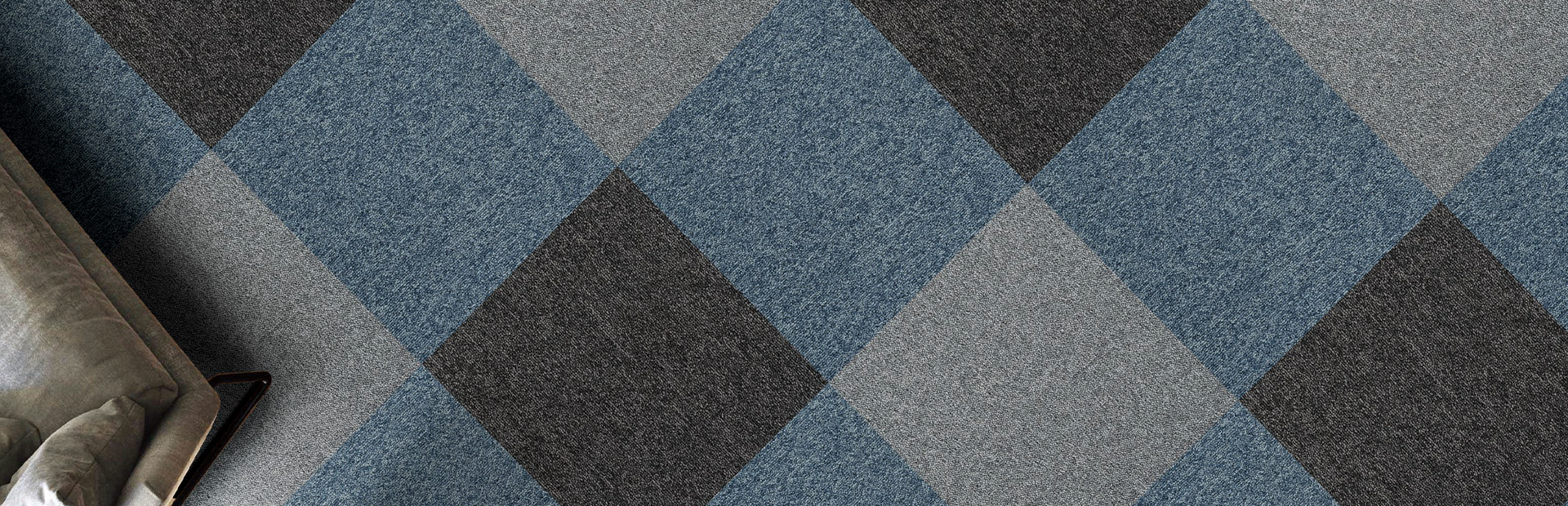
When it comes to design flexibility, carpet tiles offer a distinct advantage in hospitality settings. Their modular nature allows for creative patterns, shapes, and color combinations that can be tailored to specific areas like hotel lobbies or conference rooms. You can mix and match carpet tiles for hospitality to create visual interest and define zones without the constraints of a single, continuous carpet. Wall-to-wall carpets, while offering a seamless and plush look, are less adaptable once installed. They excel in large, open spaces where uninterrupted design is a priority, providing a luxurious underfoot experience that carpet tiles typically cannot match.
Carpet tiles generally cost less to install than wall-to-wall carpets due to their ease of handling and quicker installation process. Laying carpet tiles in hotels reduces labor hours and minimizes downtime in busy commercial carpet flooring areas. Moreover, carpet tiles for hotel projects generate less waste during installation—often just 1-3% compared to 5-25% for wall-to-wall carpets. This efficiency translates into lower disposal costs and less environmental impact. Wall-to-wall carpets, however, may have a higher upfront cost and require more skilled labor for precise seam placement and fitting, which can extend installation time.
Wall-to-wall carpets provide a continuous, cushioned surface that many find more comfortable underfoot. Their backing options often include thicker padding, enhancing the plush feel and reducing fatigue in hospitality environments. In contrast, carpet tiles for hospitality usually have pre-attached backing, which can feel firmer and less luxurious. However, advances in modular carpet tiles for hotels have improved comfort levels, with some products offering cushion backing or acoustic-optimized layers to enhance underfoot softness and noise reduction.
Carpet tiles significantly reduce waste during installation and maintenance. Since individual tiles can be replaced if damaged or stained, there is less need for complete floor replacement, cutting down on landfill contributions. Wall-to-wall carpets, once damaged, often require partial or full replacement, leading to more waste. Additionally, many carpet tiles for hospitality use environmentally friendly materials and backing options that avoid harmful substances like bitumen and PVC, aligning with growing sustainability goals in commercial carpet flooring projects.
Choosing between wall-to-wall carpets and carpet tiles depends on the specific hospitality space and its traffic demands. High-traffic areas such as hotel lobbies, corridors, and bars benefit from durable carpet tiles designed to withstand heavy use while allowing easy tile replacement. Wall-to-wall carpets suit quieter spaces like hotel rooms or upscale dining areas where comfort and seamless aesthetics are paramount. Commercial carpet tiles offer practical solutions for multi-use spaces where flexibility and maintenance efficiency are key.
Tufted carpets are the most common choice in hospitality carpet flooring, especially for commercial carpet tiles and hotel carpet tiles. They are made by stitching yarn into a backing material, which makes production fast and cost-effective. This construction allows for a wide range of designs, colors, and textures, making tufted carpet tiles for hospitality highly versatile.Benefits:
Cost-efficient: Tufted carpet tiles usually offer a lower price point, ideal for large-scale hotel carpet flooring projects.
Design flexibility: They come in many patterns and colors, allowing customization for hotel lobbies or hospitality areas.
Quick production: This helps meet tight deadlines in commercial carpet flooring installations.
Durability: Modern tufted carpet tiles for hospitality are engineered to withstand heavy foot traffic, making them suitable for busy hotel corridors and public spaces.
Limitations:
Wear resistance: While durable, tufted carpets may not match the longevity of woven carpets in extremely high-traffic areas.
Appearance: The surface might show wear sooner than woven carpets, especially in premium hospitality settings.
Woven carpets are crafted on looms, interlacing yarns tightly to create a dense, durable surface. They are often chosen for luxury hotel carpet flooring and high-end hospitality carpet tiles, where quality and longevity are top priorities.Advantages:
Exceptional durability: Woven carpets resist crushing and matting, ideal for prestigious hotel lobbies and upscale hospitality spaces.
Premium texture and feel: They offer a plush underfoot experience unmatched by other constructions.
Design detail: Woven carpets can feature intricate patterns and custom designs, perfect for exclusive hospitality environments.
Considerations:
Higher cost: Woven carpet tiles for hotels tend to be more expensive, reflecting their craftsmanship.
Longer lead times: Production and installation may take more time compared to tufted options.
Needle punched carpets are made by mechanically bonding fibers together using barbed needles. This construction is less common for hospitality carpet tiles but finds use in specific applications like entry mats or temporary commercial carpet flooring.Characteristics:
Colorfast and fade-resistant: Needle punched carpets handle sunlight and moisture well.
Low versatility: Limited design options and texture variety.
Durability: Suitable for low-traffic or utilitarian areas but not recommended for main hotel carpet flooring.
Carpet construction directly impacts how well hospitality carpet tiles hold up over time and how easy they are to maintain:
Tufted carpet tiles offer a balance of durability and cost, with moderate maintenance needs.
Woven carpet tiles provide superior durability and require less frequent replacement but demand more care to maintain their appearance.
Needle punched carpets require minimal maintenance but are less suitable for visible hospitality areas due to their limited aesthetic appeal.
Choosing the right construction ensures your carpet tiles for hospitality deliver the best return on investment and guest satisfaction.
For most hotel carpet flooring projects, tufted carpet tiles are the preferred choice due to their cost-effectiveness, design options, and durability. They suit high-traffic areas like hotel lobbies, corridors, and conference rooms.Woven carpet tiles are ideal for premium hospitality spaces where aesthetics and longevity are paramount, such as boutique hotel suites or luxury lounges.Needle punched carpet tiles serve well in utility zones, such as entrance mats or back-of-house areas, where function outweighs design.
When selecting carpet tiles for hotel or hospitality projects, several key properties must be carefully evaluated to ensure optimal performance, safety, and guest comfort. These factors influence durability, maintenance, and overall satisfaction within busy commercial carpet flooring environments.
Hospitality carpet tiles play a crucial role in controlling noise levels. They absorb sound effectively, reducing echoes and background noise common in bustling hotel lobbies, corridors, and conference rooms. Choosing carpet tiles with acoustic-optimized backing enhances this effect, creating quieter, more comfortable spaces for guests and staff alike.
Durability is paramount in hospitality settings due to high foot traffic. Look for carpet tiles certified under EN 1307, which classifies carpets by their usage level:
Class 31: Moderate use, suitable for hotel rooms.
Class 32: Normal use, ideal for restaurants and moderate traffic areas.
Class 33: Heavy use, recommended for hotel lobbies and busy corridors.
Additionally, the ISO 10361 Vettermann Drum test assesses a carpet tile’s resistance to wear and appearance retention, rated on a 1–5 scale. Selecting carpet tiles with high ratings ensures long-lasting performance in commercial carpet flooring.
Hospitality carpet tiles must withstand spills, dirt, and stains typical in hotels and restaurants. Many carpet tiles feature specialized stain-resistant treatments and soil-release fibers that simplify cleaning and maintain appearance. Opting for medium-tone colors can also help conceal dirt and stains, keeping hotel carpet flooring looking fresh between maintenance cycles.
Fire safety is a critical consideration. Carpet tiles for hospitality should comply with local fire regulations and have fire-retardant properties. Many products undergo rigorous testing to meet standards that slow flame spread and reduce smoke production, enhancing guest safety in emergencies.
Static electricity can be a nuisance in hospitality environments. Carpet tiles with permanent anti-static properties prevent shocks, protecting both guests and sensitive electronic equipment. Additionally, carpet fibers act as natural insulators, helping regulate room temperature and improving energy efficiency by retaining warmth underfoot.
Sustainability is increasingly important. Choose carpet tiles made from recycled or renewable materials and avoid those with harmful backing substances like bitumen or PVC. Many manufacturers now offer eco-friendly carpet tiles for hospitality that reduce environmental impact without compromising quality or durability.
Before selecting carpet tiles for hotel or hospitality projects, start by assessing the specific requirements of each space. Consider foot traffic levels, exposure to spills, and the function of the area—whether it’s a high-traffic hotel lobby or a quieter guest room. High-traffic zones demand durable carpet tiles for hospitality that resist wear and stains, while lounges or conference rooms might prioritize acoustic performance and design. Understanding space usage helps you choose the right commercial carpet flooring solution that balances durability, comfort, and aesthetics.
Once you narrow down your options, request samples of carpet tiles for hotel or wall-to-wall carpets. Test these onsite under the actual lighting conditions and during different times of day. This reveals how colors and textures appear in the real environment, ensuring design harmony. Testing also helps evaluate tactile comfort and slip resistance, critical for guest safety. Sampling multiple options allows stakeholders to compare materials, backing types, and maintenance requirements before committing.
Carpet backing plays a vital role in the overall performance of hospitality carpet tiles. Cushion or acoustic-optimized backing enhances noise reduction, crucial for busy hotel lobbies and corridors. It also improves underfoot comfort, reducing fatigue for staff and guests. Some backings offer enhanced durability and moisture resistance, extending carpet life in spill-prone areas like bars or restaurants. When planning your project, coordinate with suppliers to select backing that matches your acoustic, comfort, and durability goals.
A thorough flooring plan is essential to a successful carpet tiles installation guide. Map out carpet tile layout, seam placement, and pattern orientation to avoid mismatches and ensure a professional finish. For modular carpet tiles for hotels, consider how patterns flow between rooms or public spaces. Planning also includes identifying transition areas between carpet tiles and other flooring types. Share your detailed plan with installers and suppliers to align expectations and reduce errors during installation.
Effective communication between all parties is key. Engage suppliers early to confirm product availability, lead times, and delivery schedules. Collaborate with installers to discuss installation methods, adhesive types, and acclimatization needs. Include project managers and facility teams to coordinate access, timelines, and post-installation care. This teamwork minimizes disruptions in busy commercial carpet flooring environments and ensures the hospitality carpet tiles meet quality standards.
Hospitality carpet tiles often require acclimatization before installation to prevent issues like buckling or uneven seams. Typically, tiles should be stored onsite for 24 to 48 hours to adjust to room temperature and humidity. Coordinate installation timelines accordingly to allow this period. Also, plan for post-installation airing if adhesives are used, ensuring indoor air quality. Proper scheduling reduces installation problems and helps maintain the appearance and durability of your carpet tiles for hospitality.
In hospitality carpet flooring, knowing where wear and stains happen most helps target maintenance. High-traffic zones like hotel lobbies, corridors, and hotel lobby entrances face constant footfall, which can cause rapid wear. Stain-prone areas include dining spaces, bars, and near elevators, where spills and dirt accumulate. Using durable carpet tiles for hospitality in these spots ensures easier upkeep. Modular carpet tiles for hotels allow quick replacement of damaged sections without disrupting the entire floor, making them ideal for these challenging areas.
Regular cleaning keeps hospitality carpet tiles looking fresh and extends their life. Vacuuming daily removes surface dirt and prevents soil from settling deep into fibers. For spot stains, a prompt carpet tile cleaning guide is essential: blot spills immediately with a clean cloth, avoid rubbing, and use manufacturer-recommended cleaning agents. For hotel carpet tiles, especially in commercial carpet flooring areas, employing low-moisture or dry cleaning methods helps prevent moisture damage and shrinkage. Routine professional cleaning every few months maintains appearance and hygiene.
One major advantage of carpet tiles for hotel or hospitality projects is modularity. When a tile is stained or worn beyond repair, it can be removed and replaced individually, minimizing downtime and cost. In contrast, wall-to-wall carpets often require patching or full replacement in affected areas, which is labor-intensive and costly. This modularity also reduces waste, as only damaged tiles are discarded. For busy commercial carpet flooring environments, this means less disruption and a more cost-effective maintenance strategy.
Preventive care boosts the longevity of hospitality carpet tiles. Installing entrance mats reduces tracked-in dirt and moisture. Choosing medium-tone patterns or colors helps conceal soil and stains between cleanings. Rotating tiles in less busy areas evens out wear. Using carpet protectors under heavy furniture prevents crushing. Educating staff on proper cleaning techniques and scheduling regular inspections ensures early detection of damage. These steps preserve the look and function of hotel carpet flooring over time.
Balancing maintenance costs with carpet longevity is key. Investing in durable carpet tiles for hospitality reduces frequent replacements. Implementing a cleaning schedule focusing on high-traffic and stain-prone zones optimizes labor. Training cleaning staff on carpet tile cleaning guides improves efficiency and results. Utilizing modular carpet tiles for hotels cuts costs by enabling spot repairs. Finally, partnering with experienced commercial carpet flooring professionals ensures maintenance aligns with manufacturer recommendations, protecting warranty and performance.
When budgeting for hotel carpet flooring, understanding the cost differences between carpet tiles and wall-to-wall carpets is essential. Carpet tiles generally offer a more budget-friendly option due to their modular nature and simpler installation process. They often require less labor, which reduces installation time and costs in commercial carpet flooring projects. In contrast, wall-to-wall carpets tend to have higher upfront costs, partly because of the complex fitting and finishing required.
Carpet Tiles: Typically priced lower per square meter, with savings on installation and less waste generated.
Wall-to-Wall Carpets: Higher material and installation costs, plus additional expenses due to waste (5-25%) during cutting and fitting.
The type of carpet construction and fiber used significantly influences pricing:
Tufted carpet tiles offer cost-effective options with good durability.
Woven carpets command premium prices, suitable for upscale hospitality areas.
Fiber types: Nylon tends to be pricier than polyester or polypropylene but offers better durability and stain resistance, which can reduce long-term costs.
Custom-designed carpet tiles for hospitality projects can increase costs, especially when incorporating unique patterns, logos, or brand colors. Complex layouts or special shapes like hexagons may add to installation time and expense. However, carpet tiles still provide more flexibility and cost control compared to custom wall-to-wall carpets.
Carpet tiles installation in hotels usually requires less adhesive and labor, reducing both direct costs and downtime. The modular format means damaged tiles can be replaced individually, minimizing long-term maintenance expenses. Waste management costs are also lower, as carpet tiles produce only 1-3% waste, compared to 5-25% for wall-to-wall carpets.
While wall-to-wall carpets may offer a plush feel, carpet tiles provide superior lifecycle value in high-traffic hospitality environments. Their durability, ease of replacement, and maintenance efficiencies often lead to lower total cost of ownership. Investing in durable carpet tiles for hospitality can reduce refurbishment frequency and improve guest satisfaction by maintaining a fresh appearance.
Selecting hospitality carpets requires balancing aesthetics, durability, and budget to meet project needs. Carpet tiles offer flexibility, easy maintenance, and design versatility for modern hospitality spaces. They reduce waste and installation time while enhancing durability in high-traffic areas. For a successful carpet project, plan carefully, test samples onsite, and coordinate installation with professionals. Hubei Linkun Hongyuan Carpet Corp. provides high-quality carpet tiles designed for hospitality, delivering value through durability, design options, and efficient maintenance.
A: Carpet tiles are modular squares designed for easy installation and replacement. They are preferred in hotel carpet flooring due to their durability, cost-effectiveness, and flexibility, especially in high-traffic hospitality areas like lobbies and corridors.
A: Installing carpet tiles in hotels is faster and less disruptive, often requiring minimal adhesive or peel-and-stick backing. This modular approach simplifies repairs and pattern alignment compared to the more labor-intensive wall-to-wall carpet installation.
A: Regular vacuuming, prompt stain removal following a carpet tile cleaning guide, and replacing damaged tiles individually are key maintenance tips. Modular carpet tiles for hotels make upkeep easier and reduce downtime.
A: Durable carpet tiles for hospitality, especially tufted construction with stain-resistant fibers and acoustic backing, are ideal for busy spaces like hotel lobbies and commercial carpet flooring zones.
A: Carpet tiles generally have lower upfront and installation costs due to faster laying and less waste (1-3%). They also offer long-term savings through easier maintenance and tile replacement, making them budget-friendly for hospitality projects.


