

Views: 0 Author: Site Editor Publish Time: 2025-12-09 Origin: Site
Carpet tiles have become a popular choice for both residential and commercial spaces due to their versatility and ease of installation. However, a key question often arises: what is the life expectancy of carpet tiles? In this article, we will explore the factors that affect their lifespan and how you can extend their durability.
By understanding these factors, you will learn how to make the most out of your investment in carpet tiles. LKHY offers high-quality carpet tiles designed to ensure long-lasting performance and comfort for any space.
The amount of foot traffic that carpet tiles are exposed to plays a significant role in their lifespan. High-traffic areas, such as hallways, office spaces, or commercial settings, will naturally cause more wear and tear. In these environments, carpet tiles might last 5-10 years. In comparison, residential spaces with low foot traffic can see carpet tiles lasting up to 20 years or more.
Carpet tiles in spaces like retail stores, airports, or office buildings are subjected to constant foot traffic, heavy use, and potential damage from moving furniture and equipment. The more frequently they are walked on, the faster the fibers break down, leading to the need for replacement.
Area Type | Lifespan Estimate |
High-Traffic Areas | 5-10 years |
Low-Traffic Areas | 15-20 years or more |
Commercial Spaces | 5-10 years |
Carpet tiles come in various materials, including nylon, polypropylene, and wool, each with its level of durability. Nylon is known for its durability and resistance to abrasion, making it ideal for commercial settings. Polypropylene tiles, while more affordable, are typically less durable. Wool tiles offer a luxurious feel but may wear out more quickly in high-traffic areas.
Nylon carpet tiles are often the go-to for areas with heavy foot traffic. They offer enhanced durability and better resistance to stains and dirt, which helps to prolong their lifespan. On the other hand, polypropylene tiles, though more cost-effective, may not withstand heavy wear as well and may start to show signs of damage sooner. Wool tiles, while plush and comfortable, may not be the best option for commercial areas due to their tendency to wear down under heavy usage.
Temperature and humidity can significantly impact the life expectancy of carpet tiles. In climates with extreme humidity or temperature fluctuations, the material may expand and contract, leading to wear and potential damage. Maintaining a consistent room temperature and humidity level can help preserve the condition of the carpet tiles.
Excessive moisture or high humidity can cause the backing of the carpet tiles to weaken, leading to the tiles shifting or detaching. Extreme heat can cause the tiles to become brittle over time. To prevent these issues, it is essential to install carpet tiles in a controlled environment where temperature and humidity are monitored.
Maintaining a consistent room temperature and humidity level can help preserve the condition of the carpet tiles, preventing premature aging and ensuring they last longer.
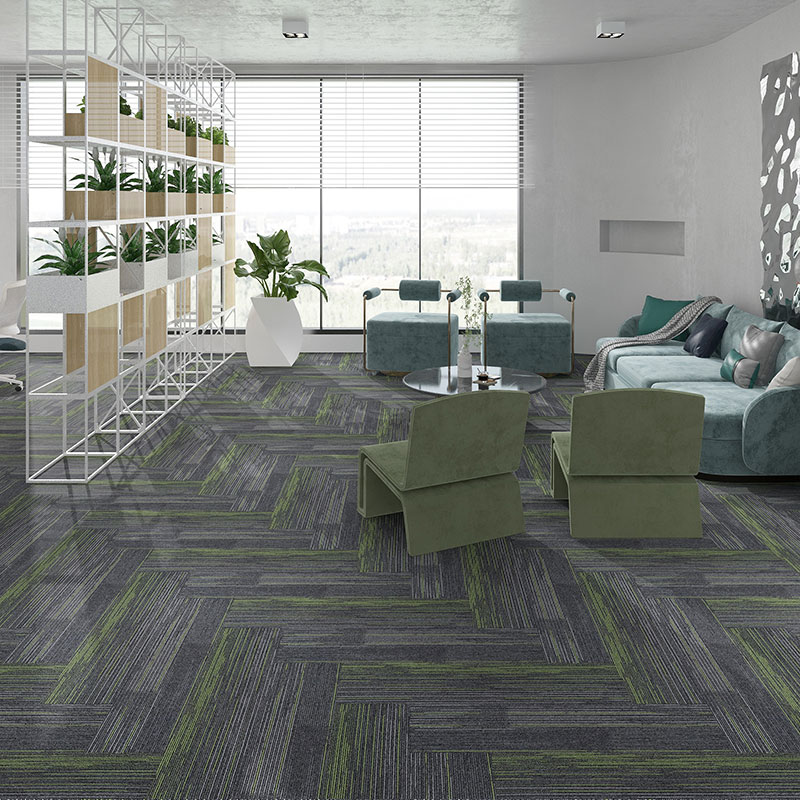
Nylon is one of the most durable materials used for carpet tiles. It is highly resistant to abrasion, staining, and crushing, which makes it an ideal choice for high-traffic areas like offices, airports, and retail spaces. Nylon carpet tiles are also known for their resilience, maintaining their appearance over time even in challenging environments. When properly maintained, nylon carpet tiles can last 10-15 years or even longer, making them a long-term investment for commercial and residential spaces.
Polypropylene is a more affordable material compared to nylon, but it is less durable. While polypropylene carpet tiles are resistant to moisture and staining, they are not as resilient as nylon and may wear out faster under heavy foot traffic. Polypropylene tiles typically last 5-8 years in high-traffic settings. However, they can be a great option for residential spaces, home offices, or areas with lighter foot traffic due to their cost-effectiveness and moisture-resistant properties.
Wool carpet tiles offer luxurious comfort and are often used in residential settings. Wool is a natural fiber known for its softness and excellent insulation properties, providing a cozy feel underfoot. However, wool carpet tiles are not as durable as synthetic materials like nylon or polypropylene and may need to be replaced more frequently in high-traffic areas. Typically, wool tiles last around 5-7 years, making them ideal for low-traffic spaces but less suited for areas with heavy footfall. Wool’s environmental benefits and luxurious feel, however, make it a sought-after option for residential areas that prioritize comfort over longevity.
For carpet tiles to last longer, proper subfloor preparation is essential. The subfloor must be clean, dry, and level to ensure that the tiles adhere properly and don't shift over time. Any imperfections in the subfloor can lead to gaps between tiles or prevent them from staying in place.
The installation method you choose for your carpet tiles can also affect their lifespan. Tiles installed with adhesive will typically stay in place longer, especially in high-traffic areas. Loose-lay installation, while quicker and easier, may not offer the same level of stability and could result in tiles shifting or becoming damaged more quickly.
One of the benefits of carpet tiles is their modular design, which allows for easy replacement of individual tiles. If one tile becomes worn or damaged, it can be swapped out without the need to replace the entire floor. This can significantly extend the overall lifespan of your carpet flooring.
Regular vacuuming is one of the most effective ways to extend the life of carpet tiles. Dirt and debris can wear down the surface of the tiles, leading to premature damage. Vacuuming regularly helps prevent dirt from settling deep into the fibers, keeping your carpet tiles looking fresh and clean while reducing long-term wear.
While carpet tiles are more resistant to stains than traditional carpets, prompt cleaning of spills is essential to prevent permanent stains. Using the right cleaner for the specific material of your carpet tiles ensures they remain in excellent condition and helps retain their appearance over time. Regular spot cleaning also reduces the need for extensive deep cleaning, preserving the tile’s quality.
One of the main benefits of carpet tiles is their modular design, which makes replacing a single tile easy and cost-effective. If a tile becomes damaged, stained, or worn out, you can simply swap it out without the need to replace the entire floor. This not only saves you money but also allows for quick repairs, maintaining the overall quality and appearance of the floor.
In high-traffic areas, carpet tiles tend to last longer than traditional broadloom carpets. While traditional carpets may require full replacement when worn, carpet tiles can be easily replaced individually. For commercial spaces that experience constant foot traffic, carpet tiles are often the more durable choice.
Although carpet tiles may have a higher upfront cost compared to traditional carpets, their ability to be replaced individually and their durability in high-traffic areas make them a more cost-effective choice in the long run. With carpet tiles, you only need to replace the damaged areas, saving on both installation and replacement costs.
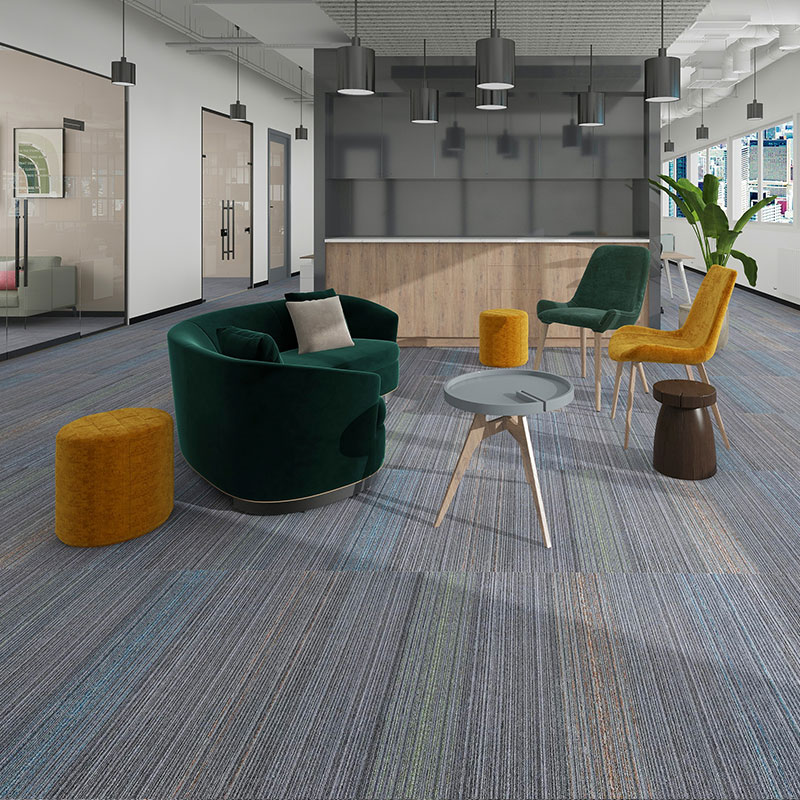
Underlay plays a crucial role in enhancing the lifespan of carpet tiles. By providing additional cushioning and support, underlay helps distribute foot traffic evenly, reducing the strain on individual tiles. This even distribution prevents tiles from shifting, buckling, or becoming misaligned, which can ultimately extend their life. Furthermore, underlays offer sound insulation and moisture resistance, which are particularly beneficial in high-traffic areas or spaces prone to humidity. These added features make underlay an essential element in ensuring long-lasting, durable carpet tile installations.
Different types of underlay cater to various needs, providing different benefits depending on the application. Foam underlay is an affordable option that works well in residential spaces. It enhances comfort, reduces noise, and offers good cushioning. For high-traffic commercial spaces, rubber underlay is a more durable choice. It provides superior moisture resistance and wear resistance, making it ideal for areas where longevity and performance are essential. Cork underlay is another excellent option, combining natural insulation properties with sustainability, making it perfect for eco-conscious buyers while providing effective soundproofing and temperature regulation.
The life expectancy of carpet tiles is influenced by material quality, installation methods, foot traffic, and maintenance. With proper care, they can last from 5 to 20 years, making them a durable and cost-effective flooring option. By investing in high-quality carpet tiles, using the right underlay, and maintaining them regularly, you can maximize their lifespan for both residential and commercial spaces.
LKHY offers durable carpet tiles designed for long-lasting performance, ensuring both comfort and functionality for any space.
Tip: For commercial and high-traffic areas, choose carpet tiles made from durable materials like nylon, and ensure they are installed with the right underlay for long-lasting performance.
A: The life expectancy of carpet tiles typically ranges from 5 to 20 years. High-traffic areas may see a lifespan of 5-10 years, while low-traffic spaces can last 20 years or more.
A: Regular cleaning, proper installation, and using the right underlay can significantly extend the life of carpet tiles. Choosing durable materials like nylon also helps in high-traffic areas.
A: Yes, carpet tiles tend to last longer than traditional carpets, especially in high-traffic areas. Their modular design allows for individual tile replacement, reducing the need for full carpet replacement.
A: The material composition of carpet tiles, such as nylon, polypropylene, or wool, impacts their durability. Nylon is the most durable, ideal for high-traffic areas, while polypropylene is more affordable but less long-lasting.


