

Views: 0 Author: Site Editor Publish Time: 2025-12-11 Origin: Site


Carpet rolls have gained popularity in both residential and commercial spaces due to their expansive coverage, seamless appearance, and long-term cost savings. But one question often arises: What do you put under carpet rolls? The right underlay can significantly enhance the comfort, sound insulation, and lifespan of your flooring. In this article, we will explore what to place under carpet rolls, the different types of underlayment available, and when it's necessary to use them. LKHY provides high-quality carpet rolls that offer both durability and ease of maintenance, ensuring your flooring remains secure and comfortable.
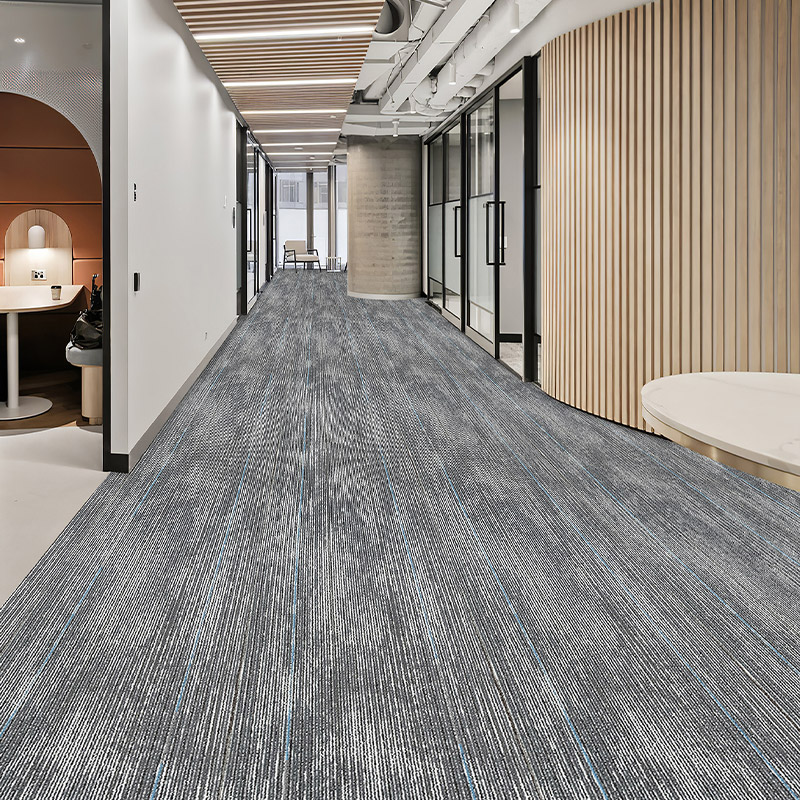
Underlay provides essential comfort, cushioning the feet and reducing fatigue in areas where you stand for long periods. Carpet rolls, by themselves, can feel hard or cold, especially on surfaces like concrete. Using a suitable underlay adds softness and comfort.
Underlay also helps reduce noise transmission, making it an excellent choice for multi-story buildings or commercial spaces. It minimizes footstep noise, making your environment quieter and more peaceful. This is particularly valuable in open office environments or homes with children.
Underlay enhances thermal insulation by helping keep rooms warm during the winter and cool in the summer. For businesses and homes with high energy costs, an underlay can be a practical investment that contributes to energy efficiency.
Foam underlay is one of the most common and affordable options for residential spaces. It provides excellent comfort and cushioning underfoot, making it an ideal choice for areas like living rooms and bedrooms where comfort is a priority. The lightweight nature of foam underlay also makes it easy to handle during installation, which is why it's popular for DIY projects. It not only improves comfort but also reduces noise, especially in apartments or homes with multiple floors. Foam underlay is generally compatible with most carpet rolls, offering a good balance between performance and cost.
Rubber underlay is a durable, resilient option that's particularly suited for high-traffic areas. Known for its moisture resistance, rubber underlay is ideal for places like kitchens, bathrooms, or commercial spaces where spills or high humidity are common. Its high density makes it effective in providing support to carpet rolls, reducing wear and extending their lifespan. Additionally, rubber underlay excels in soundproofing, making it perfect for noisy environments, such as offices, schools, or busy commercial spaces. It provides superior protection against impacts, ensuring the carpet rolls stay securely in place and maintain their integrity over time.
Cork underlay is a sustainable, eco-friendly option for those looking to minimize their environmental impact. It provides excellent sound insulation, making it a great choice for residential spaces where noise reduction is a priority. Cork is a natural material that contributes to the overall insulation of a room, helping to maintain a comfortable temperature throughout the year. In the summer, it helps keep spaces cool, while in winter, it retains heat, making it an energy-efficient choice. Its natural properties also make it resistant to moisture and mildew, helping to maintain a fresh and clean environment. Cork underlay works well in residential spaces such as living rooms, bedrooms, and home offices.
| Underlay Type | Best For | Key Benefits |
| Foam Underlay | Residential spaces | Comfort, noise reduction, affordability |
| Rubber Underlay | High-traffic areas, kitchens, bathrooms | Moisture resistance, durability, soundproofing |
| Cork Underlay | Residential spaces, eco-conscious homes | Sound insulation, temperature regulation, sustainability |
Underlay should always be used when installing carpet rolls over concrete floors. Concrete is inherently cold and hard, which can make it uncomfortable to walk on, especially in colder climates. The underlay provides additional warmth and comfort, transforming the flooring into a more pleasant surface. Beyond comfort, underlay also offers a better foundation for the carpet to adhere to, reducing the risk of movement or slippage over time. Additionally, it prevents the carpet from coming into direct contact with moisture from the concrete, which can degrade the carpet and lead to unpleasant odors.
If you're installing carpet rolls over wooden floors that have imperfections, gaps, or inconsistencies in height, underlay becomes essential. Wooden floors, especially older ones, are often uneven, and this can cause the carpet to shift, buckle, or even detach over time. Using underlay fills in those uneven areas, creating a smoother surface for the carpet to rest on. It also ensures that the carpet remains level and secure, even in rooms with uneven subfloors. This helps to prevent the carpet from shifting out of place and ensures a longer-lasting installation.
In areas prone to moisture, such as basements, kitchens, or bathrooms, underlay acts as a crucial moisture barrier between the carpet and the subfloor. Concrete or wooden floors in these environments can be susceptible to moisture buildup, which can lead to mold, mildew, or water damage. Underlay provides an additional layer of protection by preventing moisture from seeping into the carpet and subfloor. This is especially important in basements, where high humidity levels are common. The right underlay not only keeps your flooring secure but also helps maintain a healthy, dry environment by acting as a protective barrier against water-related damage.
The first step is to prepare the subfloor. Clean the area thoroughly, removing dust, dirt, or debris. If the subfloor is uneven, use a leveling compound to smooth out imperfections. A clean, dry, and level subfloor is crucial for ensuring the carpet stays in place and performs well.
Once the subfloor is prepped, roll out the underlay from one corner of the room. If necessary, cut it to fit using scissors or a utility knife. Ensure the underlay is flat, with no wrinkles, and secure the edges with adhesive or double-sided tape. Overlap seams slightly to prevent gaps.
After the underlay is in place, begin installing the carpet roll. Start in one corner and align the carpet with the edges of the room. Roll out the carpet and use a knee kicker or power stretcher to secure it and ensure it's taut. Trim the carpet at the edges if necessary. For added security, use tack strips around the perimeter.

For long-lasting performance, regular cleaning is essential. Vacuum the carpet frequently to remove dirt and debris. You can clean the underlay by vacuuming or using a soft brush to keep it in top condition.
Inspect the floor periodically to ensure that moisture isn't seeping through. If moisture is detected, check if the underlay has absorbed water. This could affect the performance of your carpet, so it's essential to address moisture issues promptly.
One of the benefits of carpet rolls is their seamless look, but for repairs, you may need to patch or replace damaged sections of the carpet.
The primary reason carpet rolls stay in place is the installation method. They are typically stretched and secured using tack strips installed around the perimeter of the room. The tack strips grip the backing of the carpet, holding it firmly against the floor. This stretching and securing process minimizes shifting and wrinkling.
In some installations, particularly commercial or high-traffic areas, an adhesive is applied to the subfloor or underlay to further stabilize the carpet. Using a strong adhesive will ensure that the carpet remains firmly in place, preventing it from shifting or buckling over time. Many carpet manufacturers offer specialized adhesives that are designed specifically for their carpet, ensuring optimal adhesion and long-term durability.
The weight of the carpet roll itself plays a crucial role in keeping it in place. Heavier carpet is less likely to shift, making it a good choice for high-traffic areas where there is constant foot traffic. The weight helps the carpet stay firmly anchored to the floor, especially when it is installed correctly and placed in areas that aren't prone to moisture or excessive movement. Additionally, the density of the material used in the carpet, such as wool or high-quality nylon, contributes to its ability to stay securely in place over time.
Using a high-quality underlay further enhances the ability of carpet rolls to remain securely in place. Underlay provides extra support by cushioning the carpet and offering additional stability. It helps create an even surface, which prevents the carpet from moving or buckling. Underlay also adds comfort underfoot and can improve sound insulation and thermal resistance. When combined with the right underlay, carpet rolls become even more stable, ensuring that your flooring remains intact and performs well for years to come.
In conclusion, choosing the right underlay for carpet rolls is crucial to ensuring that they stay in place, offer comfort, and provide long-term durability. Whether you’re installing carpet rolls over concrete or wooden floors, using the correct underlay will maximize the performance of your flooring. LKHY offers high-quality carpet rolls designed for durability and easy maintenance, making them an excellent choice for both residential and commercial spaces. By combining LKHY’s reliable carpet rolls with the appropriate underlay, you can achieve a comfortable, functional, and stylish floor solution for any space.
A: While it's technically possible, using an underlay is highly recommended for carpet rolls to improve comfort, noise reduction, and overall performance, and it is standard practice for wall-to-wall installations.
A: The best underlay depends on your space. For high-traffic areas, rubber underlay is ideal due to its durability. For comfort and noise reduction, foam or cork underlay are great options.
A: Regular cleaning of both the carpet and underlay is essential. Vacuum the carpet frequently, and check for moisture to ensure long-lasting performance.
Would you like me to generate a new title and meta description for this revised article to improve its SEO performance?


