

Views: 0 Author: Site Editor Publish Time: 2025-12-25 Origin: Site


Selecting the right flooring for high-traffic commercial spaces can feel overwhelming. With so many options, it's important to find materials that balance durability, style, and easy maintenance. Carpet tiles are an excellent solution for businesses seeking this perfect blend. In this article, you will learn why carpet tiles are ideal for high-traffic areas and how to choose the best ones. We’ll also cover the numerous benefits they offer for commercial spaces.
Carpet tiles are engineered to withstand the wear and tear that comes with high foot traffic. Commercial spaces, especially offices, retail stores, and healthcare facilities, often see significant footfall, making it essential to invest in flooring that can hold up. Carpet tiles are made with tough fibers, often nylon or polyester, that resist crushing and fading over time. Unlike broadloom carpets, which can sag or get damaged in certain spots, carpet tiles allow for individual replacements, which helps prolong the life of the overall flooring.
One of the greatest benefits of carpet tiles is the simplicity of installation. Unlike traditional carpets, which require full coverage of the floor, carpet tiles are easy to fit in any space. They can be laid down in small sections, making the process faster and less disruptive. Moreover, if one tile gets damaged, it can be replaced without disturbing the rest of the flooring.
Carpet tiles offer an extensive range of design options. You can choose from a variety of colors, patterns, and textures to match your company’s aesthetic or branding. Whether you need something subtle or a statement design, carpet tiles provide the flexibility to personalize your space without compromising on durability.
Tip: Consider using different tile colors or patterns to define specific zones in open-plan offices or retail spaces.
Understanding the foot traffic in your commercial space is crucial in selecting the right carpet tiles. High-traffic areas, such as lobbies, hallways, or reception areas, require flooring that can endure constant pressure. Look for carpet tiles with high abrasion resistance, especially those rated for heavy commercial use.
Carpet tiles come in various materials, each with its own set of characteristics. The most common materials used for commercial-grade carpet tiles are:
Material | Durability | Best For | Pros | Cons |
Nylon | High durability | High-traffic areas, offices, retail spaces | Resilient, wear-resistant, long-lasting | More expensive than other options |
Polyester | Moderate durability | Areas with lower traffic | Affordable, vibrant color options | Less durable, more prone to matting |
Wool | High durability | Premium spaces like high-end offices | Luxurious feel, natural material, eco-friendly | Expensive, requires more maintenance |
Tip: For areas with heavy foot traffic, always choose nylon carpet tiles, as they provide the best balance between durability and comfort.
Color and pattern are important considerations for commercial spaces. Darker colors are typically chosen for their ability to hide dirt and stains, while lighter shades can create a more open and airy feel. Patterns can also be used strategically to guide traffic flow or highlight different areas within a space.
Carpet tiles provide added comfort and noise reduction, making them an ideal choice for spaces that require quiet environments. Offices, libraries, and hospitals benefit from carpet tiles that can absorb sound, reducing echo and creating a more peaceful atmosphere.
Commercial spaces are prone to dirt and debris. Carpet tiles, however, are designed to be easy to maintain. They can be vacuumed regularly, and in the case of spills, individual tiles can be removed and cleaned or replaced as needed. This ease of cleaning ensures that your flooring stays fresh and presentable for longer.
While carpet tiles may seem like a more expensive initial investment, they are cost-effective in the long term. Since you only need to replace the damaged tiles, not the entire carpet, it reduces maintenance costs. Additionally, carpet tiles are more affordable to install than traditional carpets, especially in large spaces.
Carpet tiles can contribute to better indoor air quality by trapping dust, allergens, and other particles that might otherwise float in the air. Some carpet tiles come with additional features such as antimicrobial treatments or low-VOC options, making them a healthier choice for indoor spaces.
For office spaces, you need carpet tiles that are durable, professional-looking, and comfortable. Choose materials that are soft to walk on but tough enough to withstand the wear and tear from chairs, foot traffic, and office equipment. Nylon tiles are often the best option for high-traffic office areas, such as lobbies and hallways.
Retail spaces and hotels demand carpet tiles that combine style and functionality. The flooring should be durable enough to handle a large volume of foot traffic while complementing the interior design. Choose colors and patterns that align with the brand’s aesthetic but also consider materials that resist dirt and stains.
Healthcare facilities require flooring that is not only durable but also hygienic. Carpet tiles made with antimicrobial treatments or easy-to-clean materials are ideal for hospitals, clinics, and medical offices. The tiles should also be resistant to staining, as medical environments can be prone to spills.
Tip: Opt for carpet tiles with built-in antimicrobial protection for healthcare environments.
Proper subfloor preparation is essential for the longevity and performance of carpet tiles. Ensure that the subfloor is clean, dry, and free from debris before installation. A smooth, level surface will help the tiles adhere better and last longer.
While carpet tiles are easy to install and often a DIY-friendly option, professional installation ensures that the job is done correctly, especially in large or complex spaces. Hiring a professional can save you time and ensure a smooth, long-lasting installation.
Once your carpet tiles are installed, regular maintenance is key to keeping them in top condition. Vacuuming regularly, addressing stains quickly, and rotating tiles as needed can help extend the life of your flooring.
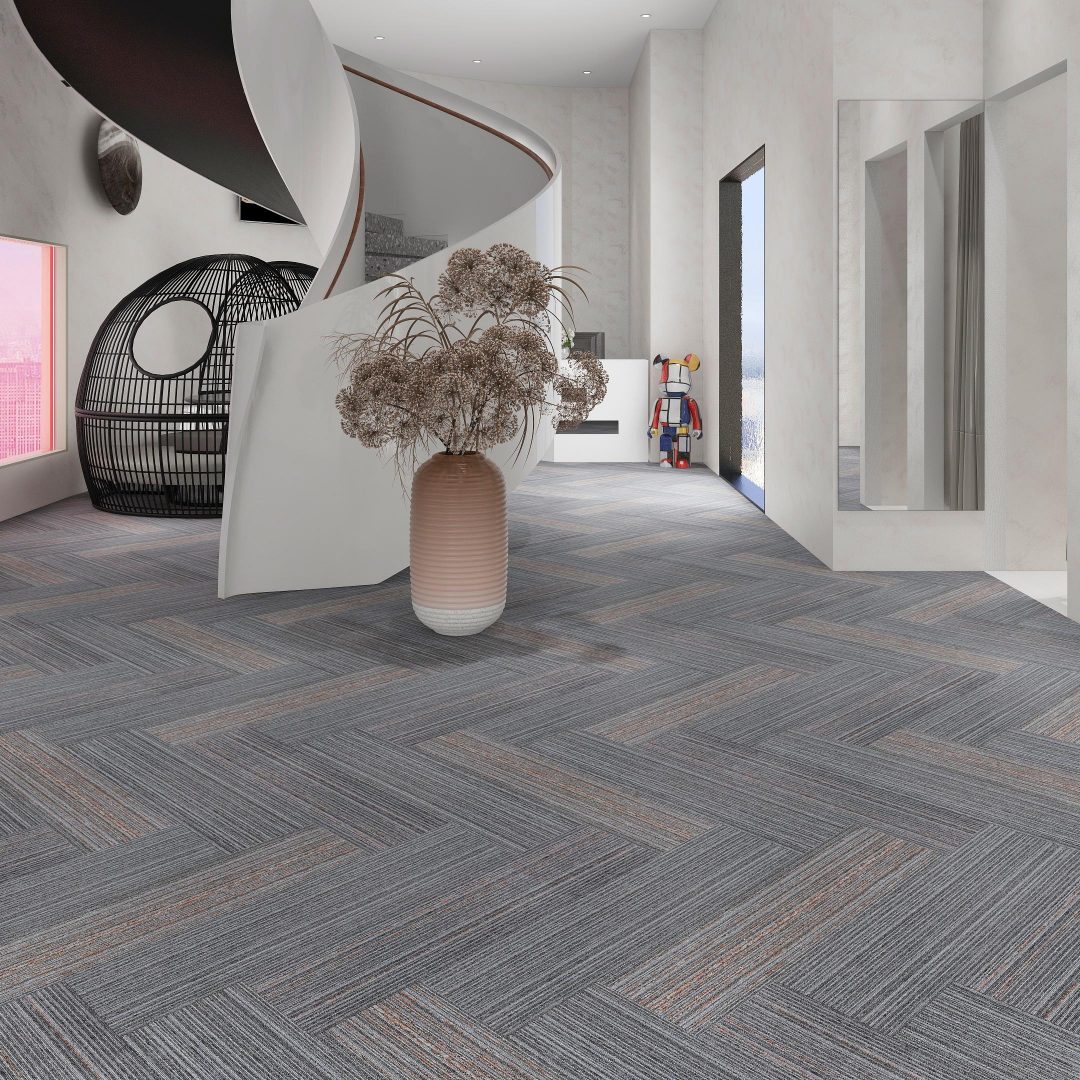
Carpet tiles made from sustainable materials, such as recycled fibers or renewable resources, are an excellent choice for businesses aiming to reduce their environmental footprint. Many carpet tile manufacturers offer eco-friendly options that are just as durable and attractive as conventional tiles.
Carpet tiles can be recycled at the end of their life, making them a more sustainable flooring option. Many manufacturers have take-back programs that allow businesses to return used tiles for recycling, ensuring that the materials are repurposed rather than ending up in landfills.
Note: Check with your supplier to see if they offer a recycling program for used carpet tiles.
Carpet tiles are a versatile, durable, and cost-effective flooring solution for high-traffic commercial spaces. At LKHY Carpet, we provide end-to-end support, from idea selection to custom carpet branding, ensuring you can bring your ideas to life. With easy installation, long-term maintenance benefits, and customization options, carpet tiles can meet the needs of a variety of commercial environments. Whether you’re outfitting an office, a retail space, or a healthcare facility, carpet tiles offer the perfect blend of functionality and style. By choosing the right materials and designs, you can create a space that not only looks great but also stands up to the demands of heavy foot traffic.
A: Carpet tiles are modular pieces of flooring made from carpet material that can be installed individually, providing flexibility in design, installation, and replacement in high-traffic commercial spaces.
A: Carpet tiles are durable, easy to maintain, and can be replaced individually, making them perfect for high-traffic areas where traditional carpets may wear out quickly.
A: Carpet tiles are easy to install by interlocking or gluing them directly to the floor. It’s a simple, DIY-friendly process that can be completed with minimal disruption to the space.
A: Yes, carpet tiles can be cost-effective as they reduce installation and replacement costs. Since only damaged tiles need to be replaced, maintenance costs are lower compared to traditional carpets.
A: Yes, carpet tiles help reduce noise by absorbing sound, making them ideal for offices, libraries, or healthcare facilities where a quieter environment is needed.


