

Views: 0 Author: Site Editor Publish Time: 2025-12-29 Origin: Site


Choosing the right flooring is crucial for your retail space. It creates the first impression for your customers. Among many options, carpet tiles strike the perfect balance of aesthetics, durability, and practicality. In this article, we will discuss how to choose the right carpet tiles. You will learn about key factors like traffic volume, maintenance, and design considerations.
Carpet tiles are individual pieces of carpet, typically square or rectangular, that are installed in a modular fashion. Unlike traditional wall-to-wall carpeting, carpet tiles offer a flexible and customizable flooring solution, making them perfect for retail spaces with unique needs. These tiles are often backed with adhesive, and installation is straightforward, which makes them easier to replace or repair.
The construction of carpet tiles typically includes a durable backing, pile (which provides the texture), and the face fiber (the material that makes up the carpet's surface). Common materials for carpet tiles include nylon, polyester, and wool, each offering distinct benefits in terms of durability, texture, and price.
Material | Durability | Comfort | Ideal For |
Nylon | High | Moderate | High-traffic areas |
Polyester | Moderate | Moderate | Budget-conscious retail |
Wool | High | High | Luxury stores |
Carpet tiles offer numerous benefits for retail environments. Some of the primary advantages include:
● Durability: Carpet tiles are built to withstand high traffic, making them ideal for retail spaces. Their individual tiles can handle wear and tear better than traditional carpeting, and they can be easily replaced if damaged.
● Easy Installation: Carpet tiles can be installed without the need for glue or adhesives, which reduces downtime for your business. This is particularly important for retail spaces that cannot afford extended closure times.
● Low Maintenance: Carpet tiles are easy to clean and maintain. Most tiles can be vacuumed and spot-cleaned, and individual tiles can be replaced if they get stained or damaged.
Despite their many benefits, there are some misconceptions about carpet tiles. Here are a few myths debunked:
● "Carpet Tiles Aren’t Durable Enough": Many assume carpet tiles are flimsy, but in reality, they’re just as durable—if not more so—than traditional carpet.
● "Carpet Tiles Are Hard to Match": Modern carpet tiles come in a wide range of colors and patterns, making it easy to match them with any retail theme or decor.
One of the most important factors when choosing carpet tiles is the amount of foot traffic your space experiences. High-traffic areas, such as entrances, aisles, and checkout zones, require more durable options. Nylon and other synthetic fibers are a great choice for these areas due to their strength and resistance to wear.
Area Type | Recommended Tile Material |
High Traffic Areas | Nylon, Wool |
Moderate Traffic | Polyester, Nylon |
Low Traffic | Polyester, Wool |
For spaces with moderate traffic, you may opt for polyester tiles, which offer a good balance of affordability and durability. Consider the tile’s fiber density as well—denser fibers tend to be more durable and long-lasting.
The appearance of your carpet tiles can make or break your store’s visual appeal. The right colors and patterns can enhance the atmosphere, complement your branding, and even guide customer movement.
● Color: Neutral colors like gray, beige, or navy work well in most retail settings, but vibrant, brand-specific colors can be effective for more trendy or youthful spaces.
● Pattern: Patterned tiles can create visual interest and hide dirt and stains better than solid colors. You can also combine different patterns to create a custom design.
Color Options | Best For |
Neutral Shades | Corporate, Classic |
Vibrant Colors | Trendy, Youthful Brands |
Patterned Tiles | High-traffic areas |
Carpet tiles offer excellent sound-absorbing properties, which is essential in busy retail spaces. The ability to reduce noise enhances customer experience and creates a more pleasant shopping environment.
In addition to acoustic benefits, carpet tiles also provide comfort underfoot, which is especially important for retail staff who spend long hours standing or walking. This added comfort can make a big difference in employee satisfaction and productivity.
Feature | Benefit |
Acoustic Properties | Reduces noise, enhances ambiance |
Comfort Underfoot | Increases employee satisfaction |
Compared to traditional carpeting, carpet tiles are much easier to install and maintain. Installation can often be done overnight, minimizing disruption to your business. The tiles can be replaced individually, which reduces the need for extensive downtime if damage occurs.
Maintenance is also simpler—routine vacuuming and occasional deep cleaning should keep your carpet tiles looking their best. In case of a stain or wear in specific areas, you can swap out the damaged tiles without needing to replace the entire floor.
Standard carpet tiles are versatile and commonly used for retail spaces with moderate to high traffic. These tiles are available in a variety of textures and colors, offering flexibility in design while maintaining durability. They are typically constructed from durable synthetic fibers like nylon or polyester.
Tile Type | Best For | Benefits |
Standard Carpet Tiles | Most retail spaces | Affordable, easy to maintain |
Luxury Vinyl Tiles (LVT) | Upscale retail, boutiques | Durable, stylish |
Luxury Vinyl Tiles (LVT) combine the aesthetic appeal of carpet with the durability and functionality of vinyl. LVT is ideal for upscale retail environments or stores that need a more luxurious feel while maintaining the practicality of carpet tiles. These tiles are water-resistant, making them perfect for high-end clothing stores or areas where spills are common.
In specialized retail spaces, such as electronics stores or labs, anti-static and stain-resistant carpet tiles are a must. These tiles help protect sensitive equipment from electrical interference while offering easy maintenance in high-traffic areas where spills and stains are likely.
When choosing carpet tiles for your retail space, balancing cost with longevity is essential. Budget-friendly carpet tiles typically feature less durable fibers and may need replacement sooner. On the other hand, higher-end tiles made from materials like wool or premium nylon offer long-term durability but come with a higher upfront cost.
Tile Material | Initial Cost | Longevity | Best For |
Polyester | Low | Short | Budget-conscious retail |
Nylon/Wool | High | Long | High-traffic, luxury retail |
Consider your store’s traffic volume and how much you’re willing to invest upfront versus over time. In high-traffic areas, investing in higher-quality tiles can save money on maintenance and replacement in the long run.
Carpet tiles are a cost-effective flooring solution in the long run. They offer a long lifespan, easy maintenance, and can be replaced individually without the need for a full reinstallation. In addition, the modular nature of carpet tiles makes them easy to repair or update if your store undergoes renovations or rebranding.
Before installing carpet tiles, ensure your subfloor is clean, dry, and level. A smooth surface is critical to ensure the longevity of the tiles and to prevent any issues with tile adhesion. If you have an existing floor, be sure to remove any old flooring or debris that could affect the installation.
To maintain your carpet tiles, vacuum regularly to remove dirt and dust. For deeper cleaning, use a low-moisture extraction method to avoid damaging the tiles. Any stains should be addressed promptly to avoid permanent damage. Remember that individual tiles can be replaced if they become worn or stained.
In a high-traffic environment like a shopping mall or big-box store, carpet tiles are often used to maintain the aesthetic while withstanding heavy foot traffic. For instance, a large electronics retailer might use anti-static, durable carpet tiles in areas where customers congregate and in aisles to reduce noise and improve acoustics.
Store Type | Tile Type | Key Benefits |
Electronics Retailer | Anti-static Carpet Tiles | Durability, acoustic properties |
High-end boutiques and luxury stores often use carpet tiles to create a sophisticated, comfortable shopping experience. The use of patterned or high-quality carpet tiles in such stores creates a welcoming atmosphere while also standing up to heavy foot traffic.
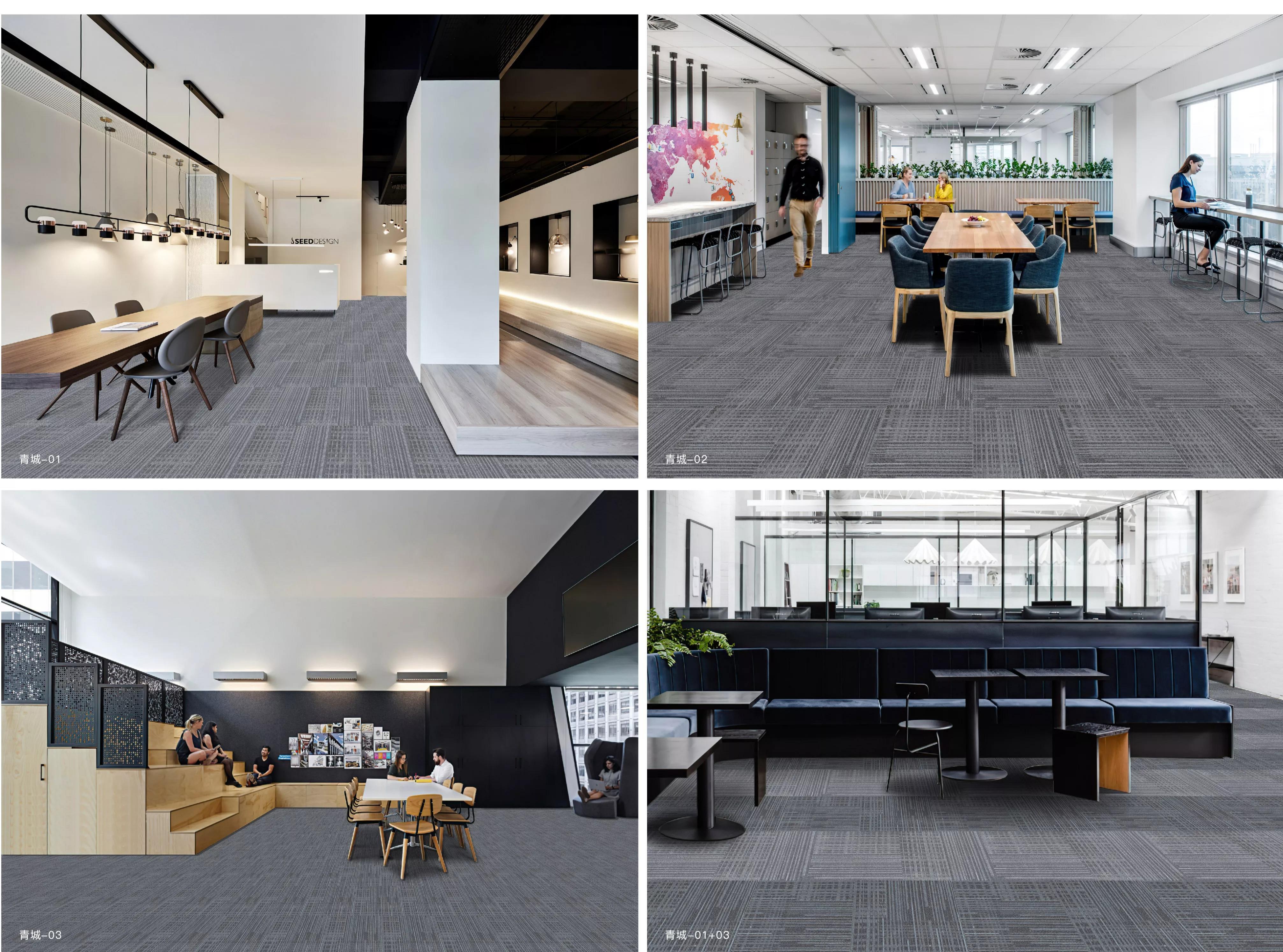
Choosing the right carpet tile for your retail space is more than just about aesthetics; it's about investing in a durable, practical, and cost-effective flooring solution that will support your store’s needs for years. By considering factors like foot traffic, maintenance, aesthetics, and budget, you can select carpet tiles that enhance your retail environment while offering long-term value. Companies like LKHY, known for their high-quality carpet tiles, provide a wide range of options that combine durability with stylish designs. With the right carpet tiles from trusted manufacturers such as LKHY, your store can enjoy a stylish, functional, and welcoming atmosphere for both customers and employees.
A: Carpet tiles are individual, modular pieces of carpet, typically square or rectangular, that are installed in a grid pattern. They offer flexibility in design, easy installation, and the convenience of replacing only damaged tiles, making them ideal for retail spaces.
A: Carpet tiles provide durability, ease of installation, and low maintenance. They are perfect for high-traffic retail environments and offer a wide range of colors and patterns to suit any store design. Additionally, individual tiles can be replaced when needed.
A: Consider factors like foot traffic, maintenance requirements, aesthetic preferences, and your budget. For high-traffic areas, choose durable materials like nylon. For design flexibility, opt for modular tiles with various colors and patterns that match your brand.
A: Carpet tiles can be more cost-effective than traditional carpeting, especially when considering installation and long-term maintenance costs. They are easy to replace individually, which can reduce overall flooring expenses in the long run.


