

Views: 0 Author: Site Editor Publish Time: 2026-09-21 Origin: Site


Flooring represents much more than a simple aesthetic choice for your property. It acts as a critical operational asset. This asset directly impacts your Guest Satisfaction Scores (GSS). It plays a massive role in sleep quality and reducing noise complaints. Hospitality design has shifted dramatically in recent years. Today, industry professionals evaluate sensory experiences alongside visual branding. Sound dampening and underfoot comfort carry just as much weight as durability.
You cannot overlook the tactile and auditory environment. Guests expect a serene, quiet escape from the moment they check in. Competing noises and harsh surfaces ruin this illusion instantly. Proper material selection resolves these issues before they start. It protects your brand reputation and preserves your nightly rates.
This guide serves as a comprehensive decision-making framework. It helps hoteliers, procurement teams, and interior designers evaluate various specifications. You will learn how to balance operational realities against high guest expectations. We will explore acoustic benefits, structural variations, and long-term maintenance protocols to help you make informed facility investments.
Noise consistently ranks as the leading cause of guest complaints. It aggressively lowers TripAdvisor ratings and damages Online Travel Agency (OTA) scores. To solve this problem, you must understand two primary acoustic metrics. Impact Insulation Class (IIC) measures structure-borne sound. This includes heavy footsteps, dropping objects, or rolling luggage. Noise Reduction Coefficient (NRC) measures airborne sound. This covers ambient echoing, loud voices, and television noise. You need materials capable of addressing both metrics simultaneously.
A high-quality hotel carpet serves as a primary acoustic absorber. It performs exceptionally well in busy corridors and private guest rooms. Hard surfaces bounce sound waves aggressively across the room. Soft flooring captures these waves and disperses the energy. It limits the direct transmission of footfalls from the floor above. It also reduces ambient reverberation in long, open hallways. Guests experience a noticeable hush upon entering a well-appointed space.
Acoustic dampening also supports your other experiential investments. You might invest heavily in curated lobby music or premium in-room entertainment systems. Competing structural noise ruins these carefully planned experiences. Proper flooring integration removes unwanted acoustic friction. When you eliminate background noise, your intended audio experiences shine. Guests enjoy a seamless, immersive sensory environment.
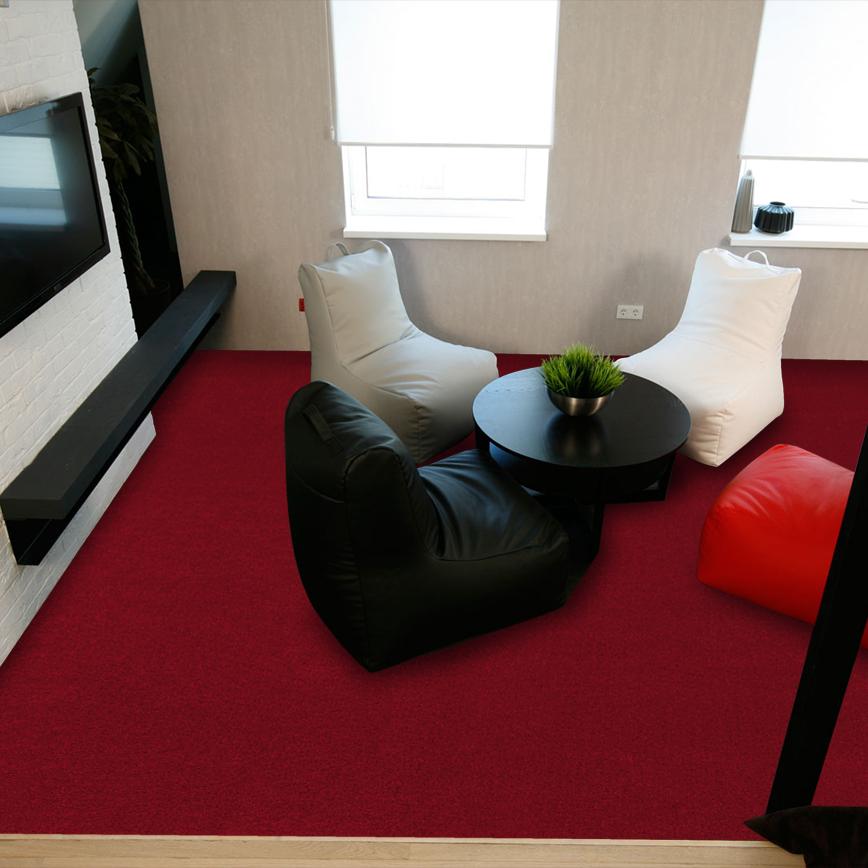
Choosing the right format heavily influences your installation process and daily operations. You generally choose between traditional broadloom and modular flooring systems. Each carries distinct advantages and specific operational challenges.
Wall to wall carpet delivers an entirely seamless aesthetic. It provides a superior perception of luxury. Designers frequently specify broadloom for large event ballrooms. It also works perfectly for high-end presidential suites where visual continuity matters most. You can print massive, intricate custom patterns without worrying about seam interruption. However, broadloom comes with distinct drawbacks. You will face higher installation waste during the initial rollout. Spot replacements demand closing the entire room or corridor, causing severe operational disruption.
Hotel carpet tiles offer an incredibly rapid installation process. You can easily target damaged or heavily soiled areas for immediate replacement. This modular approach lowers your maintenance downtime significantly. Modular tiles also integrate beautifully with raised access floors, allowing easy cable management. Historically, tiles felt too "corporate" for luxury hospitality. Modern manufacturing designs have successfully mitigated this stigma. Advanced edge-cutting technology creates tight, virtually invisible seams that mimic broadloom aesthetics.
You need a reliable framework for mapping these formats to specific hotel zones. Use broadloom for spaces requiring maximum visual impact. Rely on tiles for high-traffic or utility areas.
Carpet Format Decision Matrix
| Hotel Zone | Recommended Format | Primary Benefit |
|---|---|---|
| Luxury Guest Rooms | Broadloom | Seamless luxury perception and comfort |
| High-Traffic Corridors | Carpet Tiles | Easy targeted replacement and durability |
| Grand Ballrooms | Broadloom | Uninterrupted large-scale custom patterns |
| Back of House / Offices | Carpet Tiles | Rapid installation and utility access |
Tufted carpet currently dominates modern hotel procurement. It strikes a perfect balance between various competing needs. You receive high production speed and immense design versatility. It remains highly cost-effective compared to traditional woven options like Axminster or Wilton. Hundreds of needles push yarn through a primary backing simultaneously. This efficient manufacturing process allows brands to achieve custom textures, loop piles, and cut piles without excessive lead times.
Fiber selection directly drives long-term performance. Nylon stands out as the ultimate choice for high-traffic commercial environments. It offers excellent resilience, meaning the fibers bounce back after heavy compression. It also features superior crush recovery against luggage carts. Nylon 6,6 provides a tighter molecular structure, resisting stains exceptionally well. Blends or pure polyester options provide good stain resistance at lower price points, but they may mat down faster in busy lobbies.
Backing innovations actively manage moisture and extend product life. We frequently evaluate PET PVC carpet systems for their incredible durability. They provide immense dimensional stability, preventing the flooring from stretching under rolling loads. A strong moisture barrier prevents mold and mildew in humid climates. Industry trends now lean heavily toward recycled PET face fibers. Manufacturers pair these sustainable fibers with low-VOC backings. This combination meets strict environmental and air quality standards without sacrificing commercial toughness.
Best Practices for Material Selection:
Underfoot comfort directly influences a guest's subconscious perception of luxury. Thick, high-quality padding feels inherently premium. It signals cleanliness and thoughtful design. Guests notice this tactile feedback immediately upon entering their room. Hard, echoing floors often feel cold and institutional. Soft, cushioned surfaces feel residential, warm, and inviting. This sensory cue sets the tone for their entire stay.
Ergonomic benefits extend far beyond the guest experience. Your staff relies heavily on proper flooring conditions. Housekeeping teams, banquet servers, and bellhops stand or walk for incredibly long shifts. Pushing heavy supply carts across hard surfaces causes immense joint strain. Quality padding absorbs shock effectively. It reduces lower-limb fatigue and protects employee health. A comfortable staff delivers better, more energetic guest service.
Visual wayfinding reinforces brand identity naturally and subtly. Custom patterns guide foot traffic through complex spaces. They define specific zones in open-concept lobbies without requiring physical barriers. You can guide guests toward the reception desk or elevators using directional geometry. Colorways subconsciously dictate the mood of the space. Cool blues calm the environment, while warm reds stimulate energy in bar areas. Proper design unifies the property's aesthetic language.
Common Mistakes to Avoid:
Taking rooms out of inventory costs your property money every single day. Installation downtime represents a significant operational risk. Standard specifications generally roll out much faster. Installers know the materials and handle them efficiently. Custom patterns require precise matching, careful seam alignment, and longer installation times. You must plan renovations meticulously. Phasing the project wing by wing or floor by floor minimizes revenue disruption.
Your facility management team dictates the product's actual lifespan. Maintenance protocols matter deeply. Daily vacuuming acts as the most critical defense line. It prevents abrasive dirt particles from cutting the fibers at their base. Routine deep extraction cleaning restores the pile and removes embedded oils. Spot treating spills immediately prevents permanent staining. A beautiful floor fails rapidly without proper, consistent care.
Compliance and safety remain strictly non-negotiable. Selected materials must pass stringent local fire codes. The Radiant Panel Test measures a material's resistance to spreading fire. High commercial ratings ensure guest safety during emergencies. You must also follow ADA compliance guidelines for wheelchair and walker mobility. Strict pile height restrictions prevent mobility hazards for disabled guests. You must keep all transition strips between different flooring types smooth, secure, and low-profile.
The best hospitality flooring balances multiple, often competing, operational demands. It must offer high acoustic performance to protect sleep quality. It should provide excellent underfoot comfort to elevate the guest experience. Maintenance practicality ensures the product survives rigorous daily use. You cannot sacrifice one element without negatively impacting the others.
Decision-makers should rely on a clear, evidence-based shortlisting logic. Always request physical samples before finalizing any purchase. Review verified acoustic test data like IIC and NRC ratings directly from the manufacturer. Evaluate realistic replacement cycles based on your specific traffic volume. Compare the downtime risks between modular tiles and broadloom for your unique property layout.
Take action to improve your property's sensory experience today. Consult with a specialized acoustic flooring expert to discuss your operational challenges. Request a custom hospitality sample kit. Test these materials in your actual environment. Walk on them, clean them, and observe how they change the acoustics of your space.
A: Hard flooring reflects sound waves. This creates echoes and heavily amplifies impact noise. Carpeting acts as a highly porous acoustic absorber. It captures impact noise from heavy footsteps and dropping luggage. It also traps airborne reverberation. This dual-action absorption drastically lowers noise transmission between floors and adjacent rooms, ensuring a quieter environment.
A: Commercial lifespans depend heavily on foot traffic, format, and material quality. High-traffic corridors typically need replacement every 5 to 7 years. Guest rooms experience less abrasive wear and often last 7 to 10 years. Routine deep extraction cleaning and prompt spot repairs will maximize this longevity.
A: Yes, they are highly suitable. Historically, modular tiles carried a strong "corporate" stigma. Today, high-density tufted tiles use advanced edge technologies. They create virtually invisible, seamless aesthetics. Luxury tiers widely adopt them because they successfully combine high-end design with incredibly easy, targeted maintenance.
A: Commercial backings require extreme durability. These materials provide exceptional dimensional stability. They prevent the flooring from stretching, wrinkling, or buckling under heavy rolling carts. They also offer excellent water resistance, blocking dangerous mold growth. Additionally, the industry shift toward recyclable PET supports modern property sustainability goals.


