

Views: 0 Author: Site Editor Publish Time: 2026-01-15 Origin: Site


Carpet tiles are becoming a popular choice for both residential and commercial spaces due to their easy installation and long-lasting durability. Whether you're creating a home office or outfitting a busy office, carpet tiles offer a practical flooring solution. A common question that many people ask, though, is whether underlay is needed for carpet tiles.
In this article, we will explore the role of underlay, when it’s necessary, and how it benefits your carpet tiles. By the end, you'll know exactly when and why to use underlay for your carpet tile installation.
Carpet tile underlay is a resilient layer placed between the subfloor and carpet tiles. It serves multiple purposes, including:
● Comfort: Provides cushioning for added softness underfoot.
● Noise Reduction: Reduces sound transmission between floors, which is especially beneficial in multi-story buildings.
● Durability: Enhances the longevity of carpet tiles by absorbing foot traffic impact.
● Thermal Insulation: Helps retain heat, which can improve energy efficiency, especially in colder climates.
The underlay is not just an accessory; it's an essential part of ensuring that your carpet tiles perform optimally over time.
Different types of carpet tiles require different underlays. Here’s a quick breakdown:
● Nylon Carpet Tiles: Durable and suitable for high-traffic areas. They may require a thinner, more durable underlay.
● Polypropylene Carpet Tiles: Affordable and stain-resistant, these tiles benefit from an underlay that improves comfort and longevity.
● Polyester Carpet Tiles: Known for vibrant colors and texture retention. Underlay adds extra cushioning and sound insulation.
When choosing your carpet tiles, consider the material and its specific underlay requirements for optimal performance.
One of the primary benefits of underlay is the added comfort it provides. Underlay adds cushioning, making walking or standing for extended periods more comfortable. In commercial spaces, such as offices or retail environments, underlay helps reduce fatigue for employees or customers who are on their feet often.
In high-traffic areas or multi-level buildings, noise can be a significant issue. Underlay helps to absorb sound, reducing footstep noise, chair movements, and even dropped items. This is particularly valuable in offices, hotels, and apartment buildings where noise transfer between floors can be disruptive.
Thermal insulation is another advantage of using underlay. By trapping air between the subfloor and carpet tiles, it helps keep rooms warmer in colder seasons. This is especially important in spaces with concrete floors or areas with underfloor heating, where maintaining a comfortable temperature can be challenging without proper insulation.
Benefit | Effect |
Enhancing Comfort | Adds cushioning, making standing or walking more comfortable. |
Soundproofing | Absorbs sound, reducing noise from footsteps and chair movements. |
Improving Insulation | Traps air, helping to keep rooms warmer and maintain temperature. |
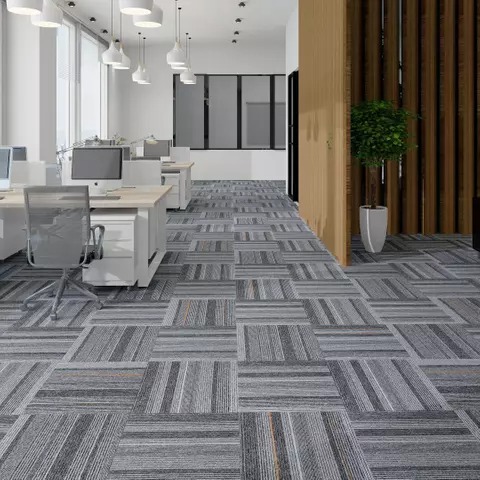
Underlay is essential in high-traffic areas, whether in residential or commercial settings. In spaces with frequent foot traffic, such as hallways or offices, underlay absorbs the impact from daily movement. This prevents premature wear and tear on the carpet tiles, keeping them looking fresh for longer.
In areas where moisture is a concern, such as basements or concrete subfloors, using a moisture barrier underlay is a must. Without proper protection, excess moisture can lead to mold, mildew, or damage to the carpet tiles themselves. A moisture barrier underlay ensures your flooring is shielded from these risks, especially in damp climates.
If your subfloor is not perfectly smooth, using underlay can help smooth out minor imperfections. It acts as a buffer, leveling the surface before the carpet tiles are installed. This helps ensure a stable, secure, and uniform finish.
In low-traffic or temporary settings, you might choose to skip the underlay. For example, if you're installing carpet tiles in a conference room or for an event, where the tiles will only be used for a short time, an underlay may not be necessary.
If your subfloor is smooth, clean, and stable, you can sometimes skip the underlay. This is particularly true in situations where the floor beneath the carpet tiles is already in great condition, such as well-maintained wood or concrete floors.
In some cases, there are alternative methods for securing carpet tiles. For instance, you may use adhesive products designed specifically for tile installations that eliminate the need for underlay. This method works well for tiles that interlock or are loose-lay, requiring no additional cushioning.
Situation | Use Underlay? | Reason |
High-Traffic Areas | Yes | Absorbs impact, prevents wear and tear |
Moisture Protection | Yes | Shields from mold and moisture damage |
Dealing with Subfloor Imperfections | Yes | Levels surface for a stable finish |
Simple Installation Environments | No | Low traffic or temporary setups |
Good Condition Subfloor | No | Smooth, stable, and clean subfloor |
Alternative Solutions | No | Adhesives or interlocking tiles |
The condition of your subfloor significantly impacts whether you need underlay. If the subfloor is uneven, underlay helps fill in gaps, creating a smooth surface for the carpet tiles. In contrast, a perfectly flat subfloor may not need much additional padding.
Subfloor Condition | Need for Underlay | Reason |
Uneven Subfloor | Yes | Helps fill gaps and creates a smooth surface |
Flat Subfloor | No | Minimal padding needed, already smooth |
The type of subfloor you have plays a role in whether you need underlay. Concrete floors tend to be colder and more porous, making underlay with thermal insulation especially important. Wooden floors, on the other hand, are generally more forgiving, but underlay can still enhance comfort and soundproofing.
ubfloor Type | Need for Underlay | Reason |
Concrete Floors | Yes | Requires thermal insulation, less warmth |
Wooden Floors | Optional | Provides comfort and soundproofing benefits |
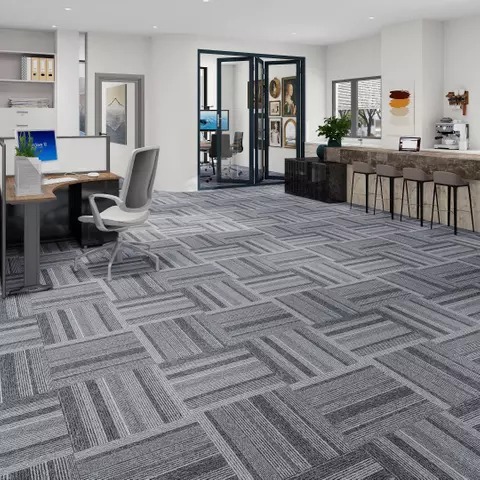
Yes, carpet tiles can be installed without underlay, particularly in situations where comfort, soundproofing, and insulation are not major concerns. For example, temporary installations or areas with low foot traffic may not require an underlay. However, for long-term installations, skipping the underlay could lead to premature wear.
Installing carpet tiles without underlay can simplify the process and reduce costs, especially if you're working with a tight budget or need a quick solution. If your flooring doesn’t require the extra cushioning, skipping the underlay may help streamline the installation.
Some specific situations where you may not need underlay include trade show installations or modular offices where carpet tiles are used temporarily. However, for permanent installations, it’s generally recommended to use underlay for added durability and comfort.
Choosing the right combination of carpet tile and underlay is essential for ensuring longevity and performance. For high-traffic areas, durable materials like nylon carpet tiles paired with a heavy-duty underlay work best. Softer materials like polyester or wool may require a more cushioned underlay to maximize comfort.
When choosing your carpet tile and underlay combination, it’s important to balance comfort with durability. If comfort is a top priority, focus on an underlay that adds cushioning. If durability is key, opt for a thicker, firmer underlay that can handle heavy foot traffic.
Consider the environment where the carpet tiles will be installed. In commercial spaces, such as offices or retail stores, you might need a thicker underlay for added noise reduction and comfort. In residential settings, a lighter underlay might suffice for areas with less foot traffic.
Factor | Recommendation |
Selecting the Right Materials | Nylon tiles with heavy-duty underlay for high traffic |
Balancing Comfort and Durability | Soft underlay for comfort, thicker for durability |
Choosing by Area Requirements | Thicker underlay for commercial, lighter for residential |
In conclusion, whether underlay is needed for carpet tiles depends on factors like comfort, soundproofing, insulation, and subfloor condition. While not always required, underlay enhances durability and performance, particularly in high-traffic or moisture-prone areas. By choosing the right combination of carpet tile and underlay, you ensure a long-lasting, comfortable flooring solution. Hubei Linkun Hongyuan Carpet Corp. provides high-quality carpet tiles that enhance both comfort and durability, making them a great choice for any space. Always assess your space's specific needs before deciding on underlay.
A: Carpet tiles typically don’t require underlay, as many come with built-in backing. However, underlay can enhance comfort, soundproofing, and insulation, particularly in high-traffic areas.
A: Underlay improves comfort underfoot, reduces noise, and adds insulation. It also protects the carpet tiles, prolonging their lifespan, especially in high-traffic or moisture-prone areas.
A: Yes, carpet tiles can be installed without underlay in some situations, like temporary or low-traffic areas. However, skipping underlay may reduce durability and comfort.
A: Nylon and polyester carpet tiles benefit the most from underlay, as they offer durability and comfort, especially when paired with cushioning or thermal underlay for added comfort.
A: The cost of carpet tile underlay varies depending on the material and thickness, but generally, it adds an affordable extra layer of protection, enhancing comfort and performance.
A: Yes, underlay with a moisture barrier is ideal for wet areas like basements or concrete floors. It prevents moisture damage, ensuring the longevity of your carpet tiles.


