

Views: 0 Author: Site Editor Publish Time: 2026-01-13 Origin: Site


Carpet tiles have revolutionized flooring, offering endless customization options. These modular squares allow you to create unique, personalized designs for any space. Whether you're a homeowner looking for a creative living room update or a business designing an efficient office, carpet tiles provide the flexibility to match your vision.
In this article, we’ll explore why carpet tiles are perfect for custom designs. You’ll learn how their versatility, ease of installation, and maintenance make them an ideal choice for any project.
Carpet tiles come in a variety of colors, textures, and sizes, giving you endless options to create customized designs. You can mix and match different tiles to create bold contrasts or use complementary shades for a more harmonious look. The modularity of carpet tiles means you’re not limited to traditional floor designs, allowing you to explore a wide range of styles from geometric shapes to organic curves.
One of the biggest advantages of carpet tiles is how easy they are to install. You can lay them down like a puzzle, fitting each piece precisely into place. If one tile gets damaged or stained, you can simply replace it without affecting the rest of the floor. This ease of installation and maintenance makes carpet tiles ideal for DIY enthusiasts and commercial spaces that require minimal downtime.
Carpet tiles aren’t just for homes—they can be used creatively in offices, retail spaces, and other commercial environments. In a living room, carpet tiles can provide a bold focal point or subtle accents, while in a commercial setting, they can define different zones and create a welcoming atmosphere. The ability to combine various textures, colors, and sizes also adds dimension to any space, making it feel more dynamic.
Feature | Benefits |
Endless Design Flexibility | Mix and match colors, textures, and sizes |
Ease of Installation | Simple, puzzle-like installation |
Maintenance | Easy replacement of damaged tiles |
Versatility | Suitable for homes, offices, and retail |
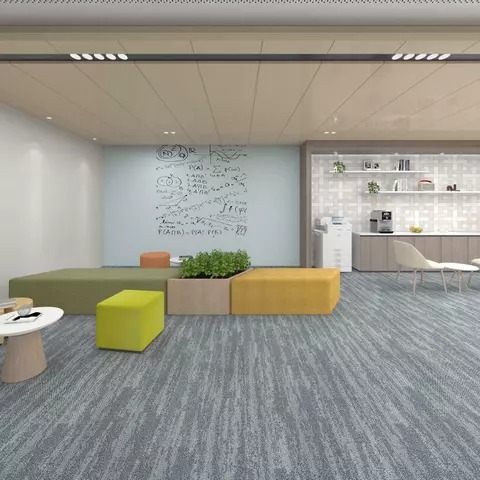
Geometric patterns like herringbone, chevron, and grid layouts can make a striking impact on any floor. Carpet tiles are ideal for these designs due to their modular nature, allowing for easy creation and customization. Experimenting with different tile sizes can further amplify the design.
Here are some examples of geometric patterns you can create with carpet tiles:
● Herringbone Pattern: Adds texture and movement.
● Chevron Layout: Creates a bold, dynamic look.
● Grid Layout: Offers a clean, structured design.
With carpet tiles, you have the freedom to mix and match different patterns and sizes, allowing for endless creative possibilities.
A monochromatic design doesn’t have to be boring. By rotating tiles 90 degrees or using tiles with different textures in the same color palette, you can create a subtle but impactful light and shadow effect. This design works especially well in minimalistic spaces, where the focus is on subtle elegance. The shift in texture adds visual depth without overwhelming the space.
Color blocking is a powerful way to make a bold statement in any room. By using large blocks of contrasting colors, you can define areas and create a stunning visual effect. This technique is especially effective in open-plan spaces, where you can differentiate zones with ease.
Here are some examples of color blocking with carpet tiles:
● Darker Tiles in One Section: Creates contrast and defines specific areas.
● Lighter Tiles in Another Section: Enhances the visual separation in open spaces.
Gradient fades or ombré designs—where tiles transition from dark to light—add a sense of flow and depth to a room. This style works well in spaces where you want to evoke a calm, serene atmosphere. Whether you’re designing a calming yoga studio or a vibrant living room, gradient fades provide a smooth transition of color, making the floor feel alive and dynamic.
Pattern Type | Effect | Example |
Geometric Patterns | Adds texture and movement | Herringbone, Chevron, Grid |
Monochromatic Designs | Creates subtle light and shadow effects | Rotating tiles, using different textures |
Bold Color Blocking | Defines areas with contrasting colors | Darker tiles in one section, lighter in another |
Gradient Fades/Ombré | Adds flow and depth with smooth transitions | Dark to light color shift |
For businesses looking to add a personalized touch, carpet tiles are a perfect medium for integrating logos or graphics. Whether in a corporate office or a retail store, custom carpet tiles can display your brand’s identity, creating a professional and unique environment. Logos can be woven into the tiles, allowing for seamless integration of branding into the overall design.
Organic shapes like flowing curves and wavy lines can soften a space and introduce a natural, calming vibe. These designs are perfect for areas where relaxation is key, such as living rooms, lobbies, or wellness centers. By combining different tile shapes and textures, you can mimic the fluidity of nature and bring harmony to the room.
Borders and inset designs are an effective way to add sophistication and structure to a room. Whether it’s framing a seating area or creating a distinct pathway in a large space, borders can highlight specific zones. For example, using a contrasting color or texture around the edges of a room draws attention to the center, making the area feel more cohesive.
Before you start laying down tiles, it’s essential to plan the design. Visualizing your ideas with sketching or digital tools helps you understand how the tiles will fit together and how colors or textures will interact. Planning ensures you achieve the desired look, whether you want a bold, dramatic effect or a soft, cohesive design.
Lighting plays a crucial role in how colors appear on your floor. Before committing to a color scheme, test how the tiles look under both natural and artificial light. Colors may appear differently depending on the lighting, so experimenting with your chosen tiles in various lighting conditions can help you avoid surprises later.
The beauty of carpet tiles lies in their flexibility. If you’re unsure about your design, start by laying out the tiles loosely to see how they look. This gives you the freedom to experiment with different patterns, colors, and arrangements before making a final decision. Don’t be afraid to swap tiles around until you achieve the perfect layout.
Tip | Purpose |
Planning Your Design | Helps visualize layout and design choices |
Testing Lighting | Ensures colors work in different lighting |
Experimentation and Flexibility | Provides freedom to adjust the design |
Selecting the right carpet tiles depends on several factors, including the room’s function, foot traffic, and aesthetic preferences. Tiles come in various materials, such as loop pile, cut pile, or even a combination of both. For high-traffic areas, choose durable tiles that can withstand wear and tear. For more formal spaces, consider using premium tiles that enhance the room's sophistication.
Follow these steps for a smooth and effective carpet tile installation.
Step 1: Prepare the Floor
Ensure the floor is clean and dry before starting.
Step 2: Start Laying Tiles
Begin from the center or a corner of the room, depending on your design.
Step 3: Align Tiles
Press the tiles firmly into place and make sure they align properly.
Step 4: Cut Tiles as Needed
Trim tiles along the edges to fit the room’s shape.
Step 5: Check Security and Adjust
Ensure the tiles are secure and make any necessary adjustments.
Maintaining carpet tiles is simple. Regular vacuuming keeps dirt and debris from accumulating, while spot cleaning handles any stains. If a tile becomes damaged, simply replace it with a new one—no need to redo the entire floor. This ease of maintenance makes carpet tiles a practical solution for both residential and commercial spaces.
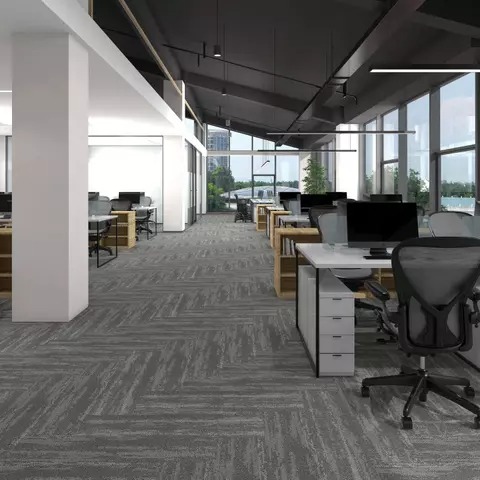
Carpet tiles are designed to last. They’re highly durable, making them perfect for areas with high foot traffic. In addition, their modular nature allows for easy cleaning and replacement. When a tile becomes stained or damaged, it can be replaced without disturbing the rest of the floor, saving time and money.
Carpet tiles are a cost-effective flooring solution. Unlike traditional carpet, you only need to purchase the tiles you need, reducing waste and cutting down on overall costs. Additionally, the easy maintenance and replacement process mean you won’t incur significant expenses over time. This makes carpet tiles a great option for budget-conscious design projects.
Benefit | Detail |
Durability and Easy Maintenance | Carpet tiles are durable and easy to replace when damaged. |
Cost-Effectiveness | Only purchase the tiles you need, reducing waste and costs. |
Carpet tiles offer incredible versatility and creativity for custom floor designs. Whether you're opting for bold geometric patterns or a subtle gradient fade, carpet tiles allow you to experiment with various textures, colors, and layouts. Their easy installation and maintenance, along with their durability, make them perfect for both residential and commercial spaces. Hubei Linkun Hongyuan Carpet Corp. provides high-quality carpet tiles that deliver lasting value, transforming any room into a stylish, personalized space.
A: Carpet tiles are modular squares that can be easily arranged to create unique patterns. They offer flexibility in design, easy installation, and maintenance, making them ideal for both residential and commercial spaces.
A: You can create custom designs by mixing different textures, colors, and patterns. Carpet tiles allow for geometric layouts, color blocking, and gradient effects, giving you the freedom to experiment and craft a personalized floor.
A: Yes, carpet tiles are easy to install and maintain. Their modular nature allows for quick installation, and damaged tiles can be replaced individually without redoing the entire floor.
A: With carpet tiles, you can create geometric patterns, monochromatic designs, color-blocking effects, and gradient fades. These designs offer endless creative possibilities for any space.
A: Carpet tiles are highly durable and perfect for high-traffic areas. They’re designed to withstand wear and tear, making them ideal for both homes and commercial spaces.
A: Yes, carpet tiles are an affordable flooring option. They minimize waste since you only buy what you need, and their durability reduces long-term maintenance costs.


