

Views: 0 Author: Site Editor Publish Time: 2026-04-29 Origin: Site


Evaluating commercial flooring solely on upfront material prices is an incomplete approach. Facility managers must look beyond the initial purchase order. You need to understand real lifecycle demands over a standard five-to-ten-year lease cycle. Many building owners underestimate the operational burden created by daily upkeep, emergency replacements, and complex spatial reconfigurations. What seems like a simple choice today often becomes a long-term operational challenge tomorrow.
We provide a transparent, evidence-based lifecycle analysis comparing modular carpets against hard alternatives like luxury vinyl, porcelain, and engineered wood. You will discover practical strategies to improve long-term maintenance planning across your facilities. This comprehensive guide will equip you with the exact data needed to direct your final specification decisions effectively.
Downtime Matters: Commercial carpet tiles allow for localized, modular replacement without moving heavy office partitions, dramatically lowering replacement disruption compared to hard flooring.
Hidden Maintenance Burdens: Hard flooring options like VCT require intensive periodic stripping and waxing, while commercial carpet tiles rely on standard vacuuming and scheduled extraction.
Waste Reduction: Modular carpet tiles reduce installation waste to 1-3%, compared to 5-25% for broadloom carpets or hard roll goods.
Strategic Application: The best long-term result is often achieved through zoning—using hard flooring in high-spill zones and carpet tiles in open-plan workspaces for acoustic control and ergonomic comfort.
Building owners frequently replace flooring long before physical materials actually fail. They do this to maintain a premium Class A property rating. This rating directly influences how incoming tenants perceive the space. Aesthetics and seamless tenant transitions consistently trump absolute maximum lifespan. You must select materials aligned with realistic redesign cycles rather than eternal durability. Investing heavily in century-lasting floors makes little sense if your tenants demand fresh aesthetics every seven years.
Operational disruption carries major practical consequences. Consider the drastic difference in installation downtime between material categories. A weekend lift-and-replace job utilizing modular carpets minimizes business interruption. Installers swap tiles without dismantling complex desk clusters or disconnecting intricate IT grids. Conversely, hard flooring demands extensive subfloor preparation. Contractors must level the concrete, allow adequate curing times, and remove all heavy furniture from the premises.
Safety and compliance represent non-negotiable baseline criteria for any commercial facility. Facility managers evaluate materials against strict industry regulations to protect occupants.
Slip Resistance Compliance: You must meet ADA (Americans with Disabilities Act) guidelines. These standards prevent workplace slips and operational liability.
Load Bearing Capacity: Materials must withstand constant pressure from rolling office chairs. Hard floors can crack, while poor-quality soft floors might crush or unravel.
Transition Safety: Edges between different flooring zones require flush transition profiles. You must eliminate varying heights to avoid creating hazardous trip zones.
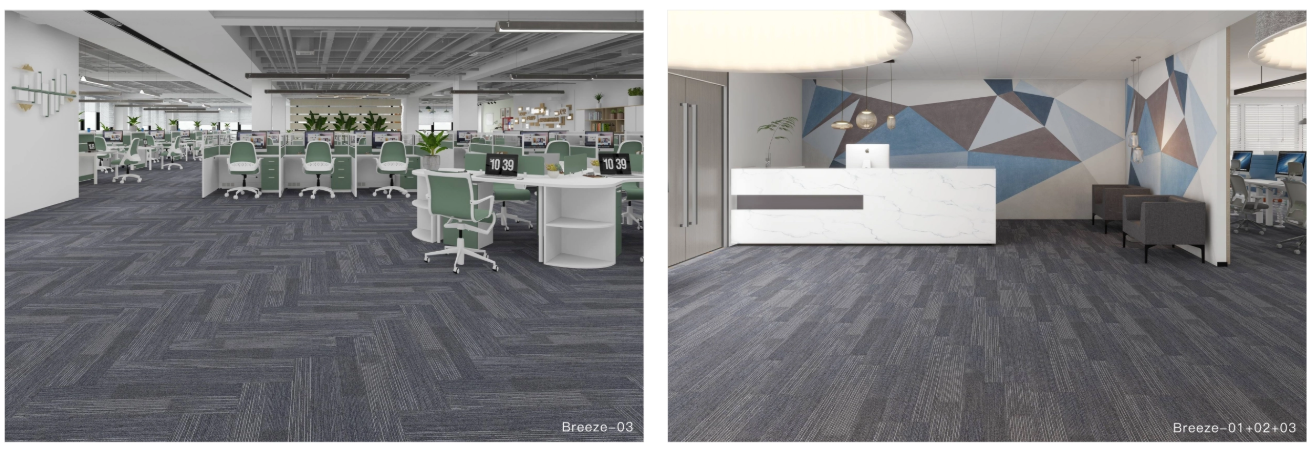
Routine cleaning dictates a large portion of facility operations. Modern Commercial Carpet Tiles streamline this daily upkeep. Maintenance teams utilize a highly efficient drawer-style replacement strategy for severe damage. They simply swap out a single stained tile rather than tearing up an entire room. This localized repair model simplifies intervention and reduces disruption. Furthermore, premium tiles utilize solution-dyed fibers. These advanced synthetic fibers lock color directly into the core during manufacturing. They resist severe color fading even when exposed to harsh commercial cleaning agents.
Open-plan workspaces suffer heavily from severe noise pollution. Hard surfaces reflect sound waves, creating chaotic acoustic environments. Modular carpets offer exceptional ambient noise reduction. They absorb footsteps and dampen vocal echoes efficiently. This intrinsic acoustic control directly reduces the need for secondary acoustic wall paneling. Additionally, they provide crucial anti-fatigue benefits. Standing employees experience less joint strain, which indirectly supports daily focus and workplace comfort.
Every flooring material carries specific implementation risks. You must understand these vulnerabilities to protect your specification.
Adhesive Failures: Improper adhesive application leads to severe backing delamination. Always use manufacturer-recommended pressure-sensitive adhesives to ensure stability.
Visible Seams: High-traffic corridors sometimes reveal grid lines over time. Choose monolithic installation patterns or textured loop piles to disguise seams naturally.
Best Practice: Always order a 5% attic stock during your initial procurement phase. You need exact dye-lot matches to execute future localized repairs flawlessly.
Buyers often confuse LVT and VCT during the specification process. They represent vastly different long-term maintenance profiles. LVT offers a durable wear layer requiring very low maintenance. It resists scratches and cleans effortlessly using simple damp mopping. Conversely, VCT may appear straightforward upfront but carries intensive upkeep requirements. VCT demands strict, mandatory stripping, buffing, and waxing routines. These labor-intensive chemical cycles place a heavy burden on maintenance teams over a standard lease period.
Common Mistake: Specifying inadequate wear-layer thicknesses for LVT installations. Always ensure your chosen wear layer handles heavy rolling chair loads. Thin residential-grade wear layers will fail prematurely in corporate settings.
Porcelain tile delivers exceptional water resistance. It meets strict PTCA standards, boasting water absorption rates at or below 0.5%. This makes it practically impervious to spills. However, porcelain introduces distinct operational challenges. Porous grout lines trap dirt and require specialized deep cleaning machinery. Furthermore, porcelain offers incredibly poor acoustic properties. It turns busy hallways into loud, disruptive echo chambers.
Engineered wood provides undeniably high aesthetic value. It perfectly suits luxury executive suites and prestigious boardrooms. Unfortunately, wood suffers from strict moisture intolerance. It warps quickly under standing water or high humidity. More importantly, it demands periodic sanding, sealing, and recoating every eight to ten years to maintain visual appeal.
Comparing exact metrics reveals surprising truths about facility management demands.
Initial Installation Scope vs. Material Waste
Hard flooring often requires extensive subfloor leveling before installation begins. Any uneven concrete translates to cracked tiles or snapping click-lock joints. You also face significant material waste during installation. Sheet goods and custom-cut hard tiles frequently suffer high loss margins around room perimeters. Compare this against Commercial Carpet Tiles. Modular squares reduce installation waste to a mere 1-3%. Installers simply trim edges to fit walls without discarding massive, unusable offcuts.
Routine Maintenance Demand
Labor intensity quickly overtakes raw material differences over a ten-year lease. Carpet maintenance relies primarily on daily vacuuming and scheduled deep extraction. This process utilizes relatively simple equipment and limited harsh chemicals. Hard surfaces demand sweeping, mopping, and sometimes intense waxing. Stripping and waxing a VCT floor requires specialized outside crews, overnight working hours, and repeated polymer coating cycles.
End-of-Life & Sustainability
End-of-life handling strongly affects final project planning. Many Commercial Carpet Tiles feature advanced recyclable backings. They contribute directly to valuable LEED and BREEAM building certifications. Manufacturers often run active take-back programs to divert waste from local landfills. In stark contrast, laminate flooring and glued hardwood are notoriously difficult to separate and recycle. Facilities often face more complex disposal workflows to handle them appropriately.
Flooring Type | Installation Waste Margin | Primary Routine Maintenance | Acoustic Performance | End-of-Life Handling Profile |
|---|---|---|---|---|
Modular Carpet | 1-3% | Vacuuming & Deep Extraction | Excellent | High Recyclability |
Luxury Vinyl (LVT) | 5-10% | Damp Mopping | Moderate | Moderate (Landfill common) |
Composite Vinyl (VCT) | 5-10% | Chemical Stripping & Waxing | Poor | Low Recyclability |
Porcelain Tile | 10-15% | Grout Scrubbing | Very Poor | Heavy/Complex Disposal |
Every commercial facility features distinct micro-environments. A single material rarely solves every operational challenge. Facility managers achieve optimal results by deploying strategic material assignments based on specific usage patterns.
If Prioritizing Hygiene & Spill Management: Healthcare clinics, busy breakrooms, and corporate cafeterias face constant liquid hazards. You should shortlist porcelain tile or seamless sheet vinyl. These materials prevent moisture penetration and withstand heavy chemical disinfection protocols effortlessly.
If Prioritizing Acoustics, Rapid Reconfiguration & Low Downtime: Open-plan offices, busy call centers, and fast-paced co-working spaces demand maximum flexibility. You should shortlist Commercial Carpet Tiles. They dampen overwhelming noise and allow instant layout changes without halting daily business operations.
If Prioritizing High-End Aesthetics & Long-Term Durability: Main entry lobbies and executive boardrooms require premium first impressions. You should shortlist engineered hardwood or highly polished concrete. These dense materials communicate prestige and withstand heavy foot traffic at primary entry points.
Hybrid Zoning Approach:
We highly recommend utilizing a transition strategy to optimize both maintenance planning and user experience simultaneously. For example, install heavy-duty LVT in main navigational walkways to handle wet shoes and heavy rolling carts. Map these hard pathways to transition seamlessly into modular carpets placed inside workstation clusters. This intelligent zoning strategy controls acoustics where employees work while protecting high-traffic arteries from premature wear.
While luxury vinyl offers superior spill resistance, modular carpets generally provide greater maintenance flexibility within standard office environments.
Zero-downtime modular repairs significantly outpace the rigid, disruptive installation requirements of hard surface alternatives.
Lower daily maintenance labor associated with simple vacuuming is easier to manage than intensive chemical stripping cycles required by VCT.
Strategic zoning provides the ultimate facility solution, intelligently blending durable hard pathways with comfortable, soft workstation hubs.
Next Steps: We encourage facility managers to schedule a comprehensive site assessment today. Request a physical sample box to test acoustic properties and aesthetic compatibility within your specific corporate environment. Compare the tangible differences firsthand before finalizing your upcoming procurement cycle.
A: While porcelain or concrete boast longer absolute lifespans, modular carpets easily outlast the standard five-to-seven-year commercial redesign cycle. Facilities often upgrade aesthetics before materials truly fail. High-density carpets survive this lifecycle comfortably, making them highly practical for modern, dynamic offices.
A: Yes, installers frequently lay them directly over flat, fully cured hard surfaces like old VCT or smooth concrete. This implementation approach simplifies demolition and accelerates project timelines. However, the existing subfloor must remain structurally sound and free of severe moisture issues.
A: Daily cleaning methods differ significantly. Running a dry mop over hard floors is slightly faster. However, long-term maintenance changes the comparison. Waxing and stripping VCT demands specialized labor and harsh chemicals, while carpet tiles usually rely on scheduled hot water extraction and routine vacuuming.
A: You should specify high-density, low-pile loop construction materials. These tightly woven fibers resist crushing under heavy rolling weight. Additionally, swap standard chair casters for specialized hard-surface casters designed explicitly to glide over soft flooring without tearing the underlying fibers.


