

Views: 0 Author: Site Editor Publish Time: 2026-03-10 Origin: Site


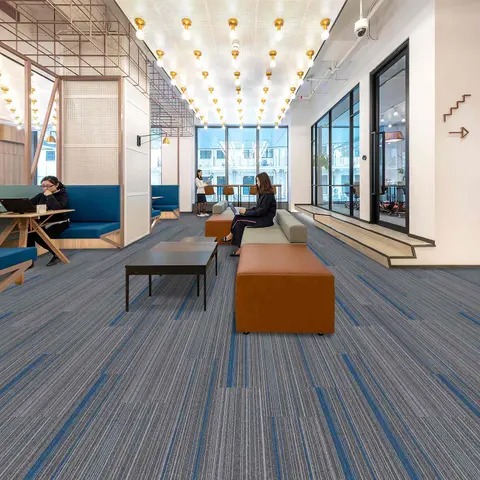
Choosing the right carpet can be tricky. Carpet Tiles and wall-to-wall carpets offer very different benefits. Which one suits your space best? This article compares these two popular flooring options. We explore their features, installation, maintenance, and design. You’ll learn key factors to consider before deciding. By the end, you’ll know which carpet fits your needs perfectly.
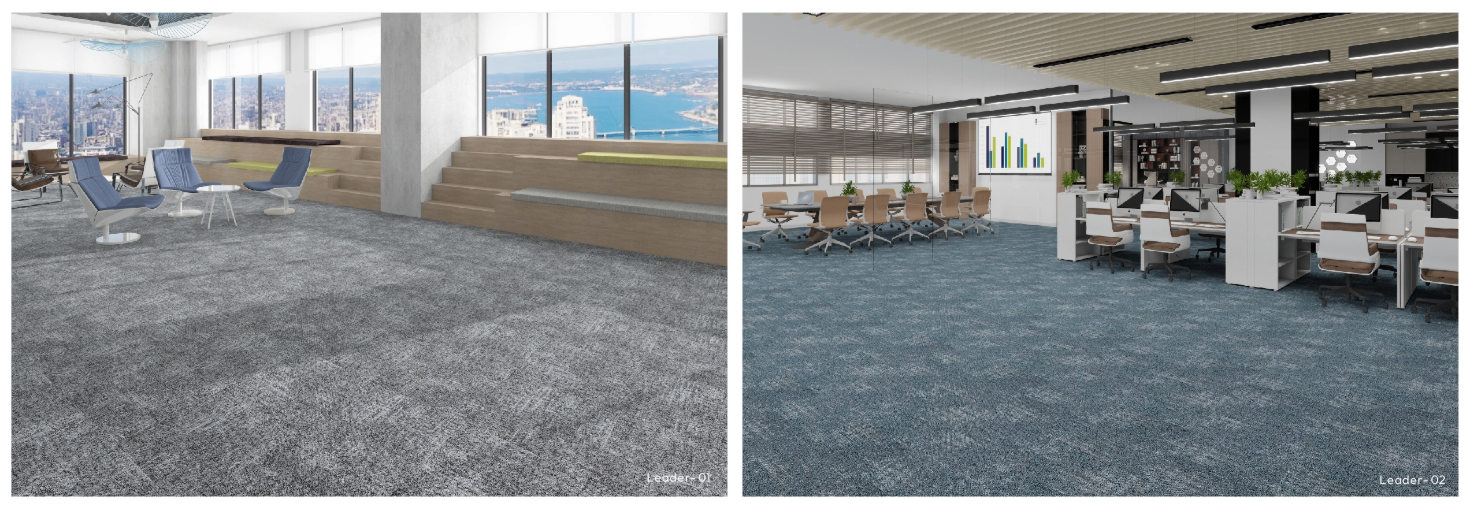
Carpet tiles, often called carpet squares, are small modular pieces typically measuring 50×50 cm. They come pre-backed, allowing direct installation onto the subfloor without additional padding. This modularity means less cutting waste—usually just 1-3%—and quicker installation compared to wall-to-wall carpets. Carpet tiles are popular in commercial settings and offices due to their durability and ease of maintenance. They also offer flexibility in design, enabling creative patterns by mixing colors and textures.
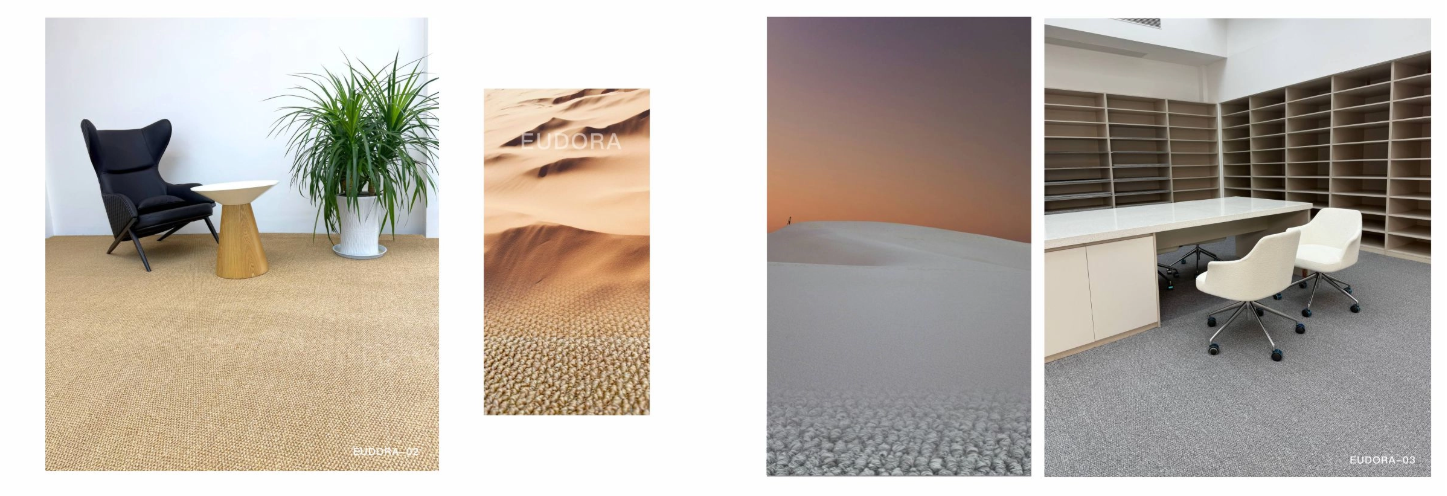
Wall-to-wall carpets, or broadloom carpets, come in large rolls, usually 4 to 5 meters wide. They are installed over a layer of padding, which cushions the floor and hides imperfections in the subfloor. This type of carpet offers a seamless, continuous surface, ideal for large spaces or projects with high design ambitions. Wall-to-wall carpets provide a plush underfoot feel and can be customized with intricate patterns or textures. However, installation is more labor-intensive and results in higher material waste—often between 5-25%—due to cutting and fitting.
Installing carpet tiles is straightforward: tiles are adhered directly to the floor in a grid pattern, allowing phased installation and easy replacement of damaged tiles. This reduces downtime and labor costs. On the other hand, wall-to-wall carpet installation requires precise cutting, fitting, and stretching over padding. It usually demands professional installers and more time, especially in rooms with many corners or irregular shapes.
| Feature | Carpet Tiles | Wall-to-Wall Carpets |
| Installation Time | Faster, modular | Slower, labor-intensive |
| Waste Percentage | Low (1-3%) | Higher (5-25%) |
| Flooring Preparation | Direct on substrate | Requires padding and leveling |
| Replacement | Easy tile-by-tile replacement | Requires full or partial carpet replacement |
Carpet tiles excel in maintenance. If a tile is stained or worn, it can be replaced individually without disturbing the rest of the floor. This modular approach is cost-effective, especially in high-traffic commercial areas. Wall-to-wall carpets require more extensive cleaning and repairs. Damage often necessitates patching or replacing larger sections, which can be costly and disruptive.
Wall-to-wall carpets offer a seamless look with continuous patterns and textures, making them ideal for elegant, uniform spaces. Carpet tiles, however, provide unmatched design flexibility. They allow mixing and matching colors, patterns, and even textures to create unique, personalized flooring. This makes carpet tiles a favorite in creative office spaces or areas where zoning via flooring is desired.
Wall-to-wall carpets generally provide a plusher, more luxurious underfoot experience due to their thicker padding and backing options. Carpet tiles, while comfortable, typically have thinner backing, which may feel firmer. However, recent advances in carpet tile technology have improved comfort levels considerably, narrowing the gap.
Initial costs for carpet tiles tend to be lower due to simpler installation and less waste. Over time, maintenance costs are also reduced because of easy tile replacement. Wall-to-wall carpets often have higher upfront expenses and installation fees but may offer longer-lasting comfort and aesthetic appeal in premium settings.
| Cost Factor | Carpet Tiles | Wall-to-Wall Carpets |
| Initial Purchase | Moderate to low | Moderate to high |
| Installation Cost | Lower | Higher |
| Maintenance & Repairs | Cost-efficient modular repairs | Potentially costly patching |
| Waste and Material Efficiency | High efficiency (less waste) | Lower efficiency (more waste) |
Installing carpet tiles is a straightforward process that suits both DIY enthusiasts and professionals. Here’s a typical carpet tiles installation guide:
Prepare the Subfloor: Ensure the floor is clean, dry, and level. Remove any debris or old adhesives.
Plan the Layout: Measure the room and mark the center point. Plan tile placement to minimize cuts and create a balanced look.
Apply Adhesive: Use a pressure-sensitive adhesive or peel-and-stick backing, depending on the tile type.
Place Tiles: Start from the center and work outward, laying tiles in rows and columns. Press firmly to ensure good adhesion.
Cut Tiles to Fit: Use a utility knife to trim tiles around edges, corners, or obstacles.
Roll the Floor: Use a floor roller to secure tiles and remove air bubbles.
Allow Adhesive to Cure: Follow manufacturer’s instructions for curing time before heavy use.
This modular installation allows phased work, ideal for large offices or commercial spaces where parts remain operational during installation.
Carpet tiles are known for their quick installation compared to wall-to-wall carpets. Because tiles come pre-backed, they eliminate the need for padding and complex stretching. The small size reduces handling difficulty and cutting waste, usually only 1-3%. This makes carpet tiles a popular choice for commercial carpet tiles vs wall to wall projects, where downtime must be minimized.
One of the biggest carpet tiles benefits is modularity. If a tile becomes stained, worn, or damaged, you can replace it individually without disturbing adjacent tiles. This contrasts with wall-to-wall carpet, where repairs often require patching larger areas or replacing entire sections. For offices or basements, carpet tiles for basement vs wall to wall show clear advantages in maintenance efficiency and cost savings.
Carpet tiles maintenance is simple and practical:
Regular Vacuuming: Vacuum low-pile tiles at least once a week to prevent dirt buildup.
Spot Cleaning: Treat spills immediately with mild detergent and water.
Deep Cleaning: Use a carpet extractor or professional cleaning every 12-18 months.
Tile Rotation: In high-traffic areas, rotating tiles can extend overall durability.
Stain Resistance: Many carpet tiles come with stain-resistant treatments, making upkeep easier.
Thanks to the modular design, maintenance is less disruptive and more cost-effective than wall-to-wall carpet options.
Installing wall-to-wall carpets is a detailed process that requires precision and experience. Here’s a typical step-by-step guide:
Prepare the Subfloor: Clean the floor thoroughly and ensure it is level. Remove any debris or old adhesives.
Install Padding: Lay a carpet padding or underlay over the subfloor. This padding cushions the carpet and hides floor imperfections.
Measure and Cut Carpet: Roll out the carpet and measure carefully. Cut the carpet to fit the room dimensions, allowing extra material for trimming.
Position the Carpet: Place the carpet over the padding, aligning it properly with walls and corners.
Stretch and Secure: Use a power stretcher and knee kicker to stretch the carpet tightly across the floor. Attach it to tack strips or glue depending on the installation method.
Trim Excess Material: Trim carpet edges neatly along walls and around obstacles.
Seam Joining (if needed): For larger areas, join carpet seams carefully to ensure a smooth, continuous look.
Final Inspection: Check for wrinkles, bubbles, or loose areas and make adjustments.
This process usually requires professional installers due to the specialized tools and skills needed.
Wall-to-wall carpet installation can be time-consuming and labor-intensive. The need for padding installation and precise stretching adds steps. Complex room shapes increase cutting and fitting time, sometimes extending installation over several days. Additionally, waste from cutting can range between 5-25%, depending on room complexity. These factors contribute to higher labor costs compared to carpet tiles.
Wall-to-wall carpets typically require regular vacuuming and professional deep cleaning every 12-18 months to maintain appearance and hygiene. The padding underneath helps preserve carpet life by absorbing foot traffic impact. However, repairs can be challenging; damaged sections often need patching or full replacement, which can be costly and disruptive. Proper maintenance extends the carpet’s lifespan, making it a long-term investment for many commercial and residential spaces.
One significant advantage of wall-to-wall carpets is the use of padding beneath the carpet surface. This padding:
Masks uneven subfloor surfaces, creating a smooth and comfortable underfoot feel.
Provides additional insulation and sound absorption.
Enhances carpet durability by reducing wear from impacts.
This cushioning effect is difficult to replicate with carpet tiles, which generally have thinner backing and are installed directly on the subfloor.
Wall-to-wall carpets shine when it comes to creating a seamless, continuous flooring surface. Because they come in large rolls, they can cover entire rooms without visible seams, making them perfect for spaces where a clean, uninterrupted look is essential. This seamless finish allows for intricate custom designs and patterns that flow naturally across the floor, adding a touch of elegance and sophistication.Additionally, wall-to-wall carpets often come with options for thick padding and luxurious yarns, providing a plush underfoot feel that enhances comfort. They suit high-end residential spaces, hotels, and upscale offices where design ambitions are high and the flooring needs to make a strong visual statement.
Carpet tiles offer unmatched flexibility in design. Because they are modular and come in various colors, textures, and sizes, you can mix and match tiles to create unique patterns or zoning effects. This modularity allows for creative expression, such as:
Checkerboard or geometric patterns
Gradients or color flows
Distinct zones for different office departments or retail sections
This makes carpet tiles especially popular in commercial spaces, creative offices, and areas where personalization matters. While carpet tiles may show some seams, modern manufacturing techniques have minimized their visibility, allowing for a near-seamless appearance in many installations.
Both carpet tiles and wall-to-wall carpets can handle high-traffic environments, but carpet tiles often have an edge in durability and maintenance for such spaces. Their modular nature means damaged or stained tiles can be replaced individually, reducing downtime and cost. This makes carpet tiles ideal for offices, retail stores, and basements where wear and tear are common.Wall-to-wall carpets, while comfortable, may require more extensive maintenance or replacement in high-traffic zones. However, their thick padding can absorb impact better, prolonging life if well maintained.
Choosing between carpet tiles and wall-to-wall carpets depends on your desired visual impact. Wall-to-wall carpets provide a uniform, luxurious look that enhances spaciousness and elegance. Carpet tiles, on the other hand, invite creativity and customization, allowing you to express personality through color and pattern combinations.If you want a bold, statement floor or easy updates to your design, carpet tiles are a smart choice. For timeless, classic aesthetics with a smooth finish, wall-to-wall carpets remain unmatched.
When comparing carpet tiles vs wall to wall carpet, the initial purchase price and installation costs are key factors. Carpet tiles generally have a moderate to low upfront cost. This is partly because they come in small, manageable pieces that are easier and quicker to install, reducing labor expenses. Installation is often simpler, requiring no padding, which further cuts costs.Wall-to-wall carpets tend to have a higher initial price. The material itself can be more expensive, especially if you select premium yarns or custom designs. Installation costs are also higher due to the need for padding, precise cutting, stretching, and professional fitting. The labor-intensive process requires skilled installers and more time, which increases overall expenses.
Carpet tiles offer significant savings in maintenance and repairs. Their modular nature means you can replace individual tiles if damaged or stained, avoiding the need to replace the entire floor. This modular replacement reduces downtime and cost, especially beneficial in commercial carpet tiles for office vs wall to wall scenarios where wear is frequent.Wall-to-wall carpets often incur higher maintenance costs. While regular vacuuming and professional cleaning are standard, repairs can be costly. Damage may require patching larger sections or replacing the whole carpet, which is disruptive and expensive. Over time, the plush padding may also need replacement to maintain comfort and durability.
Waste during installation impacts both cost and environmental footprint. Carpet tiles produce minimal waste, typically only 1-3%, because their small size allows for precise fitting and less cutting. This waste efficiency makes carpet tiles a cost-effective choice in projects with many corners or irregular shapes.Wall-to-wall carpets generate more waste, often between 5-25%, depending on room complexity. Large rolls require trimming and fitting, especially in spaces with intricate layouts. This higher waste level translates to more material needed, raising costs and environmental impact.
Choosing between carpet tiles and wall-to-wall carpets depends on your project’s budget and needs:
Commercial or High-Traffic Spaces: Carpet tiles are ideal due to lower installation costs, easy maintenance, and reduced downtime. Their durability and modularity make them cost-effective over time.
Luxury or Large Residential Spaces: Wall-to-wall carpets suit projects prioritizing seamless aesthetics and plush comfort. Despite higher upfront and maintenance costs, they deliver a premium look and feel.
Basements and Utility Areas: Carpet tiles for basement vs wall to wall often favor tiles because of moisture resistance, easy replacement, and cost savings.
Phased Installations: Modular carpet vs wall to wall clearly favors carpet tiles, allowing installation in stages without shutting down entire areas.
| Cost Aspect | Carpet Tiles | Wall-to-Wall Carpets |
| Initial Material Cost | Moderate to low | Moderate to high |
| Installation Cost | Lower (simple, fast) | Higher (complex, labor-intensive) |
| Maintenance Cost | Lower (modular replacement) | Higher (patching or full replacement) |
| Waste Generated | Low (1-3%) | Higher (5-25%) |
Carpet tiles are known for their excellent durability, especially in commercial and high-traffic environments. Manufactured with dense fibers and tough backing, they resist wear and tear effectively. Their modular design means if a tile shows signs of heavy use or damage, it can be swapped out individually, extending the overall lifespan of the floor. This durability makes carpet tiles a preferred choice for offices, retail spaces, and basements where frequent foot traffic or occasional spills occur. Additionally, many carpet tiles feature stain-resistant coatings, adding to their practical benefits.
Wall-to-wall carpets offer a different kind of durability, often enhanced by the thick padding underneath. This cushioning not only adds comfort but also protects the carpet fibers from compression and damage, helping the carpet maintain its appearance longer. While repairs can be more complex, a well-maintained wall-to-wall carpet can last many years in residential or commercial settings. The plush feel underfoot is a key advantage, providing a cozy and luxurious experience that carpet tiles typically cannot match due to their thinner backing.
Choosing between carpet tiles and wall-to-wall carpets depends largely on the environment. Carpet tiles are highly practical for commercial offices, basements, and areas prone to moisture or stains because of their easy maintenance and modular replacement. They handle heavy usage well and adapt to phased installations. Wall-to-wall carpets suit environments where comfort and seamless aesthetics are priorities, such as hotel rooms, lounges, or upscale residential spaces. However, they may not be ideal for damp areas or spaces requiring frequent repairs.
Both carpet tiles and wall-to-wall carpets contribute positively to indoor acoustics by absorbing airborne noise and reducing echo. Wall-to-wall carpets with thick padding provide superior sound insulation, making them suitable for quiet residential or hospitality areas. Carpet tiles also offer good acoustic properties, especially commercial carpet tiles with specialized backing like SoundBloc, which further enhances sound absorption in large office spaces. This makes either choice effective for noise control, depending on the specific needs of the space.
Choosing between carpet tiles and wall-to-wall carpets starts with understanding your space and how it will be used. Carpet tiles excel in areas with heavy foot traffic, such as offices, retail stores, and basements, where durability and easy maintenance are priorities. Their modular nature allows quick replacement of damaged sections, making them ideal for commercial carpet tiles vs wall to wall settings. In contrast, wall-to-wall carpets suit spaces where comfort and seamless design matter most, like hotel rooms, lounges, or upscale residential areas. They provide a plush underfoot feel and can mask floor imperfections thanks to the padding beneath.
When design is a top priority, wall-to-wall carpets offer unmatched advantages. Their broadloom rolls create a continuous, seamless surface perfect for large-scale patterns and luxurious textures. This is ideal for projects with high design ambitions. Carpet tiles, however, shine in creative flexibility. They let you mix colors, patterns, and textures to personalize your floor or create distinct zones within a space. While some seams may be visible, modern carpet tiles minimize this effect, making them a practical choice for dynamic, modular designs. Consider your aesthetic goals carefully: seamless elegance or versatile creativity.
Installation and upkeep preferences often tip the scale. Carpet tiles are quick and easy to install, often without professional help, and require no padding. Their modularity simplifies maintenance—damaged tiles can be swapped out individually, saving time and money. This makes carpet tiles an excellent option for phased installations or spaces that cannot afford downtime. Wall-to-wall carpets demand skilled installers, padding, and more time, increasing upfront costs. Maintenance involves regular deep cleaning and potentially costly repairs if damaged. However, the thick padding under wall-to-wall carpets adds comfort and durability that carpet tiles typically lack.
Choose carpet tiles if:
You want cost-effective installation and maintenance.
Your space experiences heavy or uneven traffic.
You prefer modular design flexibility and phased installation.
You need easy replacement options for damaged flooring.
Choose wall-to-wall carpets if:
Seamless aesthetics and plush comfort are essential.
Your project involves large, open spaces with custom designs.
You prioritize a luxurious underfoot feel and sound insulation.
You have the budget for professional installation and long-term maintenance.
By assessing your space, design goals, and maintenance needs, you can confidently decide which carpet flooring suits you best.
Carpet tiles offer quick installation, easy maintenance, and creative design flexibility. Wall-to-wall carpets provide seamless luxury and plush comfort. Consider your space’s traffic, design goals, and budget to choose wisely. Sampling and consulting professionals can help ensure the best fit. For durable, stylish flooring solutions, trust LKHY Carpet to deliver quality products that meet your needs with excellent service and value.
A: Carpet tiles are small modular pieces, usually 50×50 cm, installed directly on the subfloor without padding. Wall-to-wall carpets come in large rolls and require padding underneath. Carpet tiles offer easier installation and modular replacement, while wall-to-wall carpets provide a seamless, plush surface.
A: Carpet tiles offer quick installation, low waste, and easy maintenance but may feel firmer underfoot. Wall-to-wall carpets provide luxurious comfort and seamless design but involve higher costs, longer installation, and costly repairs.
A: Carpet tiles are installed in a grid pattern with adhesive directly on the floor, allowing phased installation and minimal waste. Wall-to-wall carpets require padding, precise cutting, stretching, and professional fitting, making installation more labor-intensive and time-consuming.
A: Carpet tiles are highly durable and ideal for high-traffic commercial spaces and basements due to modular replacement and stain resistance. Wall-to-wall carpets offer comfort but may require more maintenance and are less suited for moisture-prone areas.
A: Carpet tiles generally have lower initial purchase and installation costs, plus cost-efficient maintenance due to modular repairs. Wall-to-wall carpets have higher upfront and maintenance expenses but offer plush comfort and seamless aesthetics.
A: Carpet tiles require regular vacuuming, spot cleaning, and occasional deep cleaning, with easy tile replacement if damaged. Wall-to-wall carpets need regular vacuuming, professional deep cleaning, and can be costly to repair or replace sections.


