

Views: 0 Author: Site Editor Publish Time: 2025-12-17 Origin: Site


Choosing the right flooring for your space involves balancing cost-effectiveness with functional benefits like comfort and noise reduction. While traditional carpet and carpet tiles are both flooring options, comparing carpet tiles with ceramic tiles provides a clearer contrast based on material properties, installation, and long-term use. In this article, we will explore the cost and practical differences between these two distinct flooring types. You will learn about the benefits and drawbacks of each, helping you decide which is best for your space. LKHY offers high-quality carpet tiles that provide a stylish and durable, yet quiet and warm solution for both commercial and residential spaces.
Ceramic tiles generally have a lower starting material cost per square foot, but prices can vary widely depending on the type, finish, and design. Carpet tiles can be slightly more expensive upfront, but their material cost is often offset by other factors. For instance, nylon carpet tiles are known for their durability and resilience, making them perfect for high-traffic areas, though they come at a higher price point. In contrast, basic ceramic tiles may be more affordable but lack the insulation and noise reduction properties of carpet tiles.
Ceramic tile installation is typically a complex process requiring professional expertise, which can significantly increase the overall upfront cost. It involves preparing the subfloor, applying mortar, cutting the tiles, and grouting—a specialized, labor-intensive process. On the other hand, carpet tiles are modular and easy to install, making them a great DIY option for those looking to save on labor costs. Many people opt for self-installation, reducing the need for professional help. This flexibility and simplicity not only saves time but also reduces labor costs, making carpet tiles a more cost-effective solution in terms of installation.
The modular design of carpet tiles allows for precise fitting, minimizing material waste. Since they are cut to fit the exact dimensions of the room, there is little to no leftover material, making them a more sustainable option. Ceramic tiles, however, often require extensive cutting for fitting around edges and obstacles, leading to significant material waste. Furthermore, if a ceramic tile is broken during installation, it is unusable. The ability to replace individual carpet tiles if damaged or worn further contributes to the overall waste reduction, making carpet tiles a more environmentally friendly and material-efficient option.
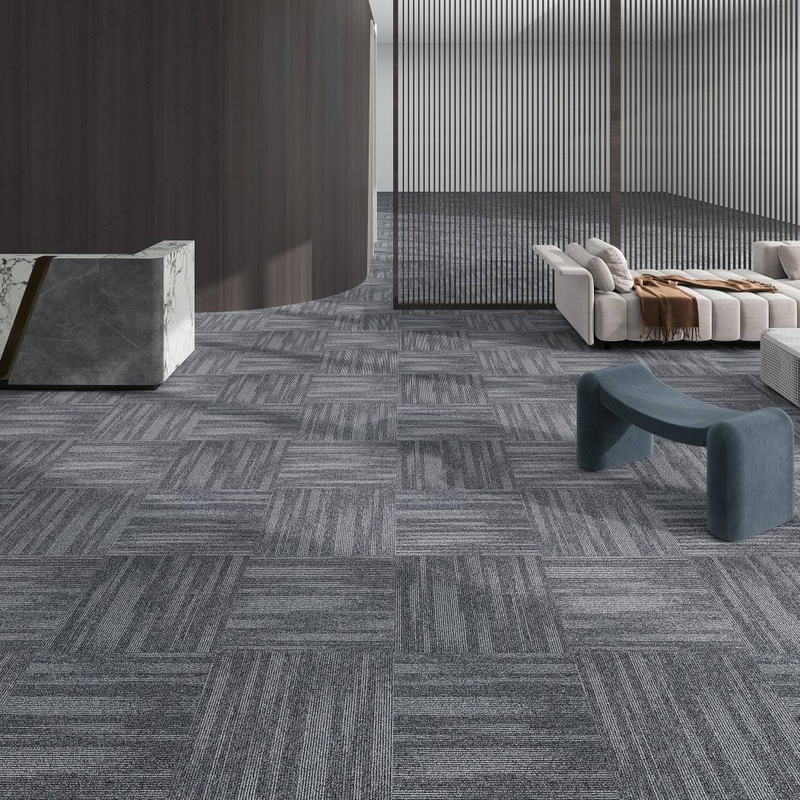
Carpet tiles are known for their exceptional durability and are specifically designed to withstand high-traffic areas. Their modular design means that only damaged tiles need to be replaced, making them a cost-effective long-term solution.
Ceramic tiles are also very durable and resistant to scratches and water damage. However, they are prone to cracking or chipping if a heavy object is dropped on them, often requiring specialized labor and tools for repair.
| Feature | Ceramic Tiles | Carpet Tiles |
| Lifespan in High-Traffic Areas | Long (but prone to chipping/cracking) | Longer (easy individual replacement) |
| Replacement Needed | Specialized repair or tile replacement | Individual tiles replacement |
| Maintenance Costs | Low (easy to clean) | Low (easy individual replacement) |
Ceramic tiles are generally low-maintenance and easy to clean, making them ideal for areas prone to spills or moisture. However, cracked or chipped tiles require specialized removal and replacement.
Carpet tiles are low-maintenance in terms of repair, with individual tiles easily replaced if they get stained or damaged. This reduces long-term repair costs compared to the effort required to repair damaged ceramic flooring.
The primary functional advantages of carpet tiles over ceramic tiles are their unique properties as a soft flooring solution:
Acoustics/Noise Reduction: Carpet tiles are excellent sound absorbers, significantly reducing ambient noise and impact sound (e.g., footsteps). This makes them superior to ceramic tiles, which tend to amplify sound, providing a quieter environment ideal for offices, schools, and apartment buildings.
Insulation/Warmth: Carpet tiles offer insulation and retain warmth, providing a more comfortable, warmer underfoot experience than ceramic tiles, which are naturally cold. This thermal property can also contribute to lower energy costs.
Cost-Effectiveness: While ceramic tiles can be cheaper per piece, the low installation and long-term maintenance costs of carpet tiles often make them the more economical overall choice.
Carpet tiles offer a wide variety of colors, patterns, and textures, allowing for highly customizable looks. You can mix and match tiles to create unique patterns, define zones with different colors, or easily replace worn sections, offering endless design possibilities.
The modular design of carpet tiles allows you to rearrange or replace individual tiles as needed, which makes it easy to refresh the look of a room or create focal points within larger areas without a complete redesign.
While ceramic tiles offer a vast range of finishes and styles, achieving intricate, custom patterns often requires complex cutting and meticulous planning, which significantly adds to the installation cost and time.
Once installed and grouted, the pattern of ceramic tiles cannot be easily changed or updated without a costly and time-consuming removal and reinstallation process.
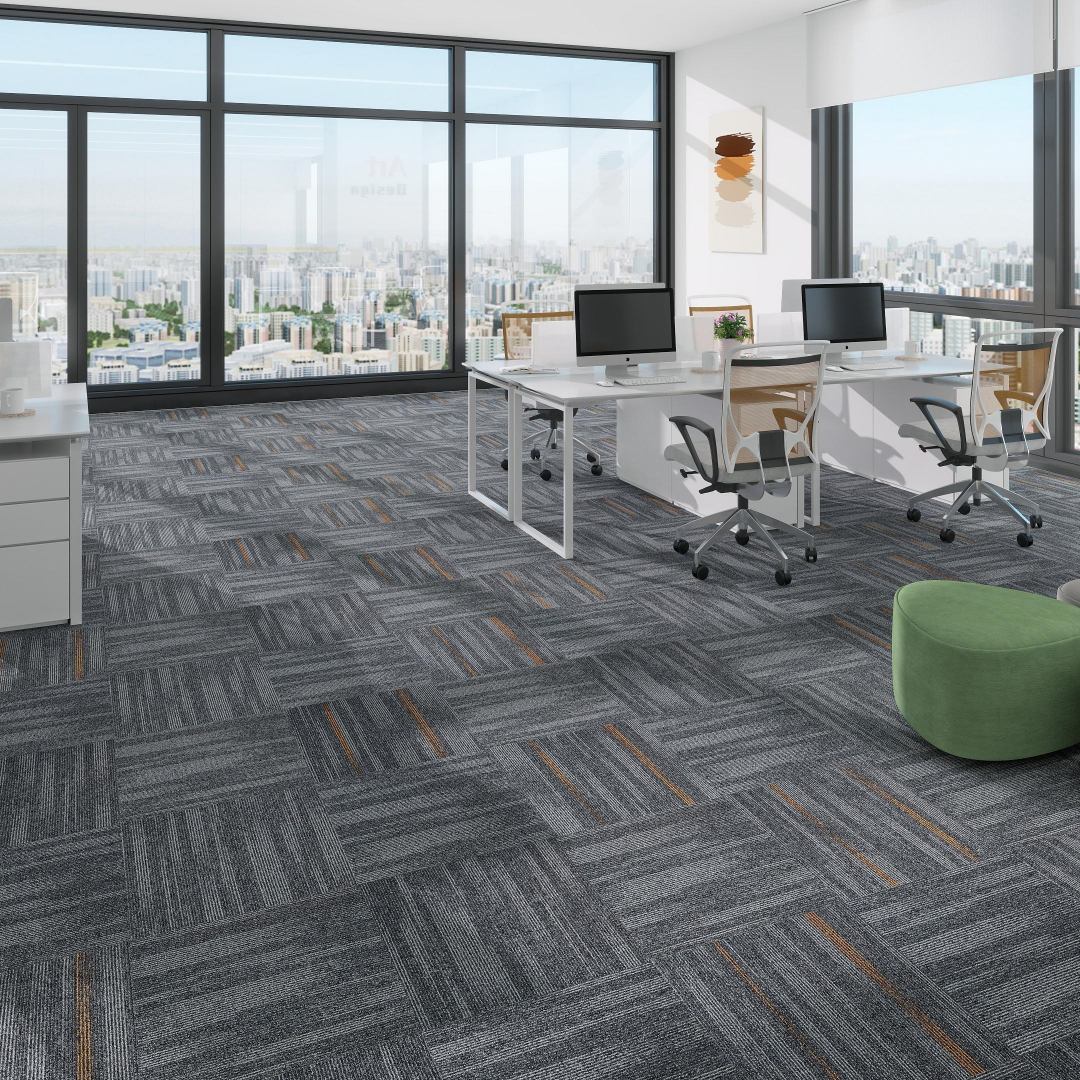
Carpet tiles are particularly advantageous for rooms with irregular shapes or large open spaces. Their modular nature allows them to be cut to fit precisely, minimizing waste and ensuring a perfect fit in any space. This is ideal for offices and commercial fit-outs.
Ceramic tile installation in irregular spaces is more labor-intensive and prone to waste, requiring many small, precise cuts.
In high-traffic areas, carpet tiles are generally the better option due to their durability and ease of individual replacement. Their design allows them to withstand heavy use and maintain their appearance for longer periods, making them ideal for commercial settings.
Ceramic tiles are also durable but can be unforgiving on dropped items and may require more specialized maintenance if chipping occurs. They are an excellent choice for areas requiring water resistance, like bathrooms or kitchens.
Carpet tiles provide a much softer, quieter, and warmer underfoot experience compared to the hard, cold surface of ceramic tiles. This comfort makes them preferable for living areas, offices, and any space where people spend long periods standing or walking.
Ceramic tiles lack cushioning and do not provide warmth, which can be a significant drawback in residential or commercial spaces where comfort and noise reduction are priorities.
Acoustic & Thermal Benefits: Excellent at noise reduction and providing insulation/warmth.
Cost-Effective & Easy Installation: Simple to install, even for DIY, significantly reducing labor costs.
Design Flexibility: Vast array of colors and patterns; easily mixed and matched for unique designs.
Low Long-Term Maintenance: Individual tiles can be easily and cheaply replaced if stained or damaged.
Durability: Robust and designed to withstand heavy foot traffic.
Seam Visibility: Even with proper installation, some seams between the tiles may still be visible, which can affect the overall aesthetic for some high-end residential applications.
Water Resistance: While some are water-resistant, they are not completely waterproof like ceramic tiles, making them less ideal for wet areas.
Waterproof/Highly Water Resistant: Ideal for areas prone to spills, moisture, and high humidity (e.g., kitchens, bathrooms).
Easy to Clean: The hard, sealed surface makes cleaning spills and dirt simple.
High Durability: Very resistant to scratching and wear.
High Installation Costs: Requires professional labor, mortar, and grouting, increasing the upfront cost.
Cold and Hard: Lacks insulation and cushioning; uncomfortable and cold underfoot, especially in colder climates.
Noise Amplification: Tends to amplify ambient noise and impact sounds, making the space louder.
Difficult Repairs: Cracked tiles require specialized removal and replacement.
When comparing carpet tiles and ceramic tiles, the choice hinges on your priorities. Ceramic tiles excel in wet areas where water resistance is paramount. However, for a solution that offers superior acoustic benefits, warmth, comfort, and long-term cost-effectiveness through low maintenance and easy replacement, carpet tiles are the clear winner. They are particularly advantageous for commercial spaces or high-traffic areas where durability and noise reduction are crucial.
LKHY offers high-quality carpet tiles designed for durability, easy maintenance, and excellent acoustic and thermal performance. Their products provide a comfortable, quiet, and stylish flooring solution that is cost-effective over the long term.
Q: Are carpet tiles cheaper than ceramic tiles?
A: Carpet tiles are generally more cost-effective overall. While the material cost can be higher than basic ceramic, the significant savings on installation labor (due to DIY potential) and the low long-term repair costs (due to individual tile replacement) usually make carpet tiles the more economical choice.
Q: What are the main functional advantages of carpet tiles over ceramic tiles?
A: The main advantages are superior noise reduction (insulation), greater warmth and comfort underfoot, and a simpler, less wasteful installation process. Carpet tiles create a much quieter and more comfortable environment than the hard, cold surface of ceramic tiles.
Q: Are carpet tiles suitable for high-traffic areas?
A: Yes, carpet tiles are ideal for high-traffic areas due to their durability and modular design. If a tile gets heavily worn or damaged, it can be replaced individually, making them a practical and cost-effective choice for commercial spaces, offices, and busy residential areas.


